Sign up with Google
 Sign in with Zoho
.webp)
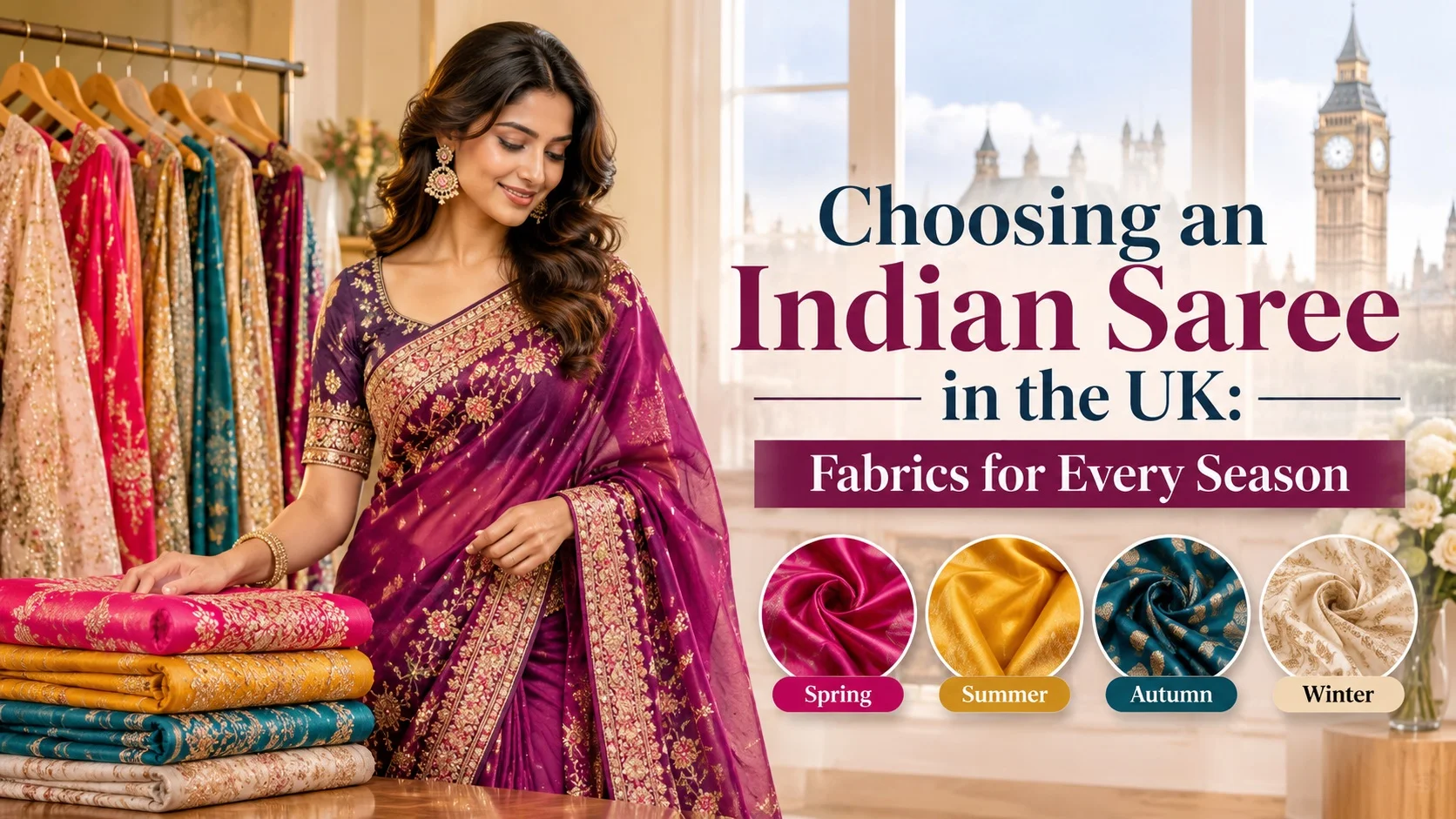
A saree can be an elegant choice for almost any occasion, but the fabric you select can influence how comfortable and confident you feel throughout the day. From lightweight materials for summer celebrations to richly textured fabrics for winter weddings, each option offers a different look and feel.
For Indian and South Asian women living in the UK, choosing a saree involves considering more than personal style. British weather can be unpredictable, with mild afternoons, chilly evenings and occasional changes in temperature throughout the day. An outfit that feels comfortable at an outdoor summer gathering may not be the most practical choice for a winter wedding or an extended evening celebration.
Understanding the characteristics of different saree fabrics can help you make more suitable choices throughout the year. Whether you are attending a family wedding, celebrating a festival, going to a formal event or adding traditional outfits to your everyday wardrobe, the right material can make a difference.
If you are considering an Indian saree in UK, this guide explains which fabrics work well across the seasons and what to consider before choosing your next outfit.
A Seasonal Guide to Choosing Saree Fabrics in the UK
The UK experiences four distinct seasons, although actual temperatures can vary between regions and from one day to another. Your choice of saree should therefore consider the weather forecast, venue and length of the occasion.
Spring: March to May
Spring brings longer days and milder temperatures, but mornings and evenings can still feel cold. During this period, sarees made from lighter fabrics offer a good balance between elegance and comfort.
Georgette, chiffon, organza and Chanderi are suitable options to consider. Georgette creates a soft, flowing silhouette and works well for family gatherings and evening functions. Chiffon offers a delicate drape, while organza provides a more structured appearance that can complement formal daytime outfits.
Chanderi is another option for women who appreciate traditional fabrics with a lightweight feel. Its subtle sheen makes it suitable for festive occasions, daytime celebrations and smaller wedding functions.
Pastel colours such as peach, lilac, mint green, blush pink and powder blue can complement the freshness of spring. Floral patterns, delicate embroidery and understated borders can add detail without making the outfit feel too elaborate.
If you are attending an outdoor celebration, remember that temperatures may fall later in the day. Pairing your saree with a light shawl or a coordinated jacket can make the outfit more practical.
Summer: June to August
Summer is generally the warmest period in the UK, making breathable fabrics a sensible choice for daytime occasions. Garden parties, outdoor weddings, family picnics and cultural gatherings may involve spending several hours outside, so comfort should be a priority.
Cotton and linen sarees are worth considering because of their breathable qualities. Cotton offers a soft, familiar texture, while linen has a slightly more structured finish. Both can create elegant outfits without relying on heavy embellishments.
Women looking for something more formal can consider lightweight georgette, chiffon or cotton-silk blends. These materials can provide a graceful appearance for evening parties and celebrations while offering different draping styles.
Summer outfits often work well in lighter shades, including ivory, sky blue, lemon yellow, coral, soft green and peach. Printed sarees and minimal decorative details can also create an attractive daytime look.
Do not overlook the blouse and underskirt when choosing a summer outfit. Heavy lining or thick synthetic materials can affect overall comfort, even when the saree itself is lightweight. Selecting suitable materials for the complete outfit can help you enjoy longer events.
Autumn: September to November
Autumn brings cooler temperatures and a busy calendar of cultural and family celebrations. With occasions such as Diwali, Navratri and pre-wedding functions, it is a suitable time to consider richer colours and more detailed saree designs.
Tussar silk, Chanderi, silk blends and medium-weight georgette are useful options for this season. Tussar silk offers a distinctive texture, while Chanderi provides a lighter alternative for festive dressing. Silk blends can create a traditional appearance without always feeling as substantial as heavier silk fabrics.
Colour choices can also reflect the autumn season. Deep red, wine, mustard, rust, emerald green, bronze and maroon are attractive options for festive occasions. A silk saree with a decorative border can work well for traditional celebrations, while embellished georgette may suit women who prefer contemporary styling.
Consider the type of event before choosing a heavily embroidered outfit. A formal indoor celebration may call for a more elaborate design, whereas a family gathering involving travel and outdoor activities may be more comfortable in a lighter fabric.
Winter: December to February
Winter in the UK requires additional attention to warmth, particularly when travelling to and from evening functions. Traditional silk sarees and heavier fabrics can be suitable for formal celebrations, but thoughtful layering is equally important.
Banarasi silk, brocade and heavier silk blends are popular options for winter wedding styling. Their detailed patterns, decorative borders and rich textures create a classic appearance for receptions and formal family occasions.
For additional warmth, consider pairing your saree with a velvet blouse, coordinated jacket or elegant shawl. These layers can complement the outfit while helping you stay comfortable outdoors.
Winter colours such as burgundy, plum, navy, emerald, deep purple and gold can create a sophisticated appearance. A richly detailed saree with traditional jewellery is suitable for a formal celebration, while a simpler silk design paired with a statement blouse can offer a more contemporary look.
One important consideration is the difference between outdoor temperatures and heated indoor venues. A heavy outfit may feel comfortable outside but become warm inside a reception hall. Removable layers can make it easier to adjust your clothing throughout the event.
Popular Saree Materials and What Makes Them Different
Seasonal recommendations provide a useful starting point, but understanding the actual fabric can help you choose more confidently.
Cotton and linen are often preferred for casual occasions and warmer weather. Cotton has a soft texture, while linen offers a more structured appearance. Both can crease during wear, so they may need careful ironing and storage.
Silk and Banarasi silk are associated with traditional celebrations and formal dressing. Their rich appearance makes them suitable for weddings, religious functions and important family occasions. However, silk sarees can vary considerably in weight, texture and care requirements depending on their weave and embellishments.
Georgette and chiffon are popular for their flowing drape. Georgette generally has more texture, whereas chiffon is finer and more delicate. Both can work well for parties, receptions and evening events. Their transparency and lining requirements should be checked before purchasing.
Organza and Chanderi offer different approaches to lightweight festive dressing. Organza has a crisp finish that helps it retain its shape, while Chanderi is known for its delicate appearance and subtle sheen. These fabrics can be suitable for daytime weddings and cultural celebrations.
Remember that fabric names alone do not determine comfort. Fibre composition, weave, lining, embellishments and construction can all affect how a saree feels when worn.
Selecting the Right Saree for Different Occasions
The occasion should influence your fabric choice just as much as the season. A saree for a wedding reception may require a different level of detailing and structure compared with an outfit for everyday ethnic wear.
For weddings, Banarasi silk, Tussar silk and embellished georgette can create elegant looks. Festive celebrations may suit Chanderi, organza and silk blends, particularly when paired with traditional jewellery. For family gatherings, chiffon and lightweight georgette offer versatile styling possibilities.
Cotton and cotton-silk sarees can be suitable for religious functions and daytime occasions where comfort is important. Evening parties may call for more decorative fabrics, such as embellished chiffon, organza or silk blends.
Think about how long you will be wearing the saree and whether the event involves dancing, travelling or spending time outdoors. A manageable fabric weight, comfortable blouse and secure pleating can make a long celebration easier to enjoy.
Important Things to Consider When Buying a Saree Online in the UK
Shopping for an Indian saree online UK collection makes it easier to compare different designs without visiting several stores. However, it is important to check product details carefully because photographs may not always communicate the actual texture, weight or finish.
Start with the fabric composition. Check whether the saree is made from cotton, silk, georgette, chiffon, organza or a blended material. If the description mentions a blend, review the available composition details rather than assuming it behaves like a pure-fibre fabric.
Next, look at the product images and available measurements. Close-up photographs can help you assess embroidery, borders, prints and decorative finishes. Information about the saree length, width and transparency can also help you understand how it may drape.
Blouse details deserve equal attention. Check whether a blouse piece is included, whether it is stitched or unstitched and whether the available measurements suit your requirements.
Before ordering, review the care instructions and delivery information. Some fabrics need delicate handling or specialist cleaning, particularly when they include intricate embellishments. It is also sensible to understand the retailer's return and exchange conditions before completing your purchase.
These checks are particularly useful when ordering an outfit for an important event with a fixed date.
Finding Traditional and Contemporary Saree Styles with Sonas Couture
Saree styling continues to combine traditional designs with contemporary preferences. Some women prefer classic silk fabrics and detailed borders, while others choose lighter materials, modern colour combinations and understated embellishments.
When considering different styles, think about how the fabric, blouse and accessories work together. A simple saree can look elegant with a detailed blouse, while a heavily embellished design may need minimal jewellery to maintain a balanced appearance.
Sonas Couture is a name to consider when looking at saree styling for weddings, festivals and other special occasions. Comparing fabric details, design elements and outfit requirements can help you select a style that reflects your preferences and suits the event.
Final Thoughts
The right saree can make any occasion feel special, but selecting a suitable fabric is essential for comfort and appearance. Lightweight cotton and linen are useful for warmer months, while georgette, chiffon and organza provide versatile options for different celebrations. Silk, Banarasi and brocade can create a traditional look for formal occasions and winter weddings.
UK weather can vary considerably depending on the region, date and venue, so it is always worth considering the forecast rather than relying entirely on seasonal expectations. Think about the event, how long you will wear the outfit and whether you need additional layers.
Whether you are choosing an outfit for a wedding, festival or family gathering, a well-selected Indian saree in the UK can bring together traditional elegance, personal style and practical comfort. Taking time to understand different fabrics will help you make choices that suit your wardrobe throughout the year.