Sign up with Google
 Sign in with Zoho
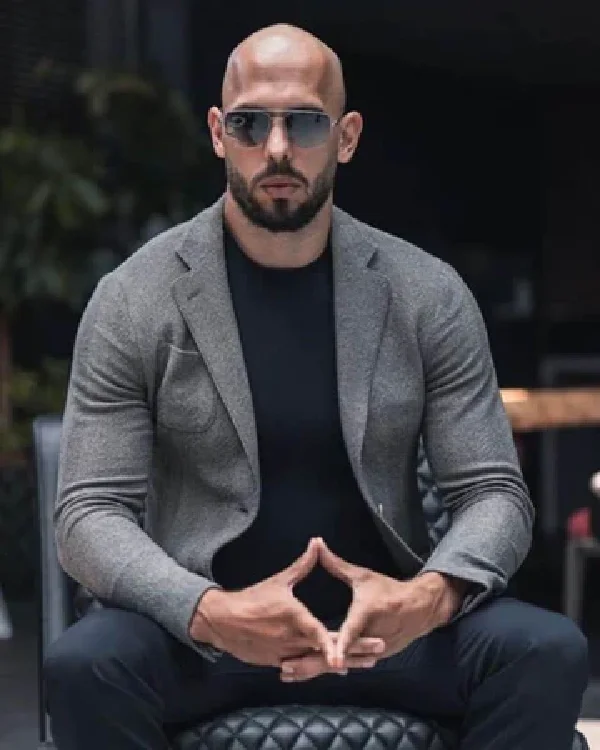
Why This Style Took Over Everyone’s Feed
Fashion virality usually needs three things: repetition, contrast, and a face people can’t look away from. The Andrew Tate outfit had all three.
The repetition came from volume. Thousands of clips, all featuring the same handful of style signatures — double-breasted blazers, leather outerwear, the occasional fur — meant the eye started recognizing the look before it recognized the man.
The contrast came from setting. Supercars and marble floors made a blazer look like armor instead of office wear.
And the face — well, love him or not, cameras don’t lie about charisma. People remember silhouettes attached to strong personalities far more than silhouettes attached to mannequins.
Add algorithmic feeds that reward anything with a strong visual hook, and you get a style moment that outran any single influencer’s control of it.
The Rise of Andrew Tate Outfits as a Genre
Somewhere along the way, “Andrew Tate outfits” stopped meaning his outfits and started meaning a category. Search that phrase today and you’ll find style breakdowns, dupe hunts, and “get the look” threads that have nothing to do with him personally and everything to do with an aesthetic he happened to popularize.
That aesthetic has a name now, even if nobody agreed on it: old-money villain energy. Tailored, dark, a little theatrical, unmistakably confident.
It’s not subtle. It was never meant to be.
The Jacket Styles Fans Keep Coming Back For
Ask anyone chasing this look which pieces matter most, and the answers repeat themselves fast.
- The structured blazer — usually double-breasted, always sharp at the shoulder
- The leather jacket — moto-cut or long-line, worn like a second skin
- The python jacket — exotic print, unapologetic, built for a room where subtlety isn’t the goal
- The fur or mink coat — reserved for the moments where restraint isn’t the point
- The robe — the off-duty flex, worn like a smoking jacket at home
Each piece does something different. The blazer says I’m in control of this room. The leather says I don’t need permission. The fur says I already won. That emotional shorthand — more than the stitching — is why people keep hunting for these silhouettes.
How to Style a Jacket Inspired by This Look — Without Overdoing It
Here’s the honest truth: the outfit only works if you understand why it works, not just what it looks like.
Start with fit, not flash. A blazer that’s slightly structured through the shoulder and tapered at the waist reads as intentional. A blazer that’s simply oversized reads as borrowed.
Let the jacket carry the outfit. Keep the rest simple — a plain tee or a fitted turtleneck underneath, dark trousers, minimal jewelry. The jacket should be the loudest thing in the room, not one of five loud things.
Pick one statement piece per outfit. Fur coat or bold jewelry or a python print — never all three at once. The trend reads as confidence when it’s edited. It reads as costume when it’s not.
Footwear grounds the whole look. Leather boots or clean minimal sneakers keep it modern instead of theatrical.
Color discipline matters more than people think. Black, charcoal, deep espresso, and the occasional white suit for contrast — that’s the palette doing most of the heavy lifting here.
At Jacket Craze, this is the exact conversation that comes up most with shoppers browsing structured jackets and outerwear — people don’t want the costume version, they want the wearable version that still hits the same note.
Oversized vs. Fitted: Which One Actually Works
This is where most people get it wrong.
Oversized works for casual, off-duty moments — a leather jacket thrown over a hoodie, a robe worn at home, something that feels lived-in rather than performative.
Fitted is where the real power move lives. A blazer or suit tailored close to the body reads as deliberate, expensive, and controlled — the same quality that made the original look so magnetic on camera in the first place.
If you’re only building one piece into your wardrobe, go fitted. It photographs better, it wears better, and it ages better once the trend cycle moves on.
Best Colors and Materials for This Aesthetic
Material choice is doing more work here than most people realize.
- Leather — for edge and durability
- Wool-blend tailoring — for the blazer and suit pieces, structured but breathable
- Exotic prints (python, croc-embossed) — used sparingly, as a single statement piece
- Faux fur or shearling — for the cold-weather, high-drama moments
- Silk or satin — reserved for robes and evening pieces
Color-wise, the palette stays deliberately narrow: black, deep browns, charcoal, and the occasional crisp white suit as a contrast move. Bright colors rarely show up in this aesthetic — the whole point is control, not noise.
Why This Look Is Still Dominating in 2026
Trend cycles usually burn fast and die faster. This one hasn’t, and there’s a reason.
Menswear had spent years drifting toward softer silhouettes — oversized fits, relaxed tailoring, quiet luxury that whispered instead of spoke. This aesthetic did the opposite. It gave men a version of power dressing that felt cinematic instead of corporate, and that gap in the market was wide open.
Add a generation raised on short-form video, where a strong silhouette gets more engagement in three seconds than a paragraph of styling advice ever could, and you have a trend built for exactly this era of fashion consumption.
It’s not going anywhere in 2026 because the underlying want — looking undeniably in control — never really goes out of style. Only the packaging changes.
Final Word
Whatever anyone thinks about the man who made this look famous, the clothes themselves have taken on a life of their own. A sharp blazer, a leather jacket with real weight to it, a coat that makes an entrance before you say a word — that’s not a personality trait, that’s just good tailoring doing its job.
If you’re building toward this aesthetic and want pieces that hold up outside of a fifteen-second clip, Jacket Craze’s blazer and outerwear edit is a good place to start looking — structured, wearable, and built for more than one trend cycle.
FAQs
1. What defines the Andrew Tate outfit aesthetic? Structured blazers, leather or exotic-print jackets, and statement outerwear like fur or mink coats, typically styled in a dark, controlled color palette.
2. Is the Andrew Tate style trend only for luxury brands? No. The silhouette matters more than the label — a well-fitted blazer or leather jacket from an accessible brand can capture the same effect.
3. How do I wear this trend without it looking like a costume? Stick to one statement piece per outfit, keep the rest of the look minimal, and prioritize fit over flash.