Sign up with Google
 Sign in with Zoho

Essential Tips for Designing a Book Cover That Sells
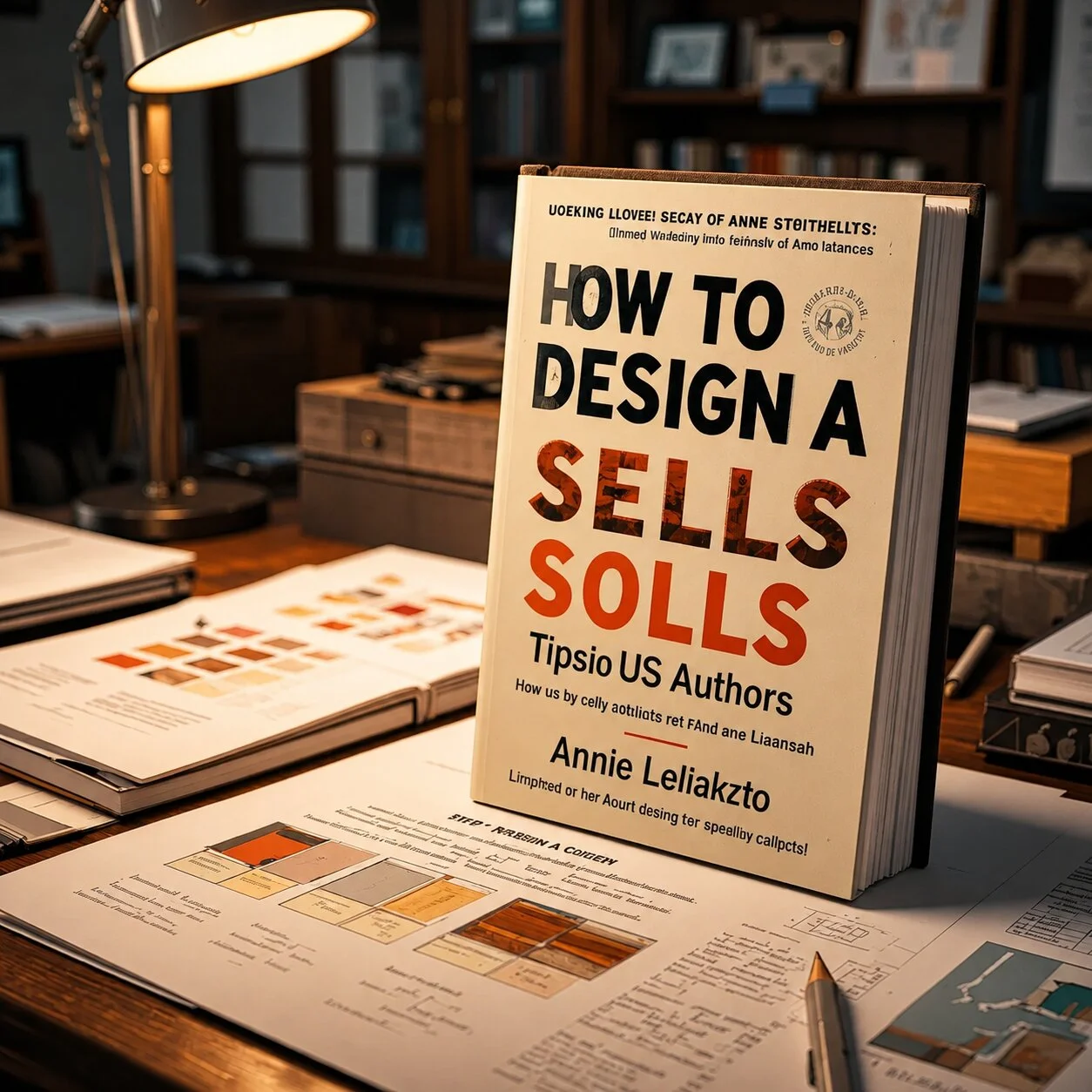
The right book cover design tips can be the difference between a reader clicking "Look Inside" and scrolling straight past your book. This guide is for first-time authors, fiction and non-fiction writers, and entrepreneurs publishing a book in the US market, and it matters because your cover works as a full-time salesperson — readers judge it in about a second, long before they read a single word. Below, Publisher Universe breaks down what actually makes a cover sell in 2026, genre by genre.
Quick Summary
- Your cover has about one second to earn a second look — design for that moment
- Typography carries more visual weight than most authors realize
- Match your genre's visual conventions before trying to stand out
- Test legibility at Amazon thumbnail size, not just full screen
- Custom design outperforms pre-made templates for most serious projects
- Budget for your cover as a marketing asset, not a one-time expense
- A cover redesign is one of the most cost-effective ways to boost underperforming sales
Why Cover Design Matters So Much
Readers can't sample your prose from a search results page — the cover is genuinely all they have to judge by in that first moment. Research on reader behavior consistently shows a large share of buying decisions are made on cover impression alone, and just as many readers actively skip books with a cover that looks amateur or dated. A polished cover signals a polished book; a rushed one signals the opposite, whether or not that's fair.
Who This Guide Is For
This guide is for first-time authors choosing their first cover, self-publishing writers unsure whether to DIY or hire a designer, and entrepreneurs or coaches publishing a book to build professional authority. If your book is finished or nearly finished and you're now facing the cover decision, this is written for you.
How Cover Design Actually Works as a Sales Tool
A book cover functions on two levels at once: as a piece of art and as a piece of marketing. On Amazon and most retail platforms, your cover first appears as a small thumbnail, meaning legibility and instant genre recognition matter more than intricate detail. A reader's eye typically moves in a set path — image first, then title, then author name — so an effective cover gives that path a single, clear direction rather than competing focal points.
Step-by-Step: Designing a Cover That Sells
1. Research Your Genre's Visual Language
Every genre has visual conventions readers have been trained to recognize — dark, high-contrast covers for thrillers, bold color blocking for business and self-help, illustrated or collage styles for fantasy and YA. Study best-selling covers in your specific genre before starting design work.
2. Limit Your Typography
Stick to two fonts maximum — one for your title, one for your subtitle and author name. Typography carries a large share of a cover's overall impact, and inconsistent or excessive fonts read as amateur even with strong imagery.
3. Design for the One-Second Test
Ask what a reader notices first when glancing at your cover for one second. If the answer isn't immediately clear, simplify. A cluttered cover with too many competing elements is memorable for the wrong reasons.
4. Test at Thumbnail Size
Shrink your cover to roughly 100 by 150 pixels — the size it will actually appear at in search results. If your title isn't legible at that size, increase the font size, shorten the title treatment, or simplify the design.
5. Choose Custom Design Over Templates for Serious Projects
Pre-made templates are fast and inexpensive but generic by design, and near-identical versions may already be in use by other authors. Custom design costs more but builds a cover around your specific story, genre, and series needs.
6. Plan for Series Consistency
If you're writing a series, consistent branded covers across titles are one of the strongest sales levers in self-publishing — plan your cover strategy across the whole series, not just book one.
7. Get Outside Feedback Before Finalizing
Show your cover to readers in your target genre, not just friends and family, and ask what genre they'd guess it belongs to before you tell them.
Benefits of Investing in Professional Cover Design
- Signals a professionally produced book, increasing reader trust before they open it
- Improves click-through and conversion at the thumbnail stage
- Communicates genre instantly, attracting the right readers
- Functions as ongoing, 24/7 marketing for the life of the book
- Supports series branding and long-term catalog consistency
Challenges Authors Face
- DIY design tools make it easy to produce a cover that looks noticeably homemade
- Genre conventions shift over time, so a cover styled to an older trend can read as dated
- Balancing originality with genre expectations is a real design challenge
- Series consistency requires planning multiple covers together, not one at a time
Custom Cover Design vs. Pre-Made Templates
Pros & Cons of DIY Cover Design
Pros: Lowest possible cost, full creative control, fast to produce. Cons: Readers reliably spot a rushed DIY cover, and design software fluency has a real learning curve most authors don't have time for.
Cost Considerations
Cover design costs vary by approach: pre-made templates typically run $50–$150, while custom designs commonly range from $300 to $1,500 or more depending on genre complexity, illustration needs, and revision rounds. For a book you're actively marketing, most authors recoup a custom cover's cost quickly — often within roughly a hundred additional sales spread across the book's lifetime — through improved click-through rates alone.
A Realistic Timeline
Pre-made or template covers can be ready within days, while custom cover design typically takes two to four weeks, including concept development, revisions, and final file preparation for print and digital formats. Build cover design into your overall publishing timeline early, since it typically happens alongside or shortly after editing rather than at the very end.
Professional Tips and Best Practices
- Hire a designer if design isn't your skill set — readers notice a rushed Canva job quickly, even if they can't say exactly why.
- Treat your cover budget the way traditional publishers do: as a serious marketing investment, not an afterthought.
- If sales underperform on a book with strong reviews, consider a cover redesign before assuming the writing is the problem.
- Keep your front cover to three essential elements: title, author name, and one strong visual idea.
Common Mistakes to Avoid
- Designing a cover that doesn't match genre expectations
- Using more than two fonts or decorative fonts that shrink poorly
- Choosing a cover based on personal taste rather than target reader response
- Skipping the thumbnail legibility test before finalizing
- Treating cover design as a one-time task instead of an asset worth revisiting if sales lag
Expert Recommendations
Analysis of best-selling covers across major retailers consistently points to the same fundamentals: strong genre signaling, legible typography at small sizes, and a single clear focal point outperform cluttered or trend-chasing designs. Publishing industry professionals also widely recommend that authors budget for professional book cover design the same way they budget for editing — as a core production cost, not an optional add-on.
Frequently Asked Questions
What makes a book cover actually sell?
A combination of genre-appropriate visual language, clear and legible typography, and a single strong focal point that reads clearly even at thumbnail size.
Should I design my own book cover or hire a professional?
If design isn't your background, hiring a professional is strongly recommended — readers can typically spot a DIY cover, and it directly affects click-through and trust.
How much does professional book cover design cost?
Pre-made templates typically run $50–$150, while custom cover design commonly ranges from $300 to $1,500 or more depending on genre and complexity.
How long does book cover design take?
Template covers can be ready within days; custom designs typically take two to four weeks including revisions.
Does my book cover need to match genre conventions?
Yes. Readers are trained to recognize genre through visual cues, and a cover that doesn't match those expectations can confuse or lose potential readers, even if the art is well executed.
Can a cover redesign improve sales on an already-published book?
Yes. Many authors see a meaningful increase in click-through rate, and sometimes sales, after redesigning an underperforming cover — it's one of the most cost-effective relaunch strategies available.
What size should I design my book cover for?
Design for both full-size print or digital display and thumbnail size (roughly 100x150 pixels), since that's how most readers will first encounter it on retail platforms.
Conclusion
A book cover that sells isn't about personal taste — it's about genre signaling, legibility, and a clear focal point that works in the one second a reader actually gives it. Applying these book cover design tips before you finalize your design can meaningfully change how your book performs once it's live. If you'd like a designer who understands your genre to build your cover from the ground up, contact Publisher Universe — we're happy to talk through your project with no pressure attached.