Sign up with Google
 Sign in with Zoho

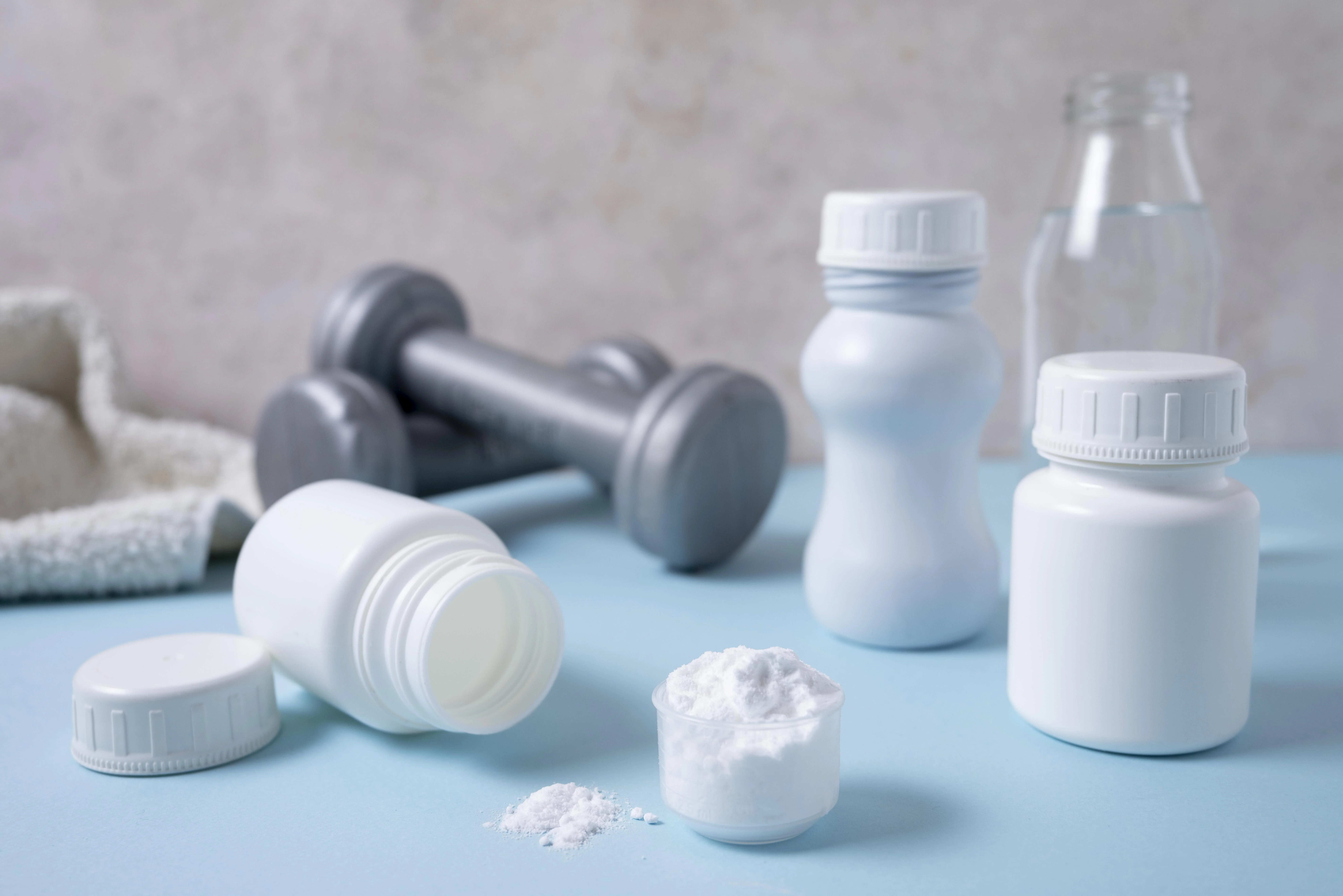
Walk into any supplement store, and you'll see a wall of tubs promising bigger lifts, faster recovery, better results. Most of it is just noise.
Here's the truth: the best creatine monohydrate isn't the one with the boldest label or the highest price tag. It's micronized, third-party tested, and comes from a brand that tells you where it's sourced; no hidden trick, no secret formula. Here's what to check before you spend your money.
Why Monohydrate Beats the Newer Types
You'll see other types too, like creatine HCL, buffered creatine, and nitrate, sold as "upgrades." They're not.
Monohydrate has 30+ years of research behind it. It's cheap, stable, and still wins in strength studies against every newer alternative, proven in real labs, not just company ads.
The newer forms usually make one claim: less bloating or faster absorption. That claim doesn't hold up once you check real trial data. This is why most best creatine monohydrate brands stick with the plain formula instead of chasing trends.
Want a deeper comparison? The result is always the same: monohydrate is the benchmark.
What "Micronized" Really Means
It just means smaller particles. Same creatine, ground finer, so it dissolves in water instead of sitting at the bottom like sand.
It won't change your results, but it makes the daily habit easier; and daily habits are what make creatine work over time.
People often search for "micronized creatine vs. creatine monohydrate" as if they're two different things. They're not. Micronized is just a finer version, with the same absorption and results, just an easier mix.
One Label Detail That Actually Matters
Skip the flavor talk for a second. Here's what matters first.
Look for a recognized purity certification. This is a manufacturing standard that checks for bad contaminants sometimes found in cheap creatine. If a label skips this kind of certification, that's worth noticing.
Tested athletes should treat a sport-specific testing certification as a must. Everyone else should prefer it too, especially when the price gap is small. This detail often separates the best creatine monohydrate brands from the ones cutting corners.
Reading a Label in 10 Seconds
A good label is boring, and that's the point. Look for:
- One ingredient: creatine monohydrate, nothing else
- 3-5 grams per serving, clearly stated
- A recognized purity or testing certification
- No "proprietary blend" hiding the real dose
If a brand won't share the dose, move on.
How Much to Take
3 to 5 grams a day. That's the whole plan.
You don't need a loading phase, unless you want faster results for something specific, like a contest. You don't need to cycle off either.
Timing matters less than people think. Morning, after a workout, or with dinner; pick one and stick to it.
Who Actually Benefits from It
Creatine isn't just for bodybuilders. Anyone lifting weights, sprinting, or doing intense sport can benefit.
- Vegetarians and vegans often see bigger gains, since their diets carry less natural creatine than meat-eaters'. Older adults benefit too; it's linked to better muscle and strength as we age.
- This is where people search for the best creatine for women over 40. Estrogen levels drop during this stage, and muscle and bone naturally decline more quickly. Creatine helps slow that loss, especially with strength training; one of the few supplements with real proof here, not just marketing talk.
- Creatine for teenagers is a different topic needing more care. Research on teens is limited, so don't start without first asking a doctor, especially for younger teens who are still growing. Older teen athletes can often use the same dose, but only with medical guidance.
Three Myths People Still Believe
"It damages your kidneys." This came from people who already had kidney disease, not healthy adults. Long studies on healthy people show no harm at normal doses.
"It causes bloating." Some water moves into your muscle cells; part of how it works, not the same as looking puffy. It settles within two weeks.
"Pricier means purer." Not always. That price often pays for packaging and ads, not testing. A plain tub often beats a fancy one full of extras you didn't ask for.
How to Actually Pick One
Follow this order:
- Skip hidden or blended doses
- Check for a recognized purity or testing certification
- Confirm 3-5 grams per serving
- Compare price last
Reputation and packaging come last. A small brand with real testing beats a big name with vague labels; exactly how the best creatine monohydrate brands earn repeat buyers, not just one-time sales.
Bottom Line
The best creatine monohydrate isn't the loudest one on the shelf. It's pure, tested, and dosed right; 3 to 5 grams a day, taken consistently, from a brand that shows its work. Everything else is just noise.
FAQs
Does creatine work without exercise?
Not much; it fuels muscle effort, so sitting on the couch won't trigger results.
Can you mix it with coffee or juice?
Yes, in any liquid, hot or cold. Caffeine or acidity doesn't affect it.
Is there a real difference between micronized creatine vs creatine monohydrate?
No. Micronized is just monohydrate ground into finer particles; it mixes more smoothly, but the results stay the same.
What's the best creatine for women over 40 in terms of dose?
The same 3 to 5 grams that works for everyone. Age doesn't change the dose, just the reason it's worth taking.
Is creatine for teenagers safe to try?
It can be for older teen athletes, but only with a doctor's input first, since research is still limited for younger age groups.