Sign up with Google
 Sign in with Zoho
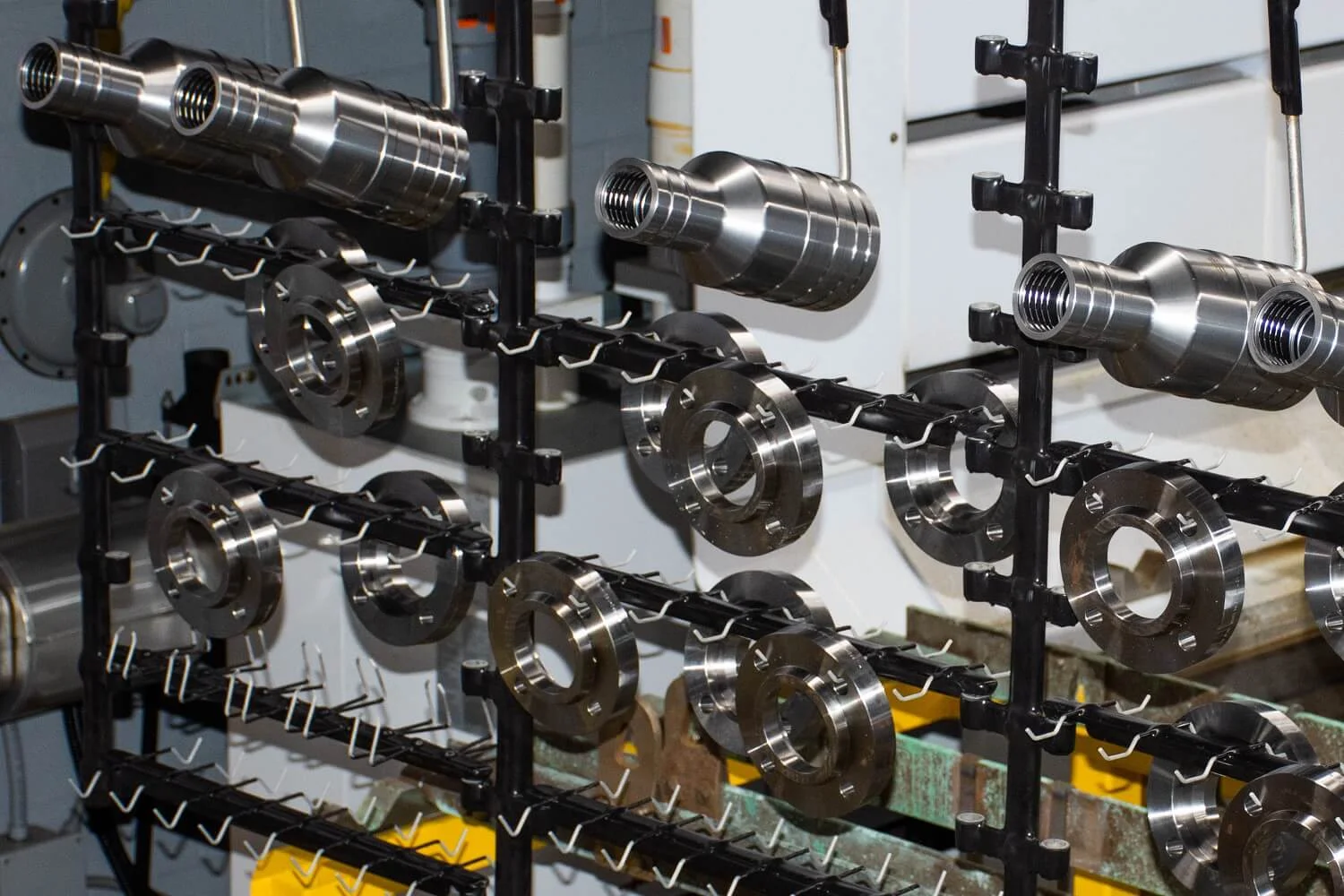
Metal finishing plays a crucial role in protecting industrial components from corrosion, wear, and environmental damage. Among the various finishing methods, zinc plating is widely used to improve the durability and performance of metal parts. However, achieving a reliable zinc coating requires more than just the plating process itself.
Effective pretreatment solutions for metal finishing help prepare metal surfaces for coating, ensuring better adhesion, uniform coverage, and long-lasting protection. Whether working with automotive components, industrial machinery, or precision-engineered parts, proper surface preparation is essential for consistent plating quality.
Understanding Pretreatment in Metal Finishing
Pretreatment refers to the cleaning and preparation of metal surfaces before applying a protective coating. During manufacturing, metal components often accumulate oil, grease, dust, rust, and other contaminants that can interfere with plating.
Without proper pretreatment, these impurities may cause poor adhesion, uneven deposits, or premature coating failure.
Professional pretreatment solutions for metal finishing remove surface contaminants and prepare the metal for subsequent processing. This helps manufacturers achieve consistent finishing results while reducing the risk of defects.
Key Pretreatment Processes Used Before Zinc Plating
Several preparation methods are commonly used to improve the effectiveness of zinc plating.
1. Degreasing and Cleaning
Metal components frequently contain machining oils, lubricants, and grease. Alkaline cleaning or suitable degreasing agents remove these contaminants, allowing the plating solution to contact the metal surface effectively.
2. Acid Pickling
Acid pickling helps remove rust, oxidation, and scale from metal surfaces. This process exposes a cleaner substrate and prepares it for further treatment. Appropriate process controls are important to prevent excessive metal attack.
3. Electrocleaning
Electrocleaning uses an electrical current in a cleaning solution to remove residual contaminants. It is particularly useful when components require a high level of surface cleanliness before electroplating.
4. Surface Activation
Surface activation removes light oxide films and prepares the substrate immediately before plating. Proper activation helps improve coating adhesion and supports consistent zinc deposition.
How Pretreatment Improves Zinc Plating Quality
The effectiveness of zinc plating depends significantly on the condition of the underlying metal surface. Proper pretreatment offers several advantages.
- Improved coating adhesion: Clean, activated surfaces allow zinc deposits to bond more reliably with the substrate.
- Better corrosion protection: A properly applied zinc coating helps protect steel components from corrosion, particularly when combined with suitable post-plating treatments.
- Uniform coating quality: Effective cleaning minimizes contamination-related defects and supports consistent plating results.
- Reduced rework: Proper preparation lowers the likelihood of peeling, blistering, and other coating failures.
- Longer component service life: Reliable surface preparation contributes to durable protective finishes.
These benefits make pretreatment an important part of industrial metal finishing operations.
Choosing the Right Zinc Plating Company
Selecting an experienced zinc plating company is important for manufacturers seeking consistent quality and dependable surface protection.
A reliable service provider should understand the relationship between substrate preparation, plating chemistry, coating thickness, and corrosion resistance.
When evaluating a zinc plating partner, manufacturers should consider process control, quality inspection procedures, material compatibility, and the ability to meet application-specific requirements.
Companies that prioritize surface preparation can help reduce coating defects and improve the consistency of finished components.
The Importance of Professional Metal Finishing Services
Industrial applications require metal coatings that perform reliably under different operating conditions. Automotive fasteners, construction hardware, electrical components, and machinery parts may all benefit from properly controlled zinc plating.
Professional metal finishing providers, such as Peregrine Metal Finishing, understand the importance of integrating suitable surface preparation with finishing processes.
Choosing the right finishing partner helps manufacturers achieve dependable coating performance while maintaining product quality.
Conclusion
High-quality zinc plating begins with effective surface preparation. From degreasing and pickling to electrocleaning and activation, each pretreatment stage contributes to coating adhesion, uniformity, and durability.
By investing in appropriate pretreatment solutions for metal finishing and working with a knowledgeable zinc plating company, manufacturers can improve corrosion protection, minimize defects, and extend the useful life of metal components.