Sign up with Google
 Sign in with Zoho
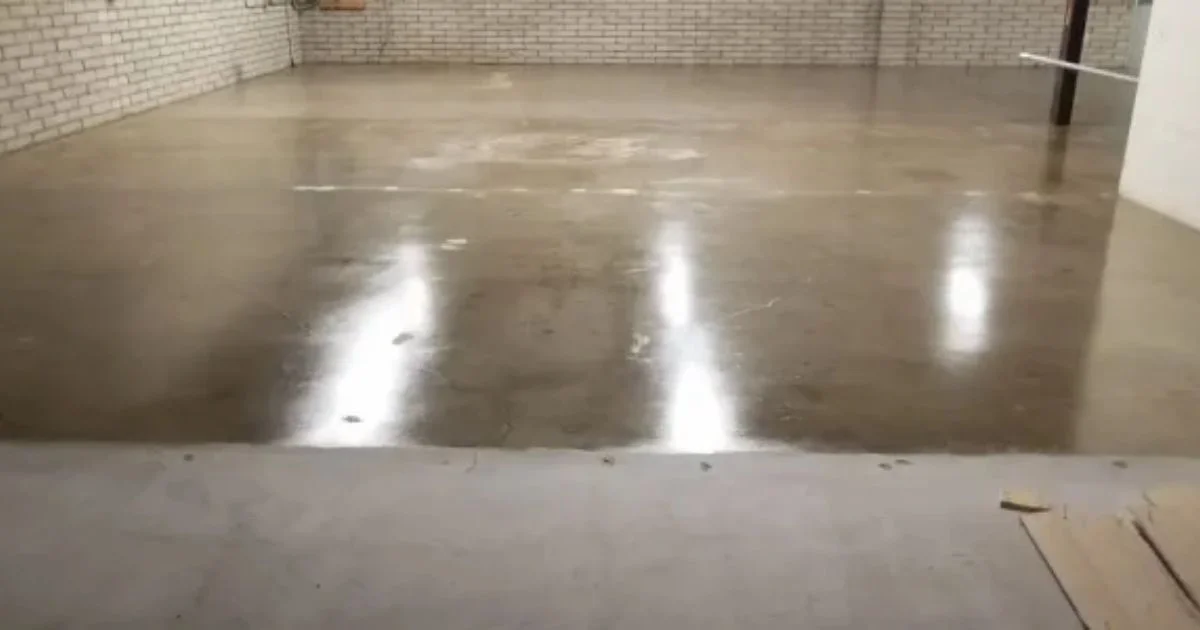
Epoxy flooring coating is ideal for Buckeye garages, workshops, warehouses, commercial facilities, showrooms and other concrete floors requiring durability, stain resistance, improved maintenance and a finished look. The system that is used is determined by the traffic, moisture, chemicals, heat exposure, and use of the floor.
The hot and dry climate of Buckeye can add to the stress on concrete and floor coatings. Hot tires, heavy treaded areas, dust, stains and temperature fluctuations are conditions that can be found in garages and commercial floors where it's important to get the right surface preparation and coating.
What Is Epoxy Flooring Coating?
Epoxy flooring coating is a resin-based floor coating system applied to properly prepared concrete. The resin and hardener combine to form a hard, bonded surface which may protect the concrete from normal usage.
A properly installed epoxy system will offer a flawless finish that will be stain, abrasion and many common chemical resistant, unlike regular floor paint. The various systems can also be made to look decorative, slip resistant, suitable for traffic, and for particular working environments.
What Are the Best Applications for Epoxy Flooring Coating in Buckeye?
While an epoxy floor can be installed in a wide variety of homes, commercial and industrial buildings, there are specific applications that are especially suited to the properties of an epoxy floor.
1. Residential Garages
Residential garages are one of the most common applications for epoxy flooring coating.
Garage floors regularly deal with:
- Hot vehicle tires
- Oil and grease
- Dirt and dust
- Vehicle fluids
- Foot traffic
- Dropped tools
- Tire marks
- General abrasion
An epoxy coating can create a smoother, easier-to-clean surface while giving the garage a more finished appearance. In Buckeye, however, the coating system should be selected with local heat, UV exposure, and hot-tire conditions in mind.
2. Home Workshops
Epoxy flooring is also ideal for use in the home workshop where concrete surfaces are used by tools, equipment, spills and traffic.
Once the coating is installed correctly, it can simplify the maintenance process and aid in the prevention of common contaminants that are likely to be present in a workshop.
For workshops, consider:
- Chemical resistance
- Impact resistance
- Slip resistance
- Ease of cleaning
- The type of equipment being used
The best system should match the actual working conditions rather than being selected only for its appearance.
3. Auto Shops and Service Areas
Epoxy flooring products can be useful in automotive spaces, as the floor surface is often subject to oils, grease, automotive fluids, dirt and heavy traffic.
A smooth surface helps minimize the chance of direct contamination in porous concrete, and makes spills easier to clean up.
In an automotive setting, the flooring system needs to be determined by the chemical exposure, vehicle traffic, impact and cleaning needs.
4. Warehouses
Commercial epoxy flooring is a great choice for creating a durable surface in warehouses that can be used by employees, carts, pallet jacks, and any other equipment.
There is continuous movement and concentrated loads on the floors of warehouses. Epoxy systems are also used in industrial settings for their ability to handle high traffic and mechanical loads.
Before installation, the concrete should be evaluated for:
- Existing cracks and damage
- Moisture
- Previous coatings
- Surface contamination
- Traffic levels
- Equipment loads
5. Retail Stores and Showrooms
Epoxy flooring can combine durability with a clean, finished appearance in retail stores and showrooms.
These spaces need flooring that can handle regular customer traffic while maintaining a professional appearance.
Decorative options can also provide different colors, patterns, textures, and finishes. This makes epoxy useful when both performance and appearance matter.
6. Commercial Workspaces
Commercial offices, service businesses, and other workspaces can use epoxy flooring where concrete needs additional protection and easier maintenance.
A seamless surface can reduce areas where dirt and debris collect compared with floors containing numerous joints or seams.
The appropriate coating should still be chosen according to the building's use, expected traffic, moisture conditions, and maintenance requirements.
7. Industrial Facilities
Industrial facilities can benefit from heavy-duty epoxy systems designed for demanding operating conditions.
Factories, production areas, workshops, and warehouses may expose floors to:
- Heavy equipment
- Forklifts
- Chemical spills
- Abrasion
- Dropped materials
- Constant foot traffic
Industrial epoxy systems can be formulated and installed according to these specific requirements rather than using a basic residential coating.
8. Commercial Kitchens and Food Service Areas
Epoxy flooring can be considered for certain commercial kitchen and food-service environments where seamless, easy-to-clean flooring is important.
However, not every epoxy system is appropriate for wet or high-temperature conditions. Areas exposed to frequent hot-water washing, thermal shock, or continuous moisture may require a different resinous flooring system.
The environment should therefore be evaluated before choosing the coating.
9. Utility and Storage Areas
Utility rooms, storage areas, and similar concrete spaces can benefit from epoxy when the goal is to protect the slab and simplify cleaning.
These areas may not need the same heavy-duty system as an industrial facility. A suitable coating can provide protection without unnecessarily specifying a system designed for extreme traffic.
Why Is Epoxy Flooring Useful in Buckeye?
Epoxy flooring can be particularly useful in Buckeye because local floors may experience intense heat, hot tires, dust, vehicle traffic, and stains.
Common problems with poorly protected concrete include:
Proper preparation remains critical. Existing coatings, contaminants, cracks, and moisture conditions can affect adhesion and long-term performance.
Is Epoxy Flooring Suitable for Outdoor Areas in Buckeye?
Standard epoxy is generally better suited to appropriate interior or protected applications than directly exposed outdoor surfaces.
Direct sunlight and UV exposure can affect some epoxy systems, potentially causing discoloration or degradation. For outdoor or highly sun-exposed areas, a UV-stable coating system should be considered instead.
For patios, pool decks, driveways, and other exterior concrete, the coating should be selected specifically for outdoor exposure rather than assuming a standard interior epoxy will perform the same way.
What Factors Should You Consider Before Choosing Epoxy Flooring?
The best epoxy flooring system depends on the condition and intended use of the concrete.
Consider these factors before installation:
1. Floor Condition
Cracks, spalling, oil contamination, old coatings, and surface damage should be addressed before coating.
2. Moisture
Moisture vapor coming through the slab can contribute to bubbling or delamination. Moisture testing can help determine whether additional preparation or a moisture-management system is needed.
3. Traffic
A residential garage and a warehouse do not place the same demands on a floor. Heavy vehicle or equipment traffic may require a more robust system.
4. Chemical Exposure
Workshops, automotive facilities, and industrial spaces may require greater chemical resistance than a typical garage.
5. Slip Resistance
Smooth floors can become slippery when wet. Texture or an appropriate aggregate can be incorporated when additional slip resistance is needed.
6. Appearance
Epoxy systems are available in different colors and decorative finishes. A solid color may suit a workshop, while a decorative flake system may be preferred for a residential garage.
How Is Epoxy Flooring Coating Installed?
A successful epoxy flooring installation starts with proper concrete preparation rather than simply applying coating over the existing floor.
A typical process includes:
- Inspect the concrete The floor is checked for cracks, damage, contamination, moisture, and existing coatings.
- Repair damaged areas Cracks, pits, and other significant surface problems are addressed as needed.
- Prepare the surface Mechanical preparation such as diamond grinding may be used to create an appropriate surface profile and improve coating adhesion.
- Clean the concrete Dust, oils, grease, and other contaminants need to be removed.
- Apply the coating system Primer, epoxy, decorative elements, and protective layers may be used depending on the selected system.
- Add texture when needed Slip-resistant materials can be incorporated for appropriate applications.
- Allow proper curing The floor needs adequate curing time before normal traffic resumes.
Epoxy Flooring Coating vs Bare Concrete
The exact performance depends on the coating system, substrate condition, installation quality, and environment.
How Do You Maintain Epoxy Flooring?
Epoxy floors are generally straightforward to maintain when they are installed correctly and cleaned regularly.
A basic maintenance routine includes:
- Sweep or dust-mop regularly.
- Clean spills promptly.
- Use appropriate mild cleaning products.
- Avoid harsh chemicals unless the flooring system is designed for them.
- Do not drag heavy or sharp objects unnecessarily.
- Inspect the floor periodically for damage.
- Address chips or coating damage before it spreads.
Regular maintenance can help preserve both the appearance and performance of the coating.
What Are the Main Benefits of Epoxy Flooring in Buckeye?
The main benefits include easier maintenance, improved stain resistance, a finished appearance, and added protection for concrete.
For suitable applications, epoxy flooring can provide:
- Durable surface protection
- Easier cleaning
- Resistance to many common stains
- Decorative customization
- Reduced concrete dusting
- Seamless appearance
- Options for improved slip resistance
- Suitability for residential and commercial environments
However, the coating should always be matched to the environment. A system designed for a garage may not be appropriate for an industrial plant or continuously wet facility.
Frequently Asked Questions About Epoxy Flooring Coating in Buckeye
1. What is epoxy flooring coating used for?
Epoxy flooring coating is used to protect and finish concrete floors in garages, workshops, warehouses, commercial spaces, showrooms, and selected industrial environments.
2. Is epoxy flooring good for Buckeye garages?
Yes, epoxy can be a good option for Buckeye garages when the system is properly selected and installed. Heat, hot tires, UV exposure, and concrete moisture should be considered before installation.
3. Can epoxy flooring handle hot tires?
A properly selected coating system can be designed to better withstand hot-tire conditions. However, product quality, surface preparation, installation, and the specific environment all affect performance.
4. Can epoxy flooring be used in warehouses?
Yes. Commercial and industrial epoxy systems are commonly used in warehouses because they can be designed for foot traffic, equipment movement, abrasion, and other demanding conditions.
5. Is epoxy flooring suitable for auto shops?
Epoxy can be suitable for auto shops because it can provide a more resistant and easier-to-clean surface for areas exposed to oils, grease, and automotive contaminants.
6. Can epoxy flooring be used in commercial buildings?
Yes. Epoxy flooring can be used in suitable commercial spaces such as retail stores, showrooms, workshops, offices, and service areas.
7. Does epoxy flooring protect concrete?
Yes. A properly installed coating can create a protective layer over concrete and help reduce exposure to stains, abrasion, and everyday wear.
8. Is epoxy flooring waterproof?
Epoxy creates a water-resistant surface, but that does not mean it can solve underlying moisture problems in a concrete slab. Moisture conditions should be evaluated before installation.
9. Can epoxy flooring prevent concrete dust?
A properly applied coating can seal the concrete surface and help reduce concrete dusting.
10. Does epoxy flooring crack?
Epoxy itself can crack or fail if the underlying concrete moves, has significant structural problems, or was not properly prepared. Existing cracks should be evaluated before installation.
11. How long does epoxy flooring last?
The service life varies based on the system, installation quality, traffic, exposure, maintenance, and substrate condition. A properly selected and maintained system can provide long-term performance.
12. Is epoxy flooring easy to clean?
Yes. Its seamless and relatively smooth surface generally makes routine sweeping and cleaning easier than maintaining porous, unfinished concrete.
13. Can epoxy flooring be slip resistant?
Yes. Appropriate aggregate or texture can be incorporated into a flooring system when additional slip resistance is needed.
14. Can epoxy flooring be customized?
Yes. Epoxy systems can be available in different colors and decorative options, including flake finishes and other designs.
15. Can epoxy flooring be installed over old concrete?
Yes, provided the existing concrete is suitable and properly prepared. Old coatings, contamination, cracks, and moisture should be evaluated first.
16. Can epoxy flooring be installed over old epoxy?
Sometimes. The existing coating must be inspected for adhesion and condition. Loose, peeling, or failing material generally needs to be removed before installing a new system.
17. Is epoxy flooring suitable for outdoor concrete?
Standard epoxy is not automatically suitable for outdoor exposure. Exterior surfaces need a coating system designed to handle UV exposure, weather, moisture, and temperature changes.
18. How should epoxy flooring be maintained?
Regular sweeping, prompt spill cleanup, appropriate cleaning products, and periodic inspections can help maintain an epoxy floor.
19. What is the most important part of epoxy installation?
Surface preparation is one of the most important parts of the installation. Grinding or other appropriate preparation helps create a suitable surface for coating adhesion.
20. How do I choose the right epoxy flooring system in Buckeye?
Start by considering where the floor will be used, how much traffic it receives, exposure to chemicals and moisture, the condition of the concrete, and the desired appearance. A professional evaluation can then help determine the appropriate system.
Closing Insights
The best applications for epoxy flooring coating in Buckeye include residential garages, workshops, auto shops, warehouses, showrooms, commercial workspaces, and suitable industrial facilities. The biggest advantage is not simply the finished appearance but the ability to create a durable, easier-to-maintain surface when the coating system is correctly matched to the environment.
For Buckeye properties, heat, hot tires, UV exposure, moisture, traffic, and concrete condition should all be considered before installation. Proper preparation and choosing the right coating system are essential for long-term performance.