Sign up with Google
 Sign in with Zoho

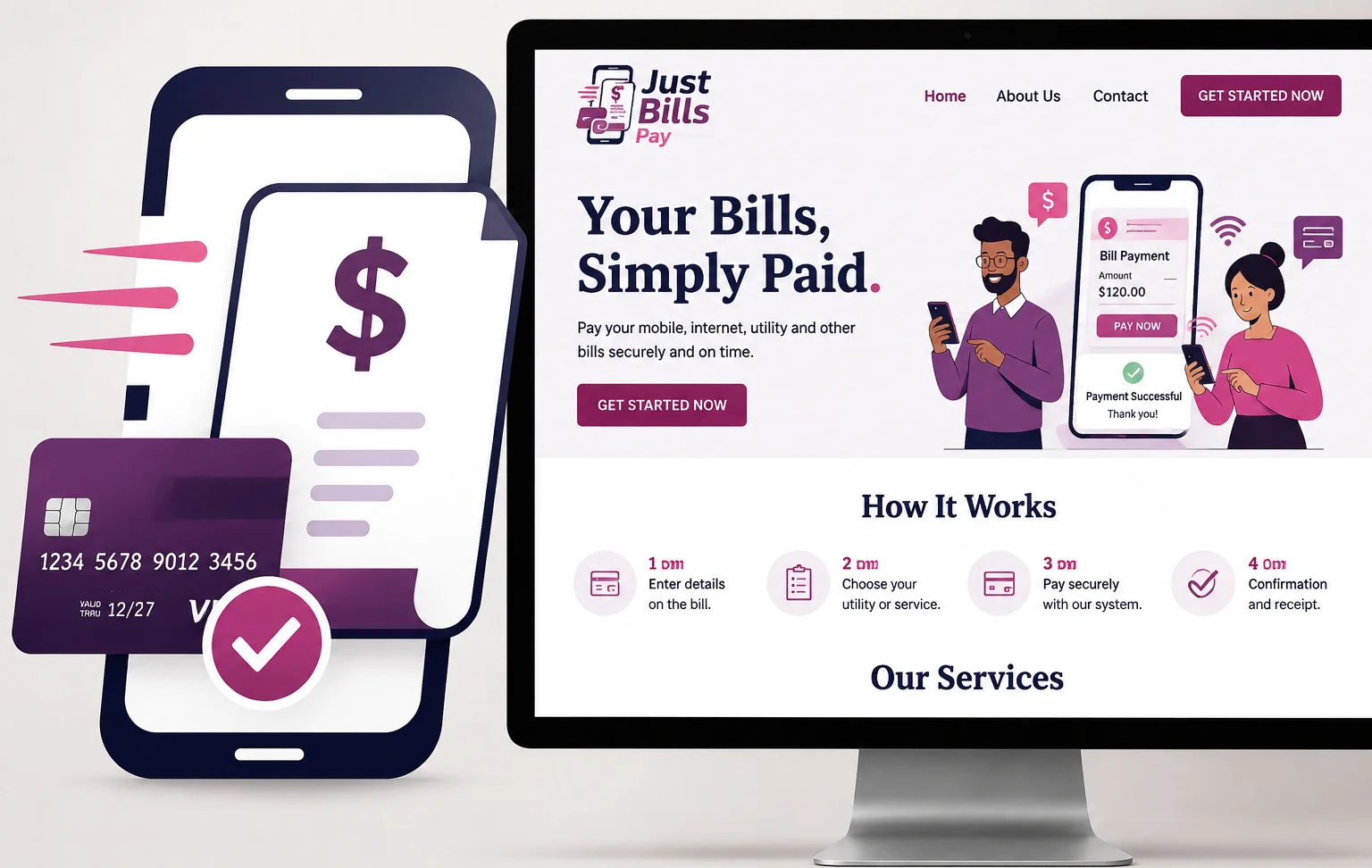
Managing several monthly bills can quickly become overwhelming. Phone bills, internet services, electricity, insurance premiums, credit card payments, subscriptions and other recurring expenses all have different due dates and payment requirements. If you separate these payments, it can be easy to forget a due date or lose track of which bills have been paid.
The good news is that paying your monthly bills online can help you to be more organized and convenient. Consumers can use online payment options to pay eligible bills and better track their monthly obligations, rather than relying solely on paper statements, checks or multiple manual reminders.
The number of payments is not the problem, most people say; it’s the organization of their monthly bills.
Why Managing Multiple Bills Can Be Challenging
A household might have a phone bill due at the beginning of the month, an internet bill a few days later, an electric bill in the middle of the month and insurance or credit card payments due at the end of the month. Then there are subscriptions and other recurring expenses. It can be difficult to keep track of every payment.
This process can be made easier by a simple system for recording the bill name, amount due, due date and payment status.
How Online Bill Pay Can Help
Here’s how online payments can help make paying your monthly bills easier.
1. Manage All Payments in One Place
The online payment option can save you from the hassle of dealing with paper statements or going to different locations to make payments.
Depending on your provider, you may be able to go online and make a payment from a computer or mobile device for payment information. If you can organize your commonly used payment information, this can make the monthly process less of a hassle.
2. You Can Keep Better Track of Due Dates
Knowing when each bill is due is an important part of managing monthly expenses.
Creating a simple bill calendar can help you record:
- Bill name
- Amount due
- Due date
- Payment method
- Payment status
- Confirmation or reference information
You can then review the calendar once a week to see which payments are approaching.
3. One-off Payments May Be Useful in Some Situations
You don’t want all of your bills on auto-pay.
For example, you might want to make a one-time payment when you are paying an occasional bill, making an extra payment, or just want to check the amount before making the payment.
If the provider offers this option, it is important to understand how one-time bill payments work to help you choose an approach that fits your situation.
4. Online Payments Can Make Payment Records Easier to Review
Keeping payment records is useful when managing multiple monthly expenses.
After making a payment, look for any confirmation information provided by the biller. Depending on the payment system, you may receive a confirmation page, email, text message, or transaction reference.
Keeping these records can be particularly helpful if you later need to verify when a payment was submitted.
5. You Can Reduce Reliance on Paper Statements
Paper statements can be useful, but they can also become difficult to organize when you receive many bills each month.
Online account access and digital payment options can reduce some of the paperwork involved in managing recurring expenses. However, it is still important to review statements and account information regularly so you know what you owe before making a payment.
Online Bill Payments Don't Replace Good Organization
Although online payments can make the process more convenient, they are not a complete budgeting system.
It is still important to know:
- How much you owe
- When the payment is due
- Whether the payment has been submitted
- Whether the payment has been processed
- Which bills are recurring
- Which expenses are occasional
A simple spreadsheet, calendar, budgeting app, or written checklist can work alongside online payment options.
What to Do If an Online Bill Payment Doesn't Go Through
Occasionally, a payment may not be completed successfully. A payment could be declined, remain pending, or fail to appear immediately in the biller's payment history.
If this happens, avoid immediately submitting another payment until you understand the status of the first transaction. Check for a confirmation message, review the payment history if available, and check your payment method for a pending or completed transaction.
If the status remains unclear, contacting the biller may help you determine whether the payment was received.
For provider-specific situations, consumers can also look for reliable guides explaining common payment problems and the steps that may help resolve them.
Creating a Simple Monthly Bill Routine
You don't need a complicated financial system to stay organized.
A simple routine could look like this:
At the beginning of the month:Review upcoming bills and their due dates.
Once a week:Check which payments are coming due.
After making a payment:Record the payment and save any available confirmation information.
At the end of the month:Review your payment records and prepare for the next month's expenses.
This routine can help reduce the chance of overlooking a bill.
Final Thoughts
Online bill payments can make monthly bill management easier by helping you access payment information, make eligible payments, and keep track of payment records. Whether you're managing phone, internet, electric, insurance, credit card, or other recurring bills, a simple routine can help you stay organized.
Resources such as Just Bills Pay can provide general bill payment assistance and guidance on eligible payment options. The goal is simple: know what you owe, when it's due, and whether you've already paid it.