Sign up with Google
 Sign in with Zoho
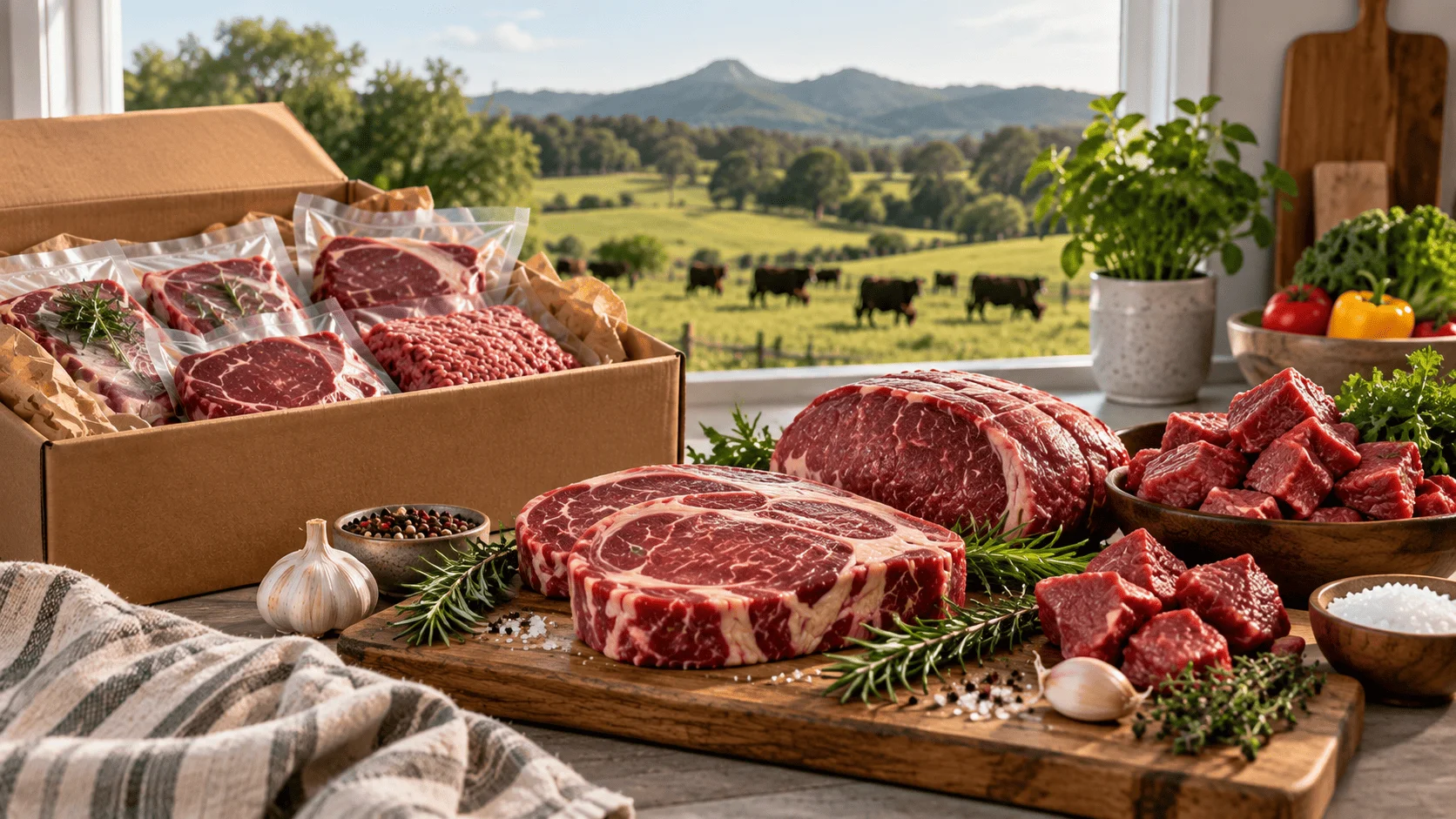
Protein has become the most discussed nutrient on Australian dinner tables, and beef is the food people reach for first. Updated dietary guidance now recommends roughly 1.2 to 1.6 grams of protein per kilogram of body weight a day for most adults, well above the older minimum-intake figures, and that shift alone has changed how shoppers plan meals. Grass fed beef in particular has moved from a niche preference to a default choice, largely because it delivers a dense, complete protein source with a leaner fat profile than grain finished beef.
What's Actually Driving the High-Protein Shift
The shift didn't start with a diet fad. Updated dietary guidance in several countries now points to a higher recommended protein range, and that has changed how shoppers think about a meal. At the same time, there has been a broader move away from heavily processed, plant-based meat substitutes, and animal protein has reclaimed its place as the default choice in many households.
This isn't only about eating more meat, though. It's about eating meat people trust: how the animal was raised, what it was fed, and whether the product on the plate matches the claims on the packet. That question of trust, more than any single nutrition figure, is what has pushed demand toward grass fed beef specifically rather than beef in general.
How to Buy Grass Fed Beef Without Overpaying for Marketing Claims
Rising demand has brought a flood of vague label language, and it's easy to pay a premium for a claim that doesn't hold up on closer inspection. Anyone looking to buy grass fed beef with confidence can run through a few checks that separate a genuine grass fed and grass finished product from one that only sounds like it:
- Look for "grass fed" and "grass finished" stated together, not just one
- Ask whether the animal ever received a grain ration at any stage
- Check whether the seller can explain their farming practices directly, not only in marketing copy
- Compare pricing for buying meat direct against supermarket cuts of similar quality
- Confirm exactly what a meat home delivery service covers before assuming your area is included
These checks matter more now than they did five years ago, because the protein trend has pulled a wider range of sellers -and a wider range of claims -into the market.
Why Grass Fed Beef Fits the "Quality Protein" Conversation
Grass fed beef tends to carry a leaner fat profile and a different fatty acid composition than grain finished beef. For shoppers trying to hit a higher protein target without a matching jump in saturated fat, that difference matters more than it used to, since protein content itself is broadly similar between grass fed and grain fed cattle -the real variable is fat.
Buying direct from a farm also tends to come with more specific detail about how the animal was raised than packaging alone provides, which is part of why "quality protein" now means more to buyers than just the numbers on a nutrition panel.
What the Protein Numbers Mean in Practice
A single well-portioned serving of beef contributes a large share of a day's 1.2–1.6g/kg protein target in one sitting, which is difficult to replicate with lower-density alternatives without eating significantly more food. That's a modest change in the guideline numbers, but a meaningful one in how a plate gets built -protein-dense foods like beef become the anchor of a meal rather than a side element.
Bringing High-Protein Eating Home
For households trying to eat this way consistently, sourcing becomes the practical question. Ordering grass fed beef direct from a farm, rather than relying on whatever happens to be in stock at the supermarket that week, tends to produce more consistent quality and, over a full order, a better price. More shoppers now buy meat online through organic meat delivery services instead of waiting on whatever cut is left on a supermarket shelf.
Maleny Black Angus Beef supplies 100% grass fed and grass finished beef direct from Sunshine Coast Hinterland pastures, offering meat delivery across Brisbane, the Gold Coast and the wider Sunshine Coast region, with options to buy meat in bulk for households ordering regularly. Shoppers can browse available cuts or ask about sourcing before their next order.
Conclusion
The push toward higher protein intake isn't a passing trend -it's backed by updated dietary guidance and a lasting shift away from heavily processed alternatives. Beef's place at the centre of that shift comes down to density, a complete amino acid profile, and a fat composition that suits how people want to eat in 2026. For buyers choosing between supermarket shelves and a farm-direct order, the checklist matters more than the marketing copy: confirm the "grass fed and grass finished" claim, ask how the animal was raised, and compare pricing across a full order rather than a single cut.
Frequently Asked Questions
1. Does grass fed beef cost more than supermarket beef overall?
Per individual cut, it can. But ordering in bulk direct from a farm often narrows or removes that gap once the price is measured across a full order rather than a single cut.
2. Can a grain finished animal still be labelled "grass fed"?
Yes, in many markets "grass fed" alone only describes the diet up to a certain stage, which is why checking for "grass fed and grass finished" stated together is the more reliable label to look for.
3. Is a higher protein intake safe for most healthy adults?
For most healthy adults, yes -the updated 1.2–1.6g/kg range sits within levels considered safe by current dietary guidance, though people with kidney conditions should check with a doctor before increasing intake significantly.
4. How does grass fed beef compare to chicken or plant protein for hitting a daily target?
Beef is more calorie- and protein-dense per serving than most plant sources and comparable to chicken by protein weight, but it typically requires less volume of food to reach the same protein total.
5. What should a buyer ask a farm-direct seller before ordering?
Whether the animal was grain-finished at any point, how delivery areas are defined, and whether pricing is quoted per kilogram or per cut -details that vary more between direct sellers than supermarket labelling does.

.webp)