Sign up with Google
 Sign in with Zoho

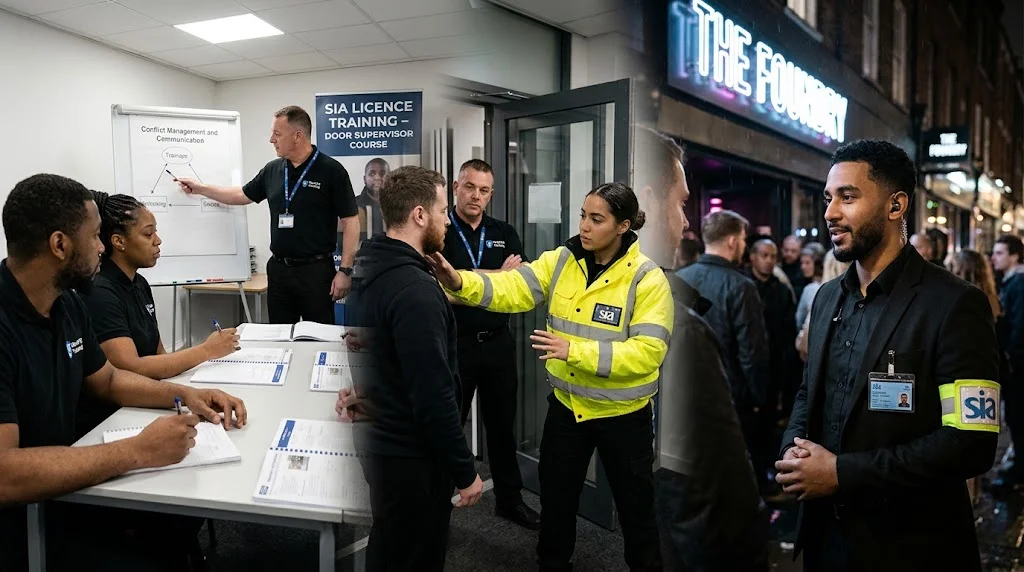
Working as a door supervisor is one of the most accessible entry points into the UK's private security industry. The role offers flexible hours, steady demand across nightlife, events, retail and hospitality, and clear routes for progression. But before you can stand on a door in a professional capacity, you need the right credentials. This guide walks you through the entire process, from understanding what the licence is to choosing the right training so you can start earning as quickly as possible.
What Is an SIA Door Supervisor Licence?
The Security Industry Authority (SIA) is the regulator responsible for licensing private security operatives across the United Kingdom. Under the Private Security Industry Act 2001, anyone carrying out licensable security activities, such as controlling entry to licensed premises, must hold a valid SIA licence.
A door supervisor licence legally permits you to work at pubs, bars, nightclubs, festivals, concerts and similar venues. Working without one is a criminal offence for the individual and for any employer or supplier who knowingly uses an unlicensed operative. That makes the licence not just a career asset but a legal necessity.
Who Can Apply?
Before booking any training, check that you meet the basic eligibility requirements:
- You must be at least 18 years old.
- You need the right to work in the UK.
- You must pass an identity check with acceptable documents.
- You need to meet the SIA's "fit and proper person" criteria, which includes a criminal record check.
- You must hold a valid, approved qualification from a recognised awarding organisation.
Certain criminal convictions can lead to a refusal, and the SIA publishes guidance on which offences matter and how long they remain relevant. If you have any concerns about your record, it is sensible to read the SIA's criteria before you spend money on training.
Step-by-Step: How to Get an SIA Door Supervisor Licence
If you are wondering How to Get an SIA Door Supervisor Licence, the process can be broken down into a handful of clear stages.
Step 1: Confirm Your Eligibility
Review the age, right-to-work and criminal record requirements above. Gather your identity documents early, because the SIA requires specific combinations of passport, driving licence, proof of address and similar paperwork.
Step 2: Complete an Approved Training Course
You cannot apply for a licence without first earning the Level 2 Award for Door Supervisors in the Private Security Industry. This qualification must be delivered by a training provider approved by an SIA-recognised awarding organisation. The course covers the knowledge and practical skills needed to work safely and lawfully.
Step 3: Pass the Assessments
Assessment typically includes multiple-choice exams on core topics, practical assessments covering physical intervention techniques, and a scenario-based element where you demonstrate how you would handle real situations. Good providers prepare you thoroughly so you walk into each assessment with confidence.
Step 4: Obtain a First Aid Qualification
Since the SIA's updated training requirements, applicants need a valid first aid qualification, such as Emergency First Aid at Work or an equivalent, alongside the door supervisor award. Many providers bundle this into the course package, which saves time and money.
Step 5: Apply to the SIA
Once you have your certificates, you apply online through the SIA website. You will upload identity documents, a photograph, and proof of your training, then pay the licence fee. The licence is valid for three years, and the fee is set by the SIA, so always check the current amount on their official website.
Step 6: Criminal Record Check and Decision
The SIA carries out a Disclosure and Barring Service check. Processing times vary, so apply as soon as your training is complete. Once approved, your licence is issued and you can legally begin working.
What Does the Training Cover?
The qualification is designed to prepare you for the realities of the job rather than just the theory. Typical content includes:
Roles and responsibilities. You will learn what a door supervisor does, how the role fits within the wider security industry, and the importance of professional conduct.
Law and legal powers. This module explains your legal responsibilities, the limits of your authority, searching procedures, use of reasonable force, and relevant licensing legislation.
Conflict management. Much of the job is about preventing trouble before it starts. You will practise communication, de-escalation and dealing with aggressive or intoxicated individuals calmly and professionally.
Physical intervention. Training includes safe, proportionate techniques for situations where force is unavoidable, with a strong emphasis on protecting both the individual and yourself.
Emergency procedures. You will learn evacuation, fire safety, how to respond to incidents, and how to work with the emergency services.
Counter-terrorism awareness. Modern training includes recognising suspicious behaviour and understanding how to report concerns, reflecting the growing importance of public safety.
Door Supervisor Course for Beginners: What to Expect
If you have no previous security experience, a door supervisor course for beginner is designed with you in mind. You do not need prior knowledge, and a good instructor will build your understanding from the ground up.
Courses usually run over several consecutive days, combining classroom teaching, discussion and practical exercises. Expect a mix of learning styles: group scenarios, role-play, demonstrations and written work. Many people find the practical sessions the most enjoyable part, as they bring the theory to life.
Some tips to help you succeed on the course:
- Arrive prepared. Bring valid photo ID and any documents your provider requests, as identity checks are mandatory.
- Participate actively. Role-play exercises are where confidence is built, so get involved even if it feels awkward at first.
- Take notes. Legal definitions and procedures are easier to retain when you write them down.
- Ask questions. Instructors are experienced professionals, often with years on the door, and their real-world insight is invaluable.
- Rest and eat well. Training days are intensive, and physical sessions require energy.
How Much Does It Cost and How Long Does It Take?
Total cost depends on the provider, the course format and whether first aid is included. Beyond course fees, you will also need to budget for the SIA licence fee itself. Be wary of unusually cheap offers, as they may indicate cut corners, hidden extras or an unapproved provider whose certificate the SIA will not accept.
In terms of timeline, training takes about a week, and the licence application can take a few weeks to process, though this varies. Many people are working within a month or two of starting.
Choosing the Best SIA Training Provider in London
London has a huge security sector, which means plenty of training options, but quality varies considerably. Searching for the Best training provider in London means looking beyond price and flashy marketing. Consider the following factors:
Approved status. Confirm the provider is approved by a recognised awarding organisation. Without this, your qualification will not support an SIA application.
Experienced instructors. Trainers who have worked in the industry bring practical stories and realistic scenarios that textbooks cannot match.
Pass rates and reviews. Genuine learner feedback reveals how supportive the training environment is and whether students feel ready for assessment.
Clear, transparent pricing. A reputable provider tells you upfront what is included, from first aid to exam fees, with no surprises later.
Flexible scheduling. Weekday, weekend and evening options help if you are balancing work or family commitments.
Support beyond the classroom. Some providers help with licence applications and offer guidance on finding work after qualifying, which can make a real difference when you are starting out.
Accessible location. A venue near good transport links makes attending a multi-day course far easier.
Career Prospects After Qualifying
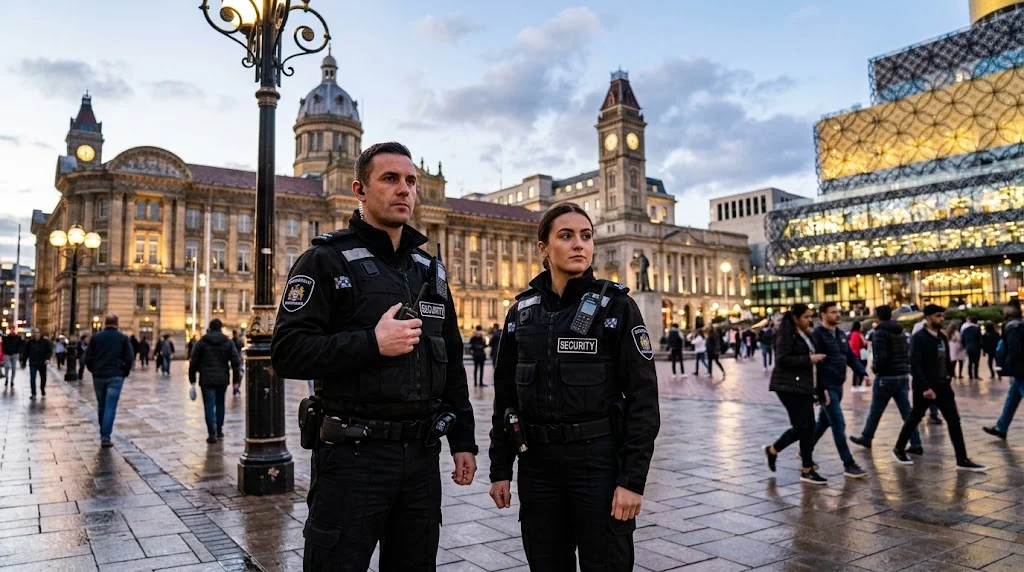
Once licensed, a wide range of opportunities opens up. Door supervisors work in bars, nightclubs, music venues, sports stadiums, festivals, theatres and corporate events. Many start through security agencies, which offer variable shifts and a chance to try different environments before specialising.
With experience, you can progress into team leader or supervisory roles, move into event security management, or add further qualifications such as CCTV operation, close protection or security guarding. Some operatives eventually start their own security businesses. The skills you develop, including communication, situational awareness and calm decision-making, are valuable in countless other careers too.
Renewing Your Licence
Your licence lasts three years. To renew, you generally need to apply before expiry and may need to show you meet current training requirements. Keep an eye on your expiry date, since working with an expired licence is an offence. Applying early avoids gaps in employment.
Common Mistakes to Avoid
- Choosing an unapproved provider. Always verify approval before paying.
- Leaving ID documents until the last minute. Missing paperwork delays applications.
- Ignoring your criminal record. Check the SIA's guidance first so there are no surprises.
- Applying late. Processing takes time, so submit as soon as you are eligible.
- Underestimating the physical side. You will need a reasonable level of fitness and the ability to take part in practical exercises.
Final Thoughts
Getting your door supervisor licence is a straightforward process when you break it down: confirm you are eligible, complete an approved course, pass your assessments, gain a first aid qualification and apply to the SIA. The most important decision you will make is choosing a training provider that is properly approved, genuinely experienced and committed to your success.
Invest the time to research your options, ask questions before enrolling, and prepare well for your course. With the right training behind you, you will be ready to step into a rewarding profession with real opportunities for growth. Whether you see door supervision as a first job, a flexible side income or the beginning of a long security career, the licence is your gateway in.
Note: Licence fees, training requirements and application procedures are set by the SIA and can change, so always check the official SIA website for the latest information before you apply.




.webp)