Sign up with Google
 Sign in with Zoho

Key takeaways
- A synthetic audience is a group of AI-generated synthetic users, built from detailed personas, that represents a target market.
- It works in three stages: define the target audience, present questions or concepts, then generate and analyse responses.
- Teams use synthetic audiences for concept evaluation, prototype and price testing, and early consumer insights, in hours instead of weeks.
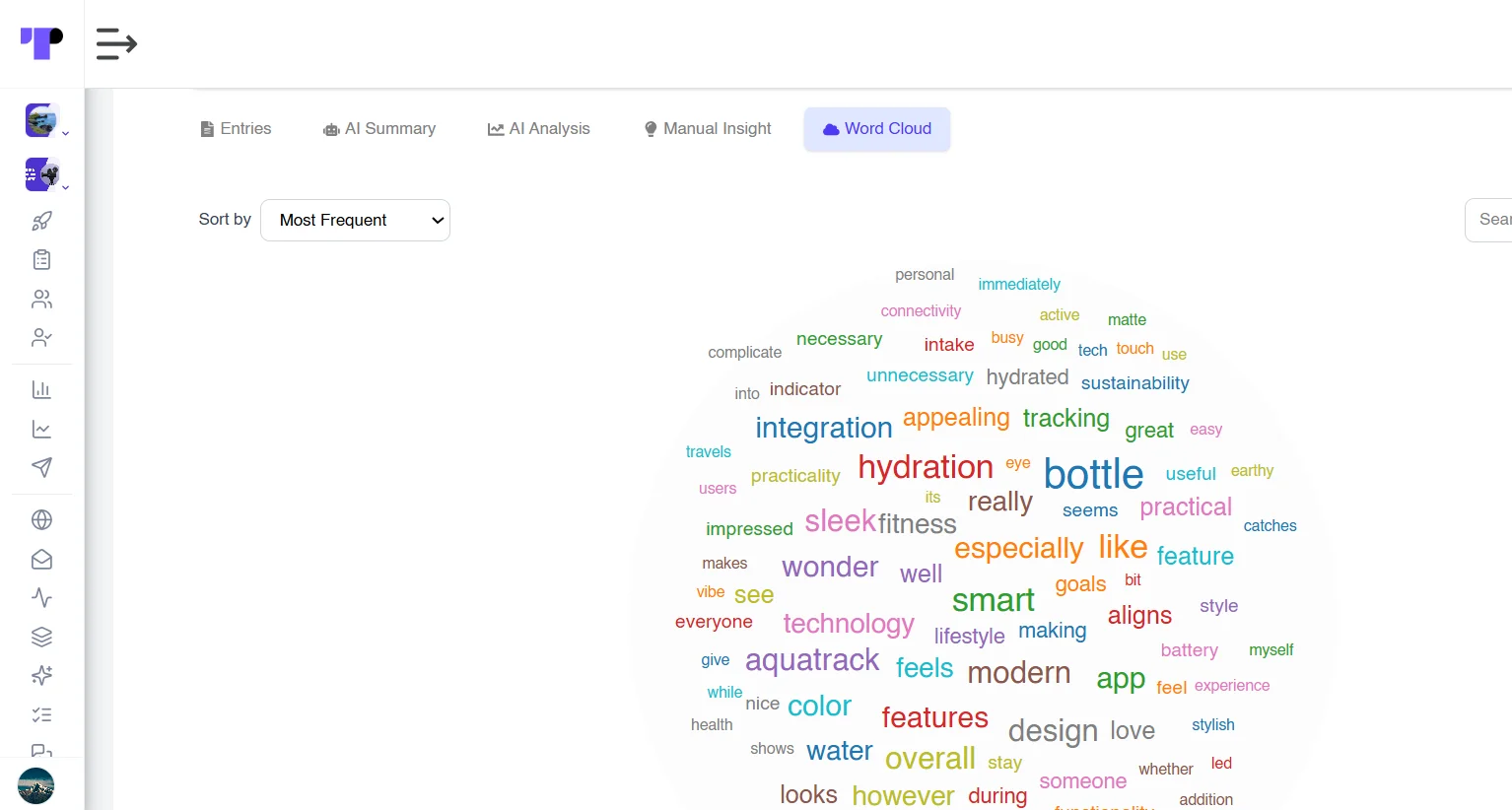
- AI-powered analysis turns synthetic responses into sentiment, research gaps, segment comparisons, taxonomies and word clouds.
- Synthetic findings are a starting point: they should always be validated through research with real consumers.
Your team has spent three months building a new product. Launch day is close. Then someone asks the questions nobody wants to hear.
Have we checked that people actually want this?
Will they find the product useful?
Will the proposed price seem reasonable?
More importantly, what might discourage potential buyers from choosing it?
Most new launches start with such sinking feelings. Real customer research takes weeks, and by the time the answers arrive, the budget is spent and the deadline has passed.
What if you could ask your target customers anything, show them your ideas, and hear back before lunch?
That is the promise of synthetic audiences. By using AI-generated consumer profiles, researchers can examine potential reactions to product ideas, compare audience perspectives and identify areas that deserve further investigation. Rather than waiting until a product reaches the testing stage, businesses can use simulated audience responses to explore assumptions and refine concepts earlier in the research process.
What Is a Synthetic Audience?
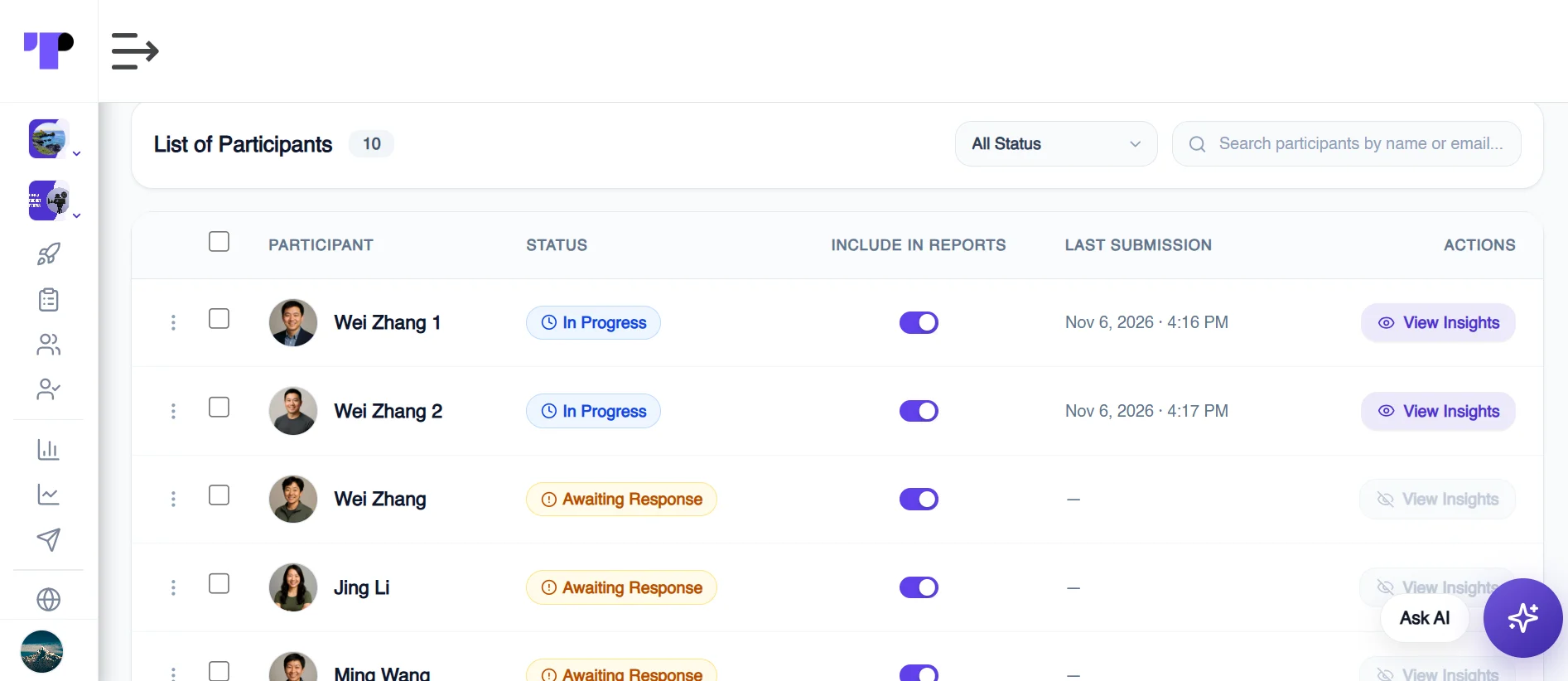
A synthetic audience is a group of AI-generated synthetic users that represents a target market. Each synthetic user is built from a detailed persona, covering age, location, interests, opinions and buying habits, so it answers questions the way a real customer in that group likely would. Some teams also call these AI personas virtual consumers, or synthetic respondents.
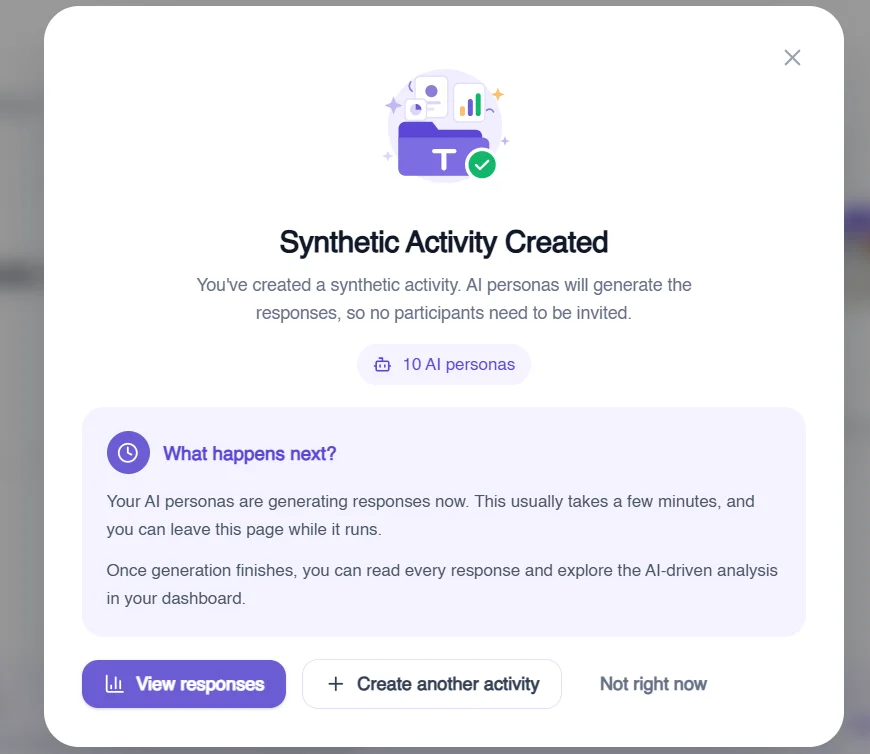
With Terapage, researchers and research agencies describe the personas they want to reach, add their questions or concepts, and get consumer insights in hours instead of weeks. There is no recruiting and no waiting, which makes synthetic audiences a fast, affordable way for research teams to test products, evaluate concepts and understand consumers at scale.
For example, a company exploring a new fitness product could create synthetic profiles representing university students, working professionals, fitness enthusiasts and individuals with relatively inactive lifestyles. Each profile provides a different perspective through which the product concept can be examined instantly without going out to market.
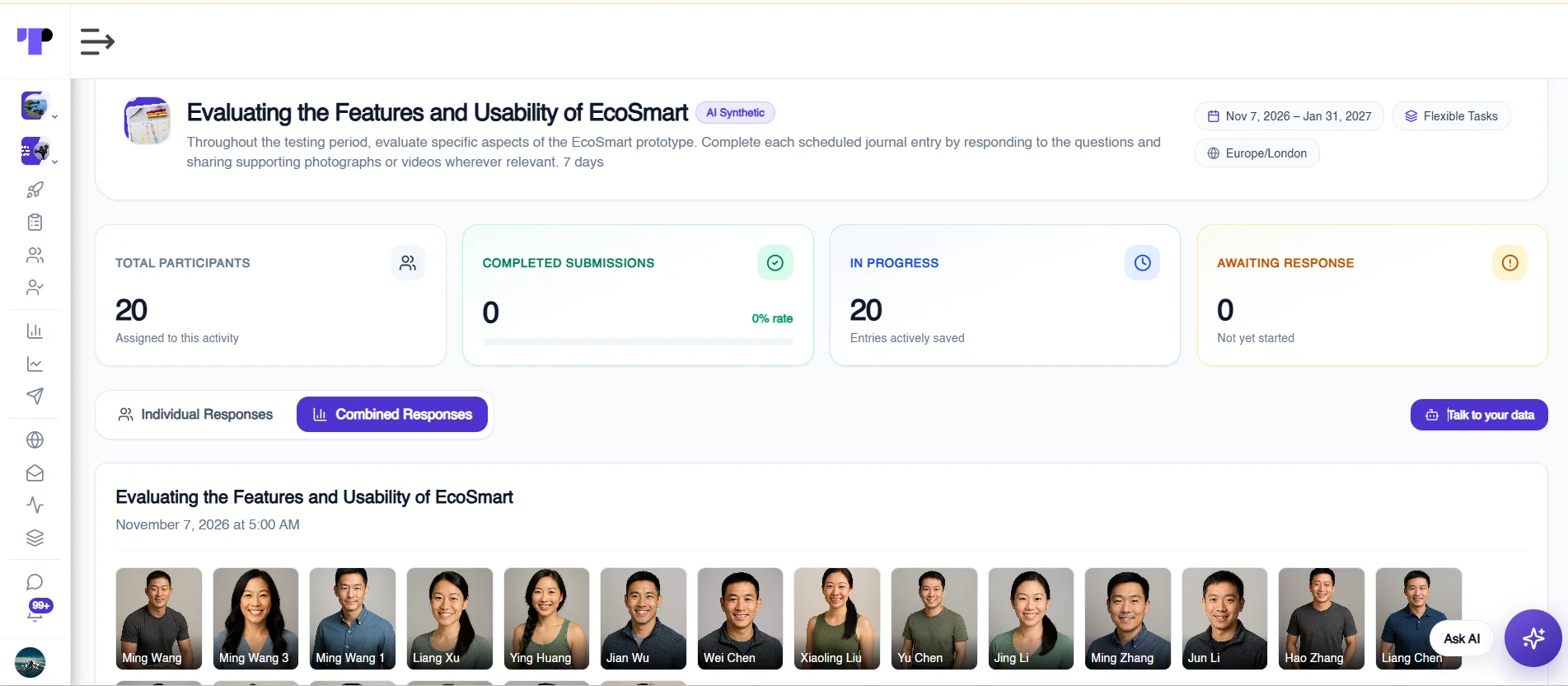
Figure 1: Synthetic participants sharing daily feedback through journal entries during product prototype testing in a consumer research study.
How Do Synthetic Audiences Work?
Using synthetic audiences generally involves three stages.
1. Defining the Target Audience
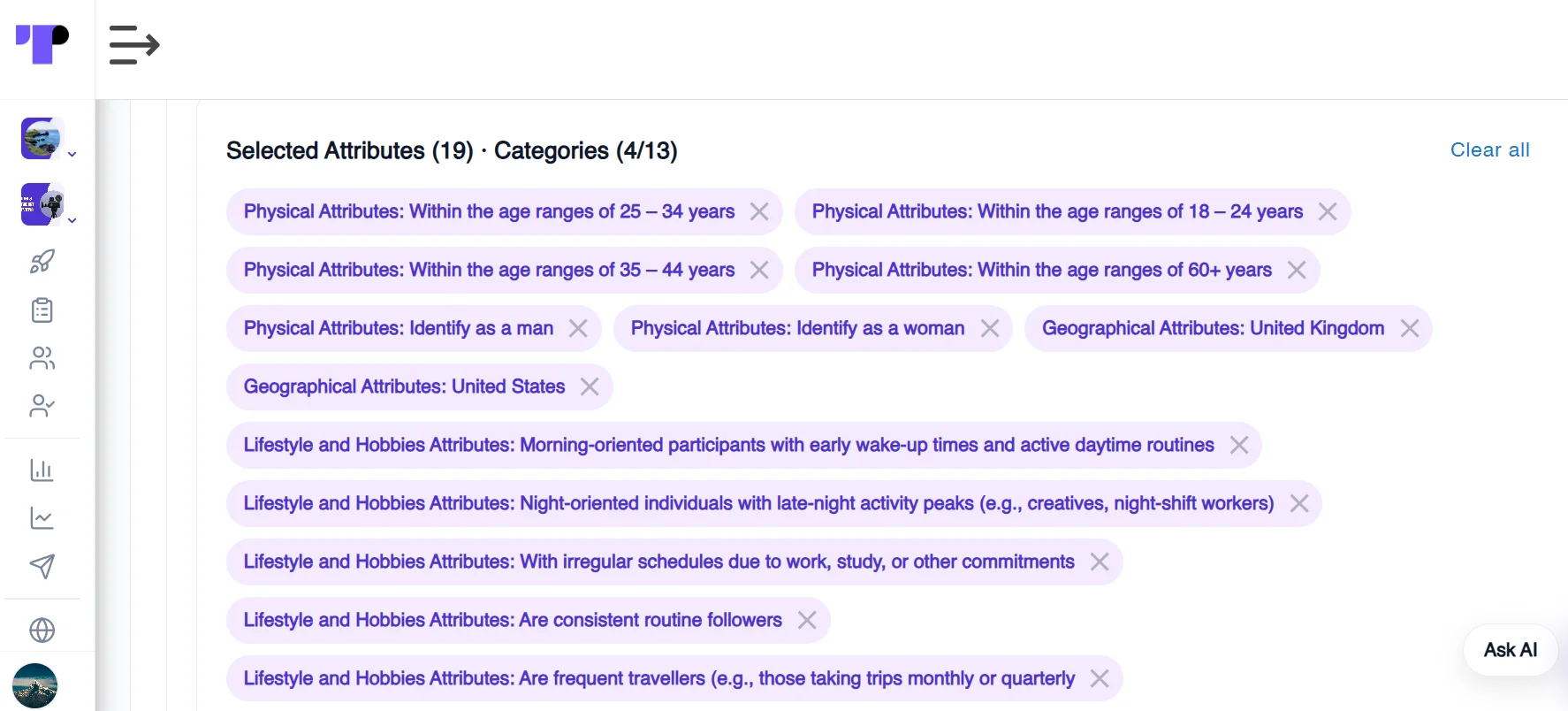
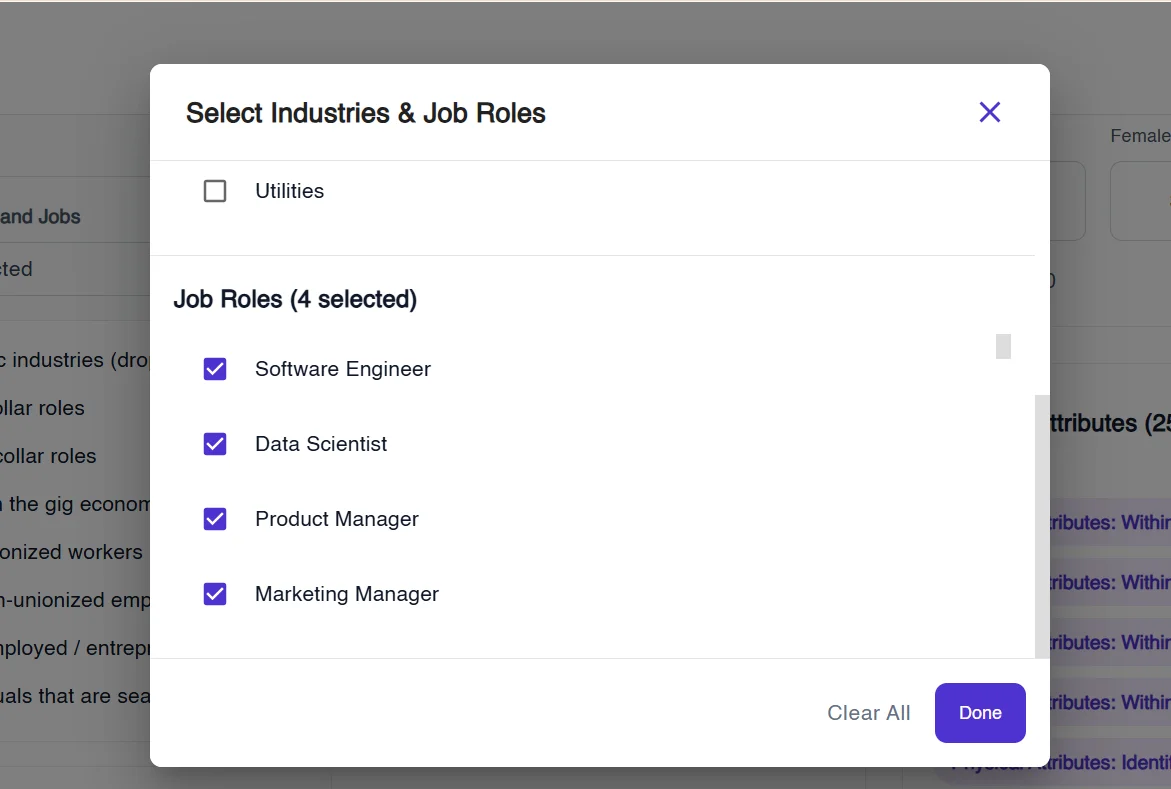
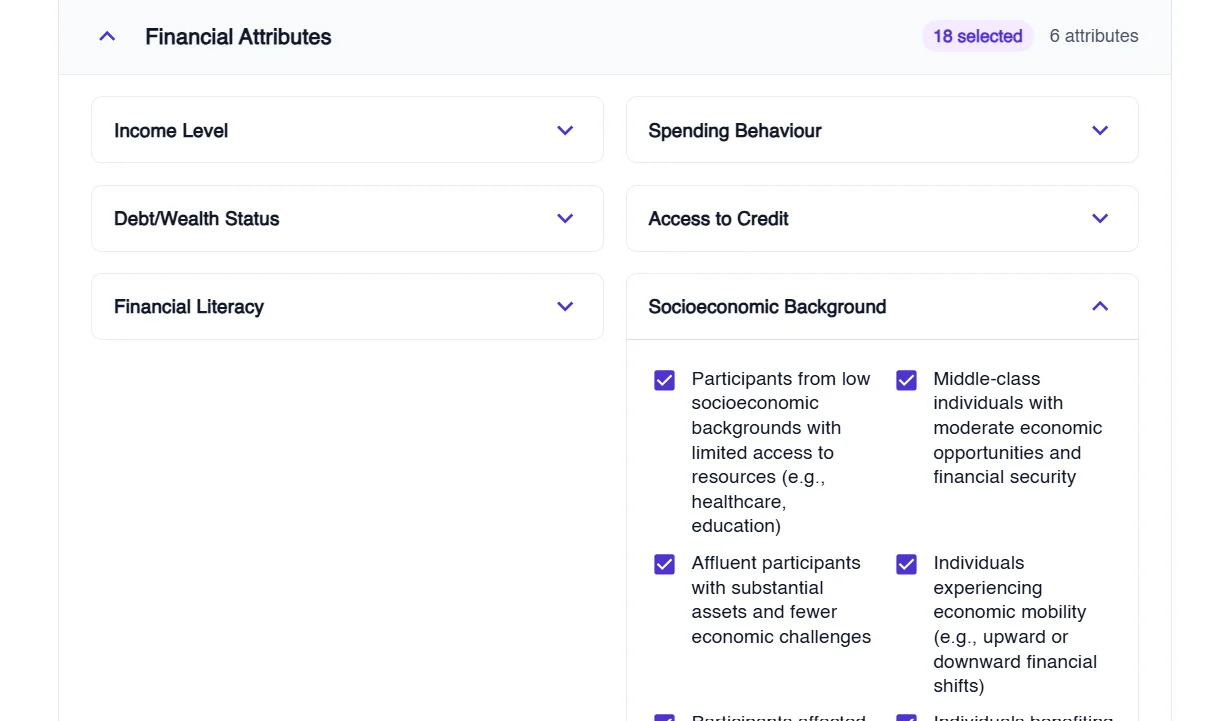
Researchers begin by identifying the audience they want to explore. They can specify relevant characteristics such as age, location, occupation, lifestyle, interests, purchasing habits and behavioural attributes. Based on these inputs, AI generates synthetic consumer profiles that reflect the selected audience characteristics. Terapage has 13 major categories with more than 100 attributes to create a diverse and representative group of AI personas/users.
2. Presenting Research Questions or Concepts
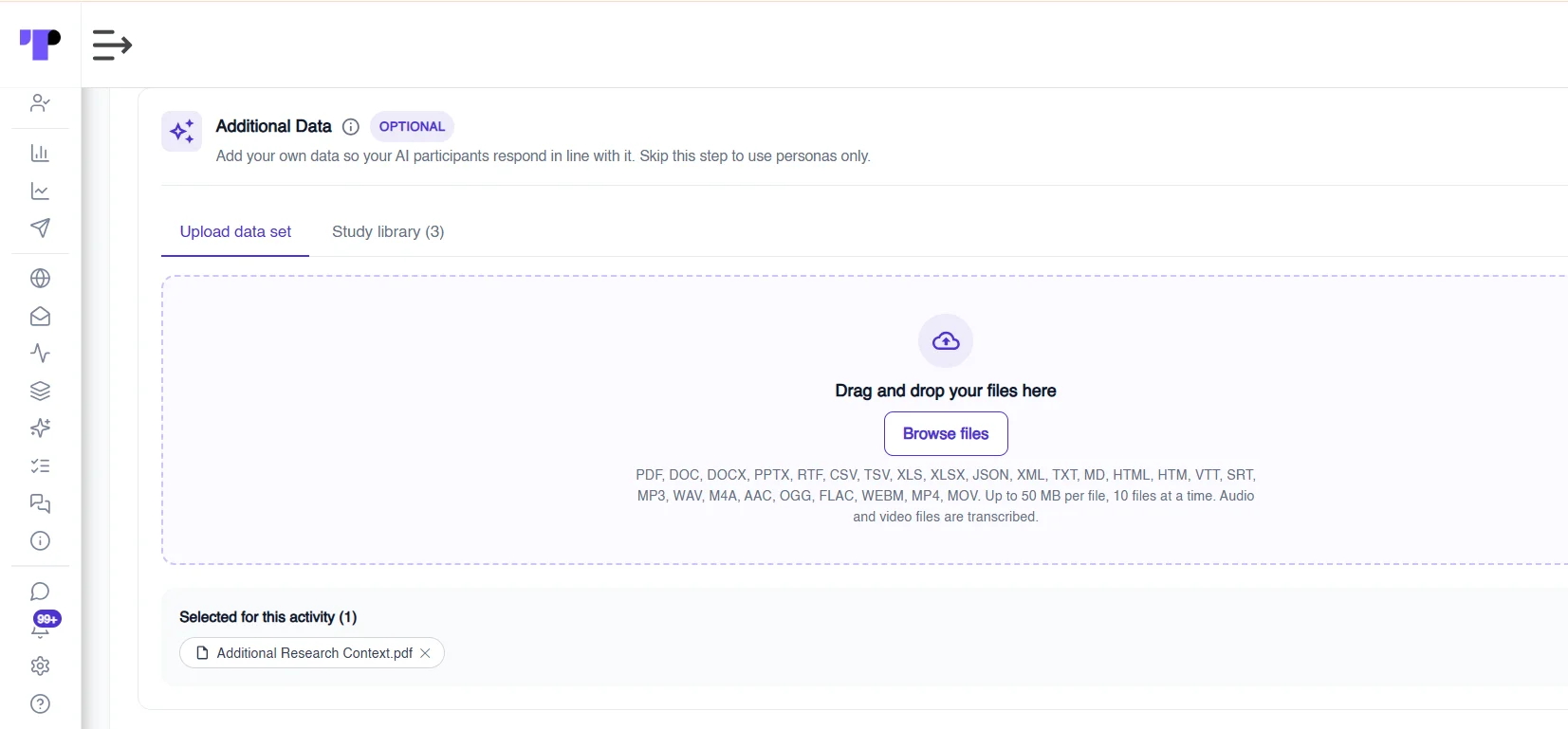
Once the audience profiles are established, researchers can introduce product concepts, images, survey questions, marketing messages or open-ended prompts to explore how different synthetic participants might respond to a specific research scenario.
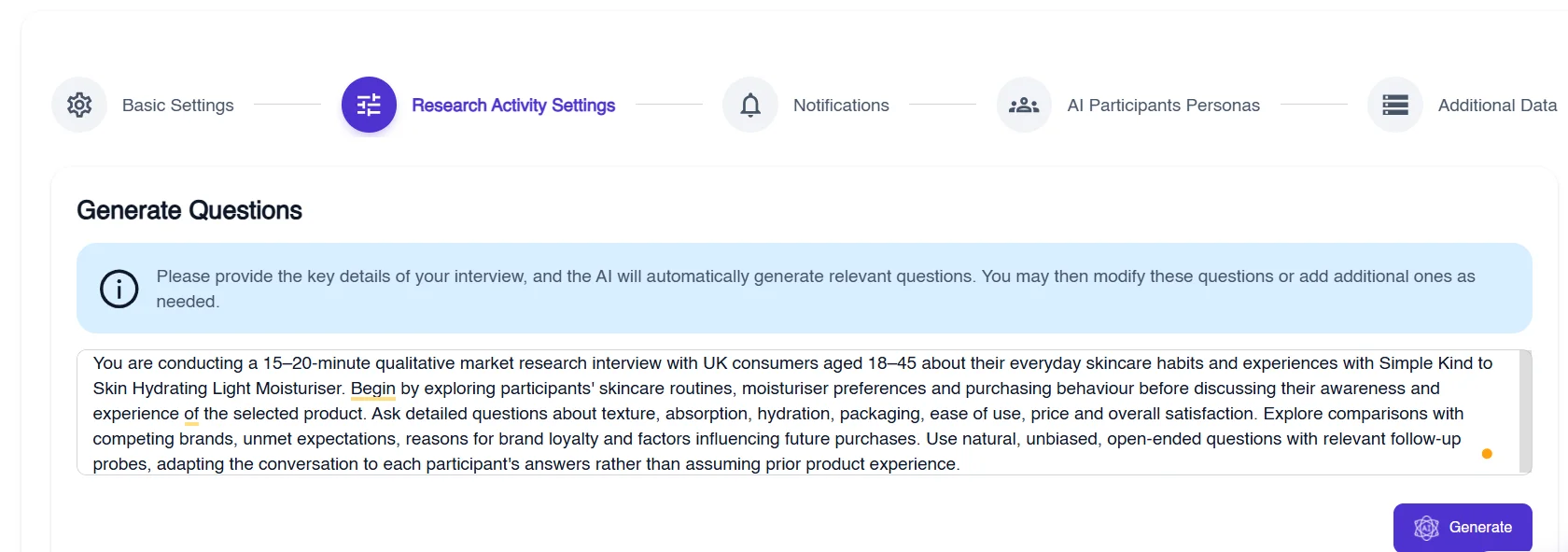
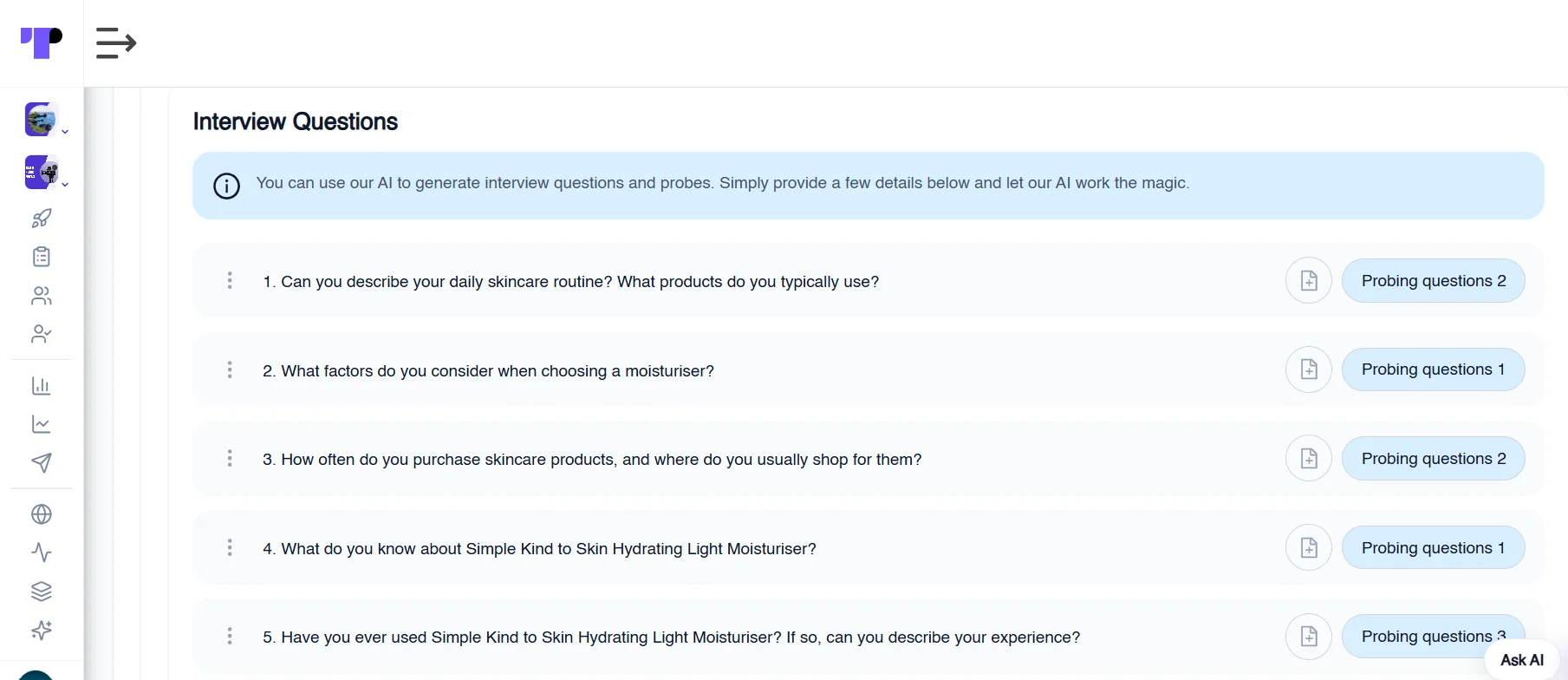
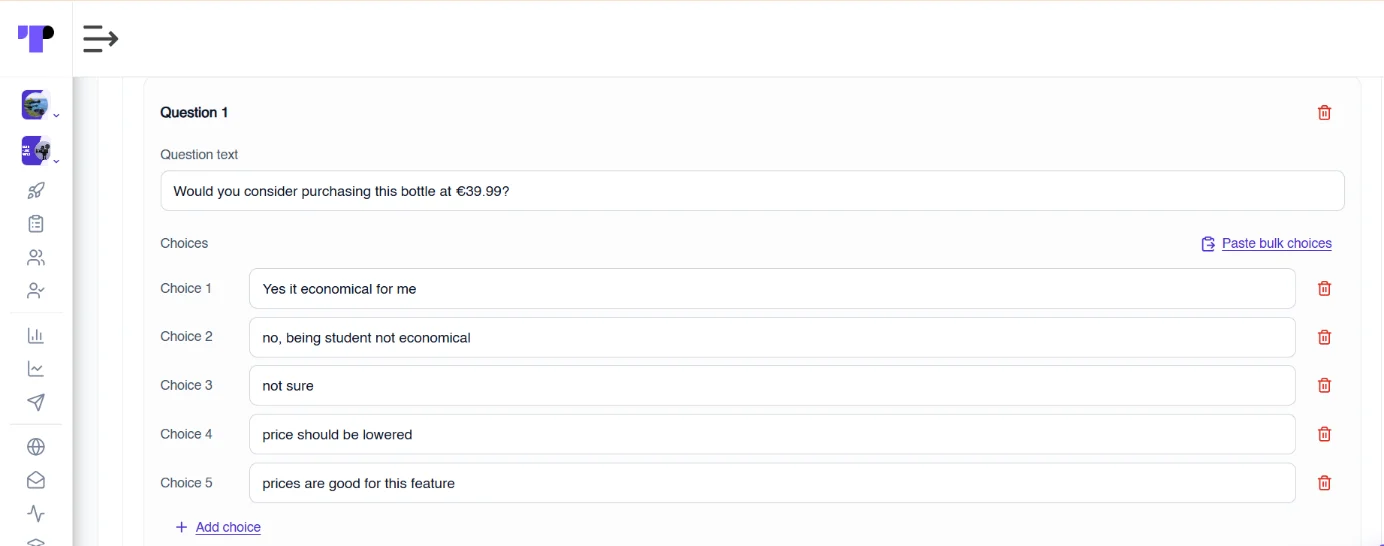
As a fully AI-powered research platform, Terapage also allows businesses and organisations to create survey questionnaires and interview questions simply by entering a prompt in natural language. The AI generates relevant questions based on the research objectives, which researchers can review, edit and customise before proceeding.
3. Generating and Analysing Responses
The AI generates responses based on the provided profiles and information. Researchers can examine recurring themes, compare perspectives, identify potential concerns and explore differences between audience segments.
This process can support early-stage research and help teams identify areas that require further investigation. However, the speed of generating responses should not be confused with the time required to establish reliable market evidence. Synthetic findings still require appropriate validation with real participants.
Why Are Teams Exploring Synthetic Audiences?
Speed is a major advantage, but synthetic audiences also offer flexibility and new ways to approach early-stage research.
1. Lower Research Costs
Synthetic users reduce the time and expense of recruiting participants and organising early-stage research.
2. More Opportunities to Test Ideas
They allow companies to explore multiple product concepts, features and marketing messages before selecting the strongest options for further testing.
3. Access to Niche Audiences
Companies and brands can explore potential perspectives from specialised consumer groups that may be difficult or expensive to recruit.
4. Safer Early-Stage Testing
They are perfect for examining unfinished product ideas and concepts in a controlled research environment before sharing them with actual consumers.
Concept Evaluation: Testing Ideas Before Development
Before investing in product development, businesses need to understand whether their ideas address actual consumer needs and expectations. Synthetic audiences allow them to explore initial concepts, compare alternatives and identify potential weaknesses at an early stage.
Terapage enables businesses and organisations to evaluate product concepts using multiple research methods, including:
- Journal or diary studies
- AI-moderated interviews
- Document reviews
- Polls
- Surveys
- Rating scales
- Rank it and Sort it
- Image/video reviews
- and other interactive activities.
These methods help researchers gather different perspectives and understand how synthetic participants respond to proposed ideas.
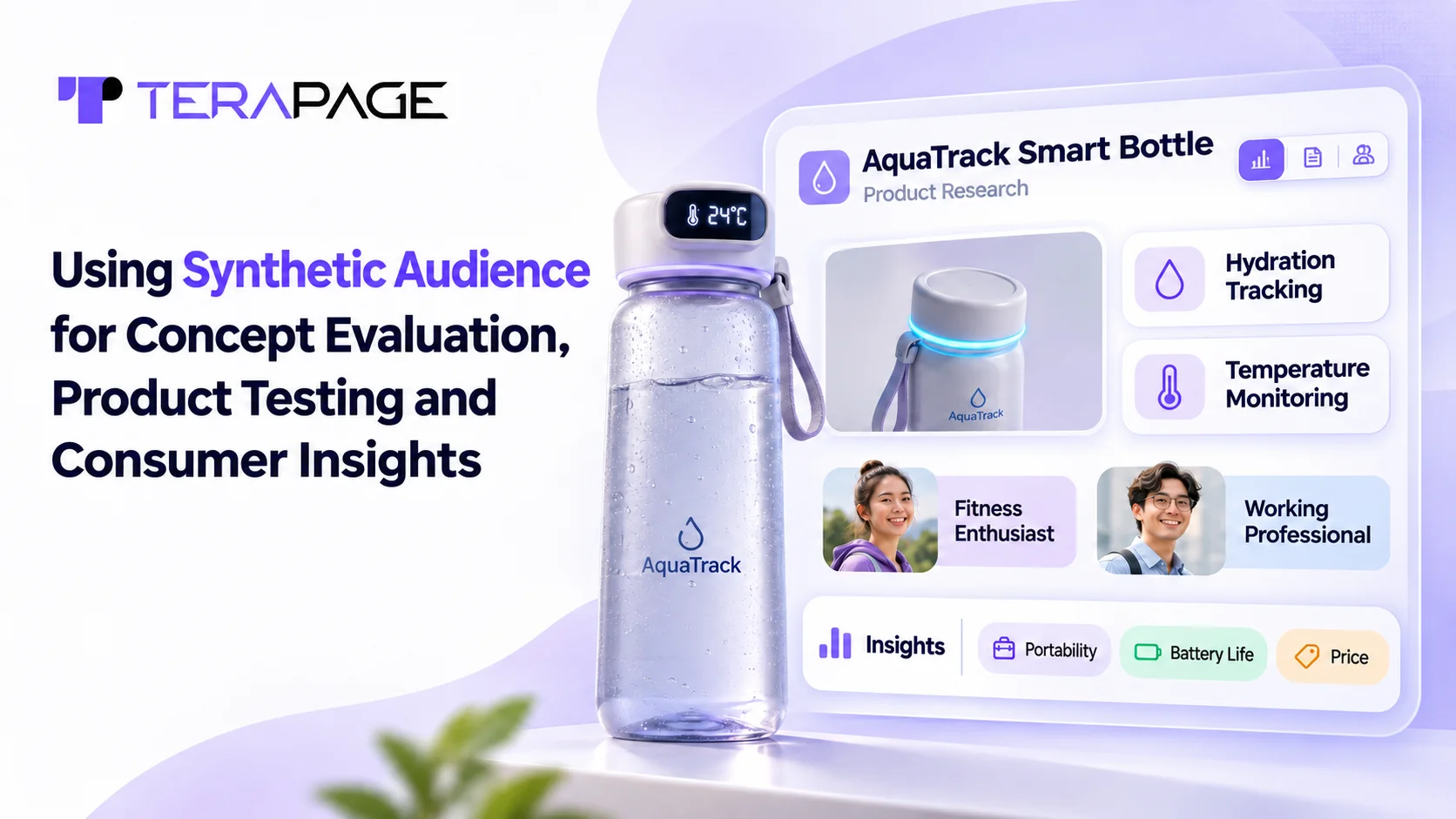
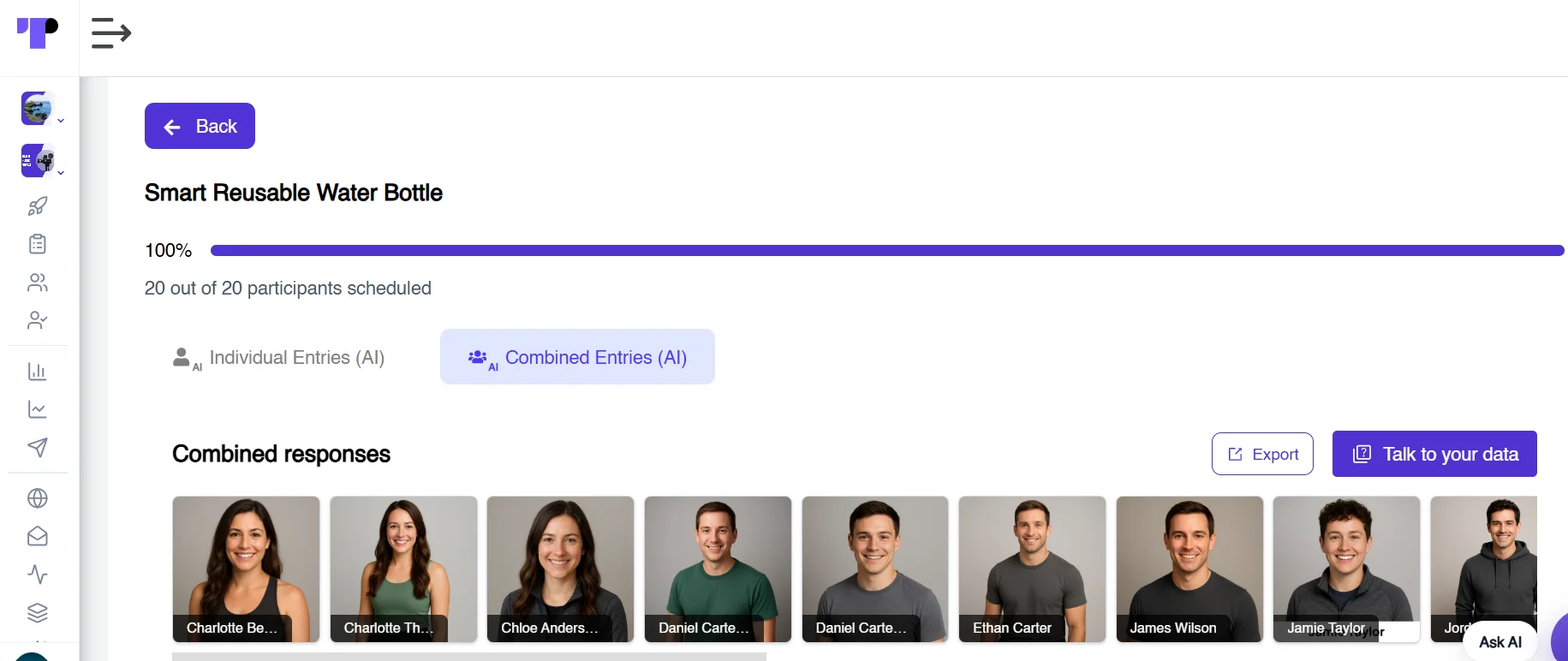
For example, a company planning to introduce a smart reusable water bottle could evaluate two product concepts: one focused on hydration tracking and another featuring temperature monitoring and mobile app integration. Researchers can present both concepts to synthetic participants and explore their preferences, perceived usefulness, expectations and potential concerns through different research activities. By comparing synthetic responses, researchers can explore:
- Which concept appears more appealing?
- Which features got the most relevant responses?
- What potential concerns might consumers raise?
- Are there differences in preferences across different audience segments, such as athletes or remote employees?
- What improvements could make the concept more attractive?
This early evaluation of concepts and ideas helps businesses refine their approach before moving into product development.
Product Testing: Exploring Reactions to Prototypes
Once a concept has been developed into a prototype, the research focus shifts from evaluating an idea to examining the proposed product experience.
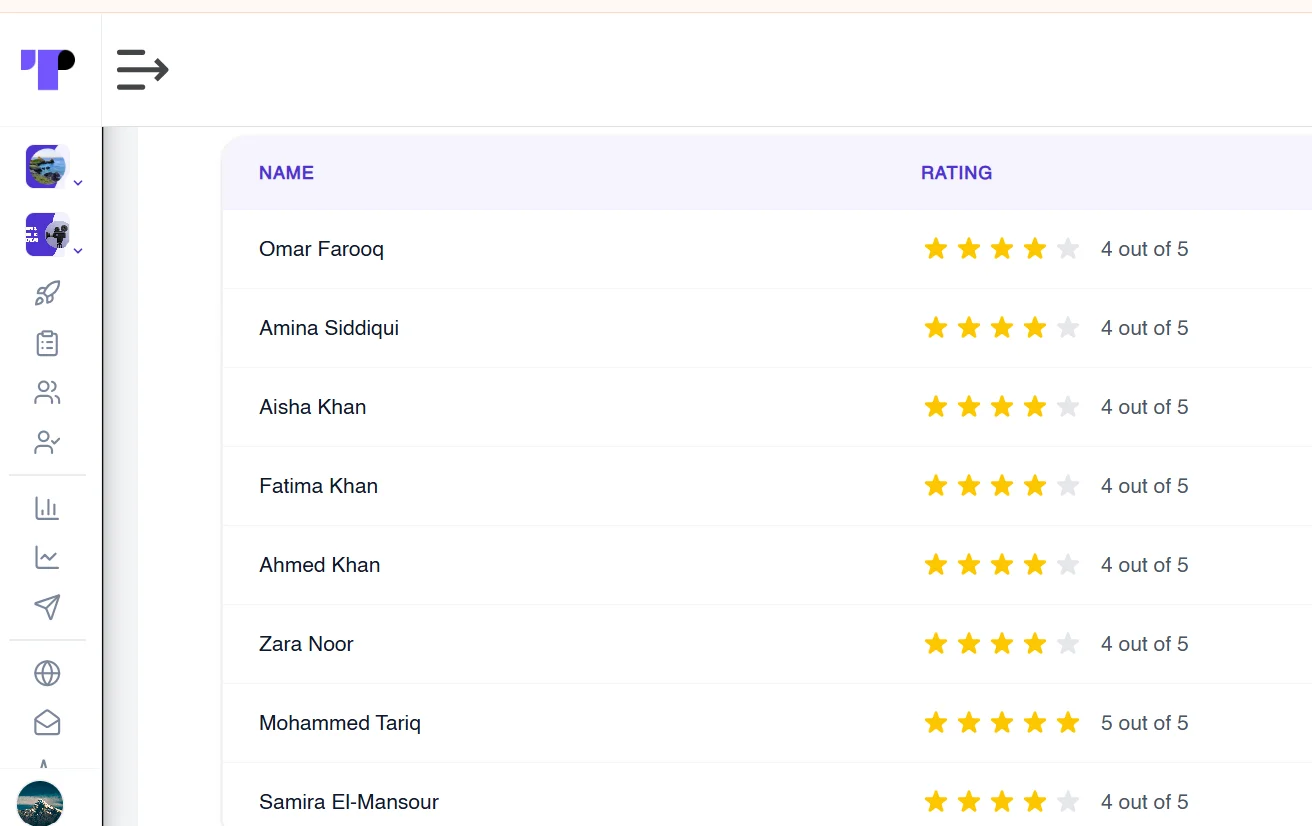
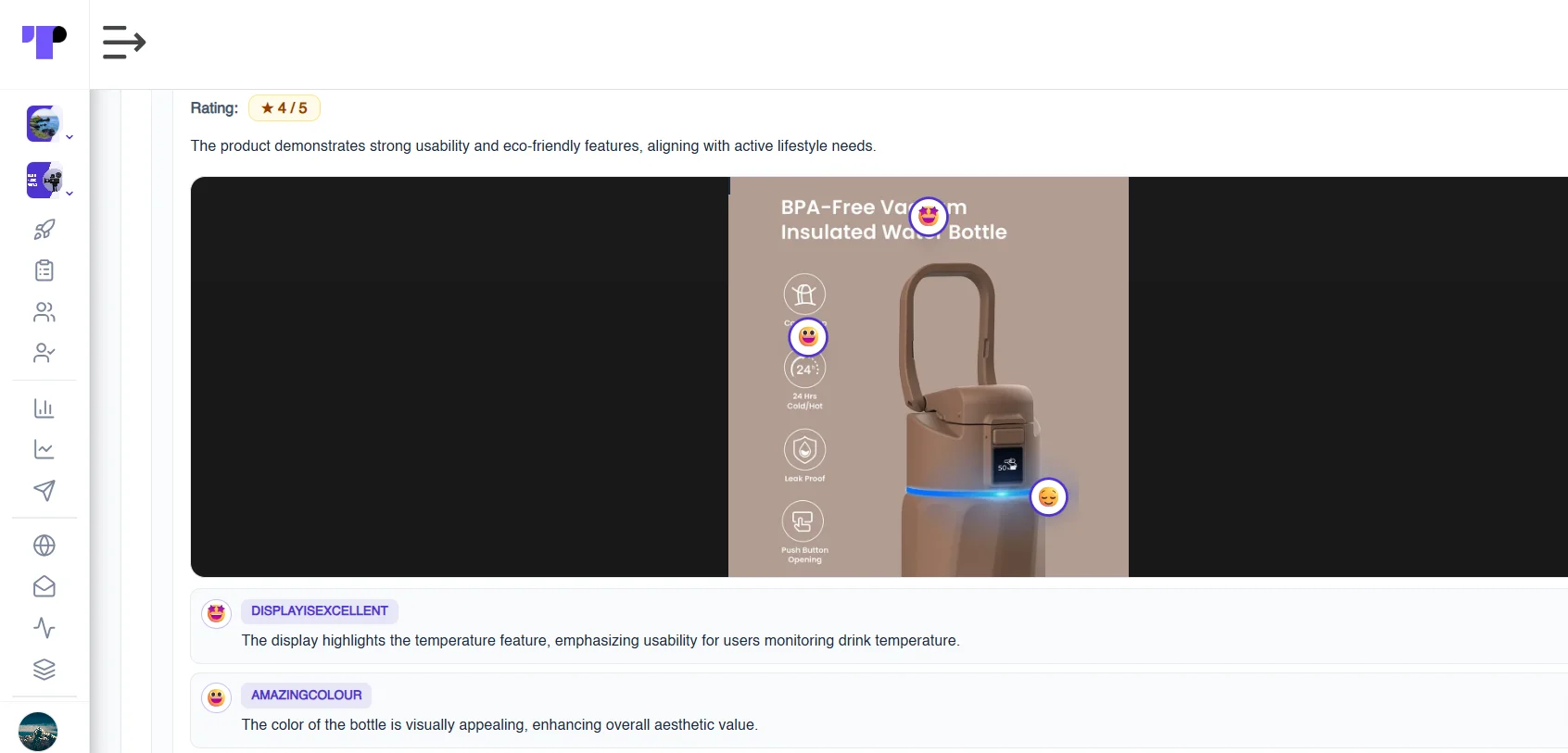
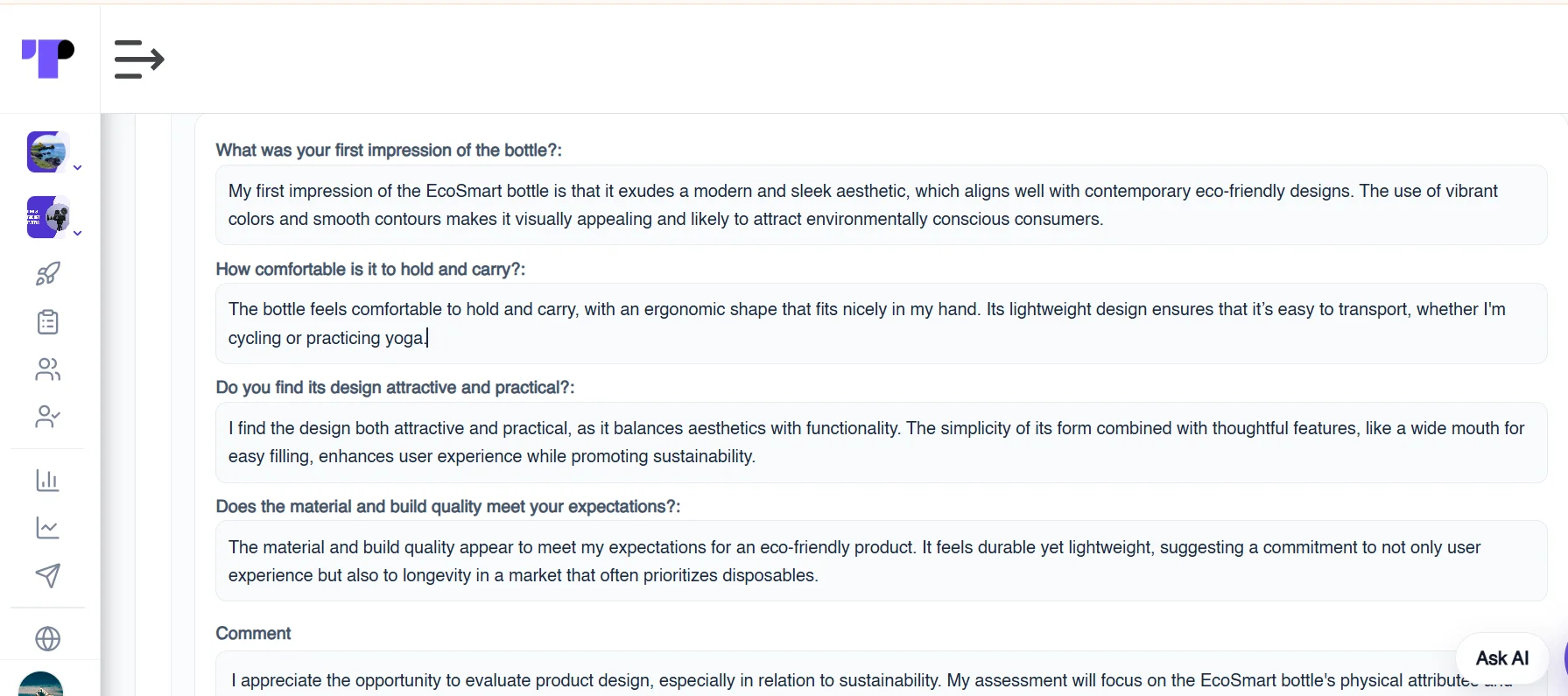
Synthetic audiences can help researchers explore potential reactions to prototype images, product descriptions, packaging designs and individual features. They can compare alternative versions and investigate how different audience profiles might perceive their usability, appearance and functionality.
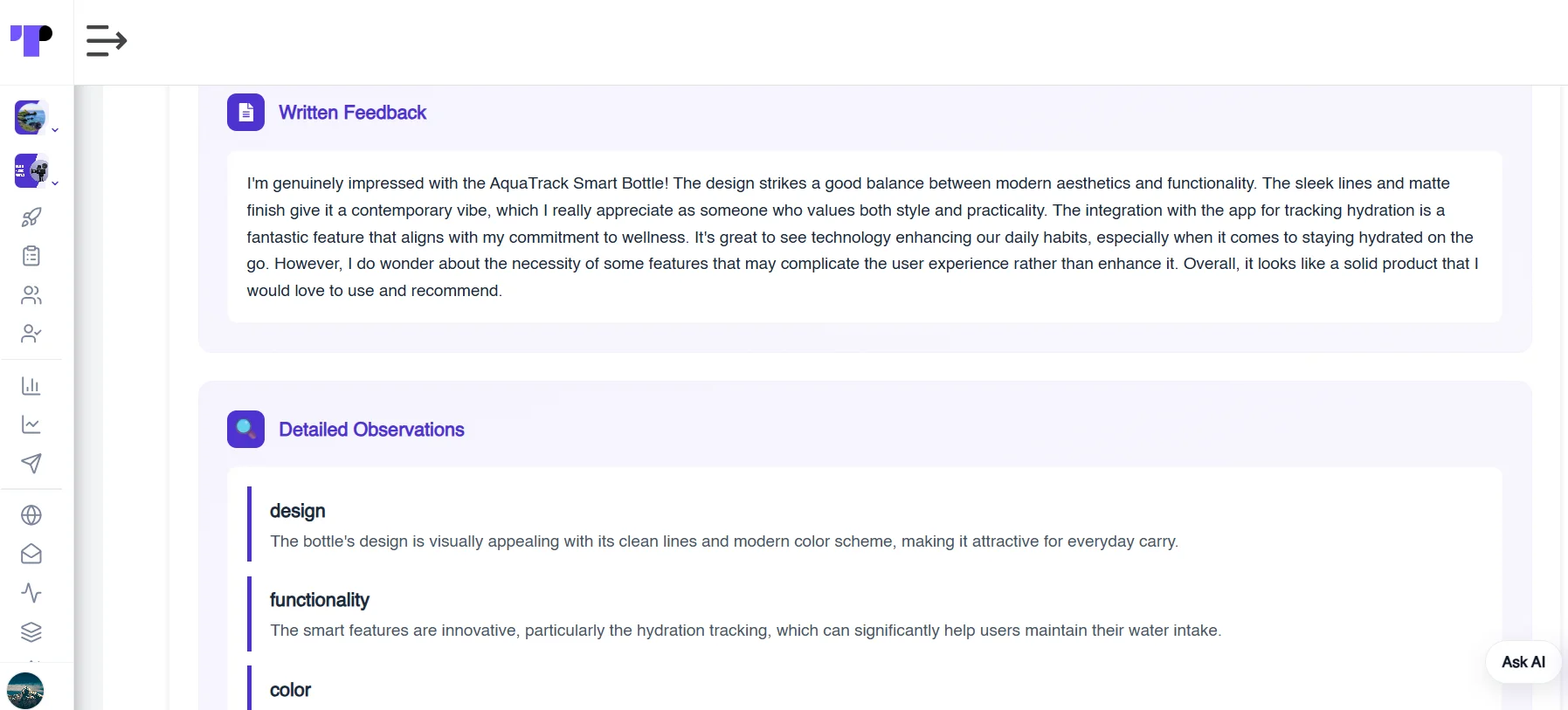
For example, a company is developing an AquaTrack Smart Bottle. After validating its concept through concept evaluation, the company moves to the prototype development stage. However, before launching the product in the market and proceeding with large-scale production, it conducts pilot testing to gather feedback from potential buyers and consumers.
Researchers can ask participants to review the prototype and evaluate it across several areas:
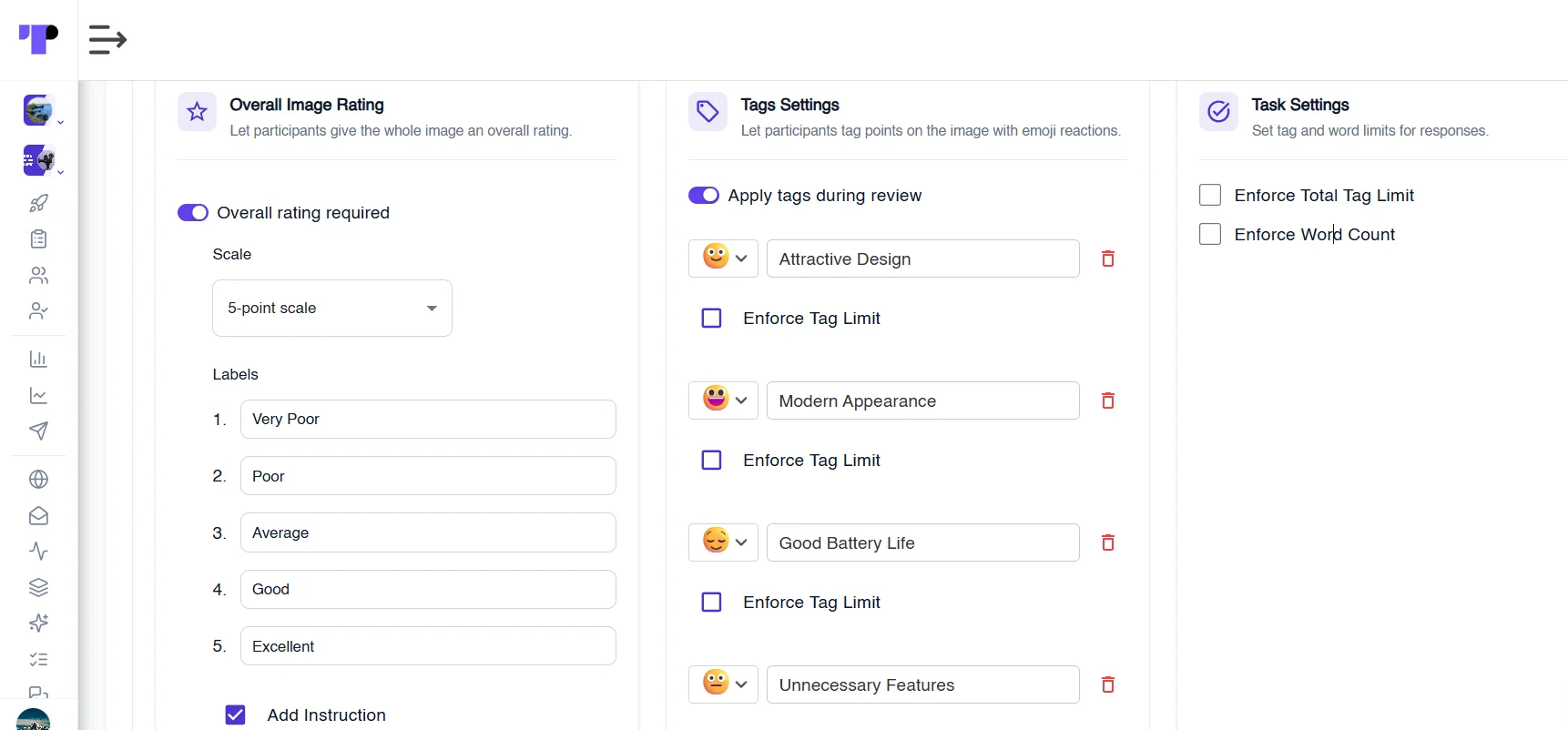
- Design and appearance: How appealing does the product look?
- Feature evaluation: Which functions do consumers find most useful or unnecessary?
- Usability: Are the proposed features easy to understand and accessible to different consumer groups?
- Affordability: Does the product appear worth its expected price across different consumer segments?
- Improvement opportunities: What changes could make the product more appealing and increase its purchase potential?
Researchers can also compare multiple prototype versions to explore potential preferences before conducting usability studies and product trials with actual consumers.
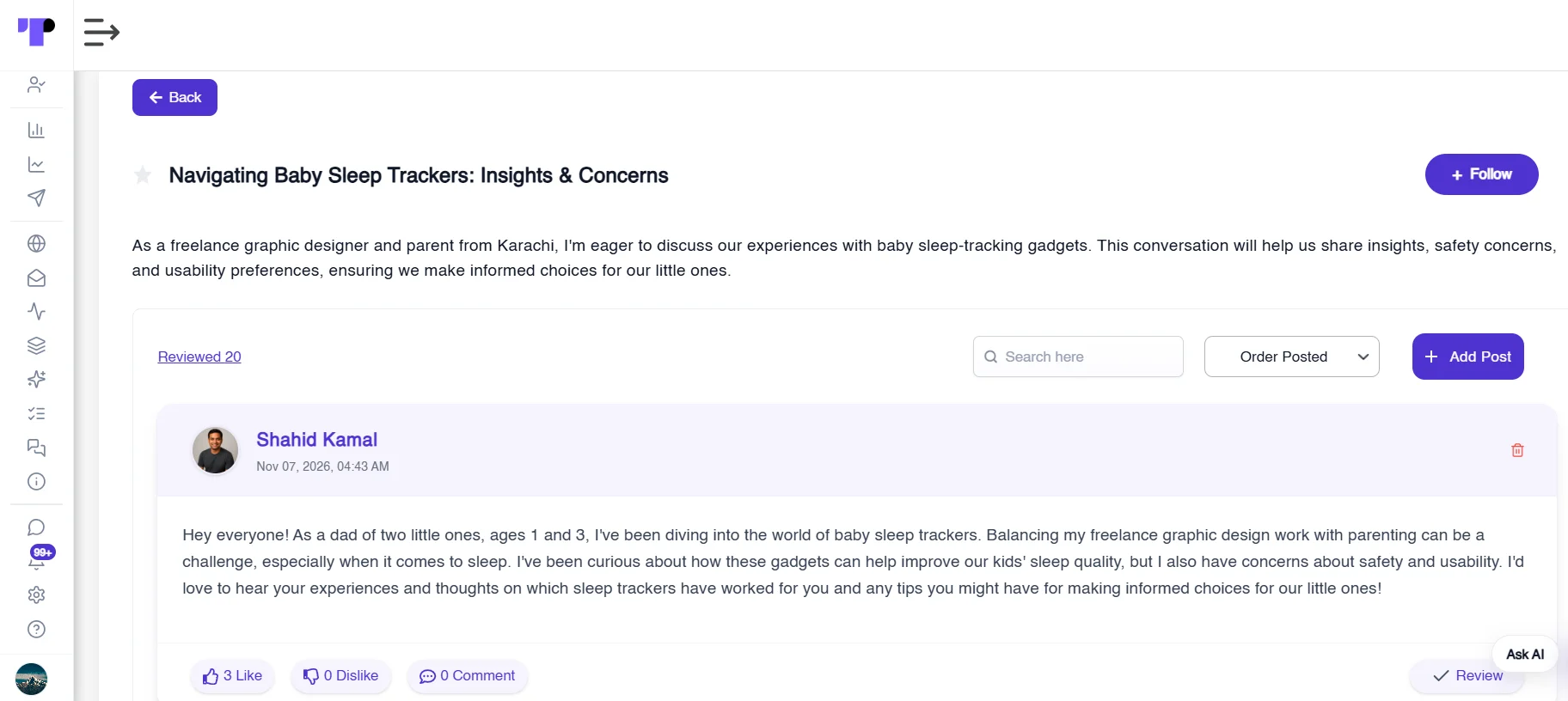
Terapage is not limited to synthetic audiences and structured research activities. It also supports open community discussions, allowing businesses and organisations to explore consumer needs, experiences and expectations. Through these discussions, researchers can understand whether a particular community actually needs a new product or concept, what problems it could address, and how potential consumers perceive its value before investing in its development.
Consumer Insights: Turning Responses into Meaningful Findings
Collecting responses is only one part of market research. Understanding what those responses reveal about consumer preferences, expectations and concerns is equally important. AI-powered analysis tools are helping researchers organise large volumes of qualitative feedback, identify recurring themes and explore patterns across different audience profiles.
Instead of manually reviewing every response, researchers can use several analytical approaches to make the findings easier to interpret.
Sentiment Analysis
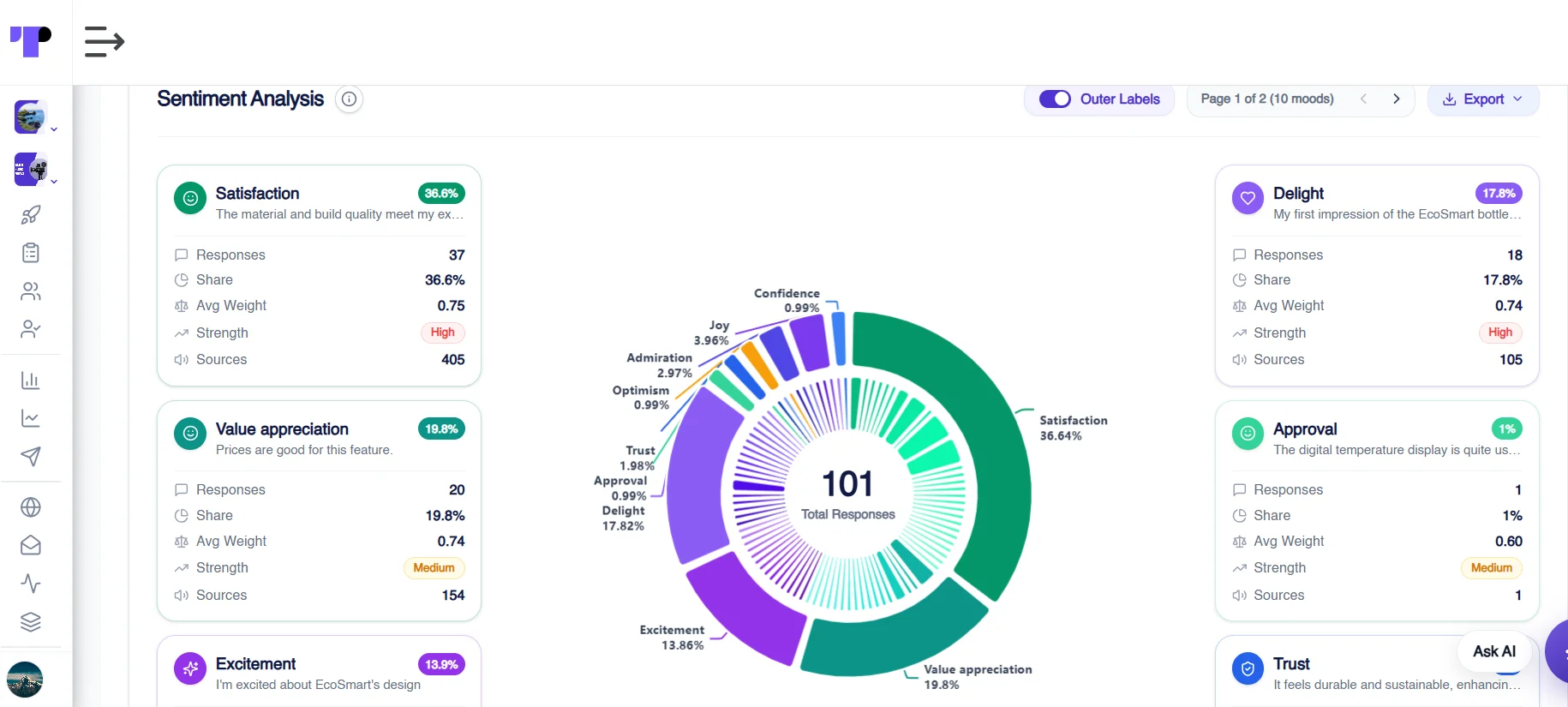
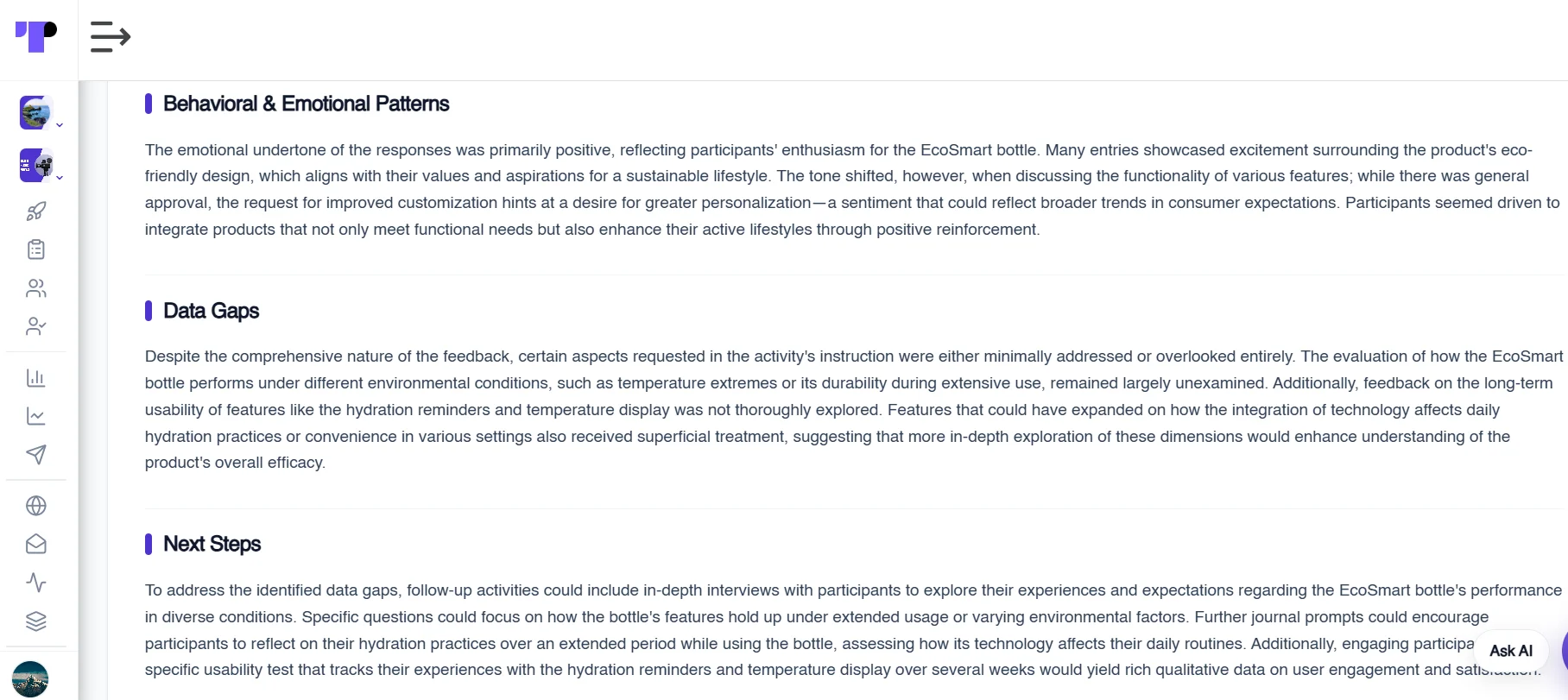
Sentiment analysis in Terapage automatically categorises participant responses based on their expressed tone, including positive, negative and neutral sentiments. It helps researchers identify overall consumer perceptions, satisfaction levels and areas of concern. The analysis also highlights recurring sentiment patterns across responses, making it easier to understand how participants feel about a product or concept. Researchers can explore individual sentiment categories, review supporting responses and export the findings for further analysis.
For example, feedback about the AquaTrack bottle might include positive reactions to its hydration reminders, neutral comments about its appearance and negative opinions about its expected price.
Identifying Research Gaps and Unmet Needs
AI-powered analysis can also help highlight recurring concerns, unanswered questions and areas where a product concept may not fully address consumer expectations.
For example, several responses might indicate that users appreciate the hydration reminders but are concerned about battery life or the need to connect the bottle to a mobile application.
Identifying these recurring concerns can help researchers recognise potential product gaps and explore opportunities for improvement.
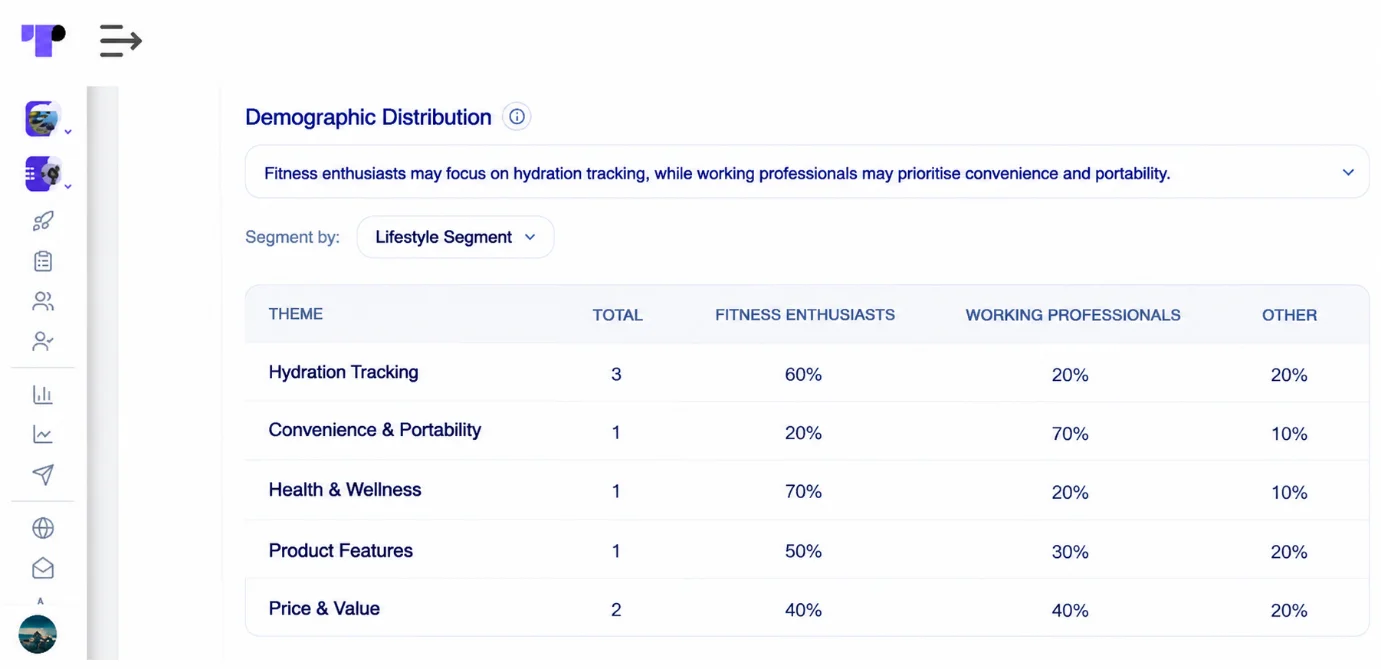
Comparative Analysis Across Audience Segments
Researchers can also examine how responses differ across synthetic audience profiles. For instance, fitness enthusiasts may focus on hydration tracking, while working professionals may prioritise convenience and portability. Comparing these perspectives helps researchers explore how different audience characteristics may influence product perceptions and expectations.
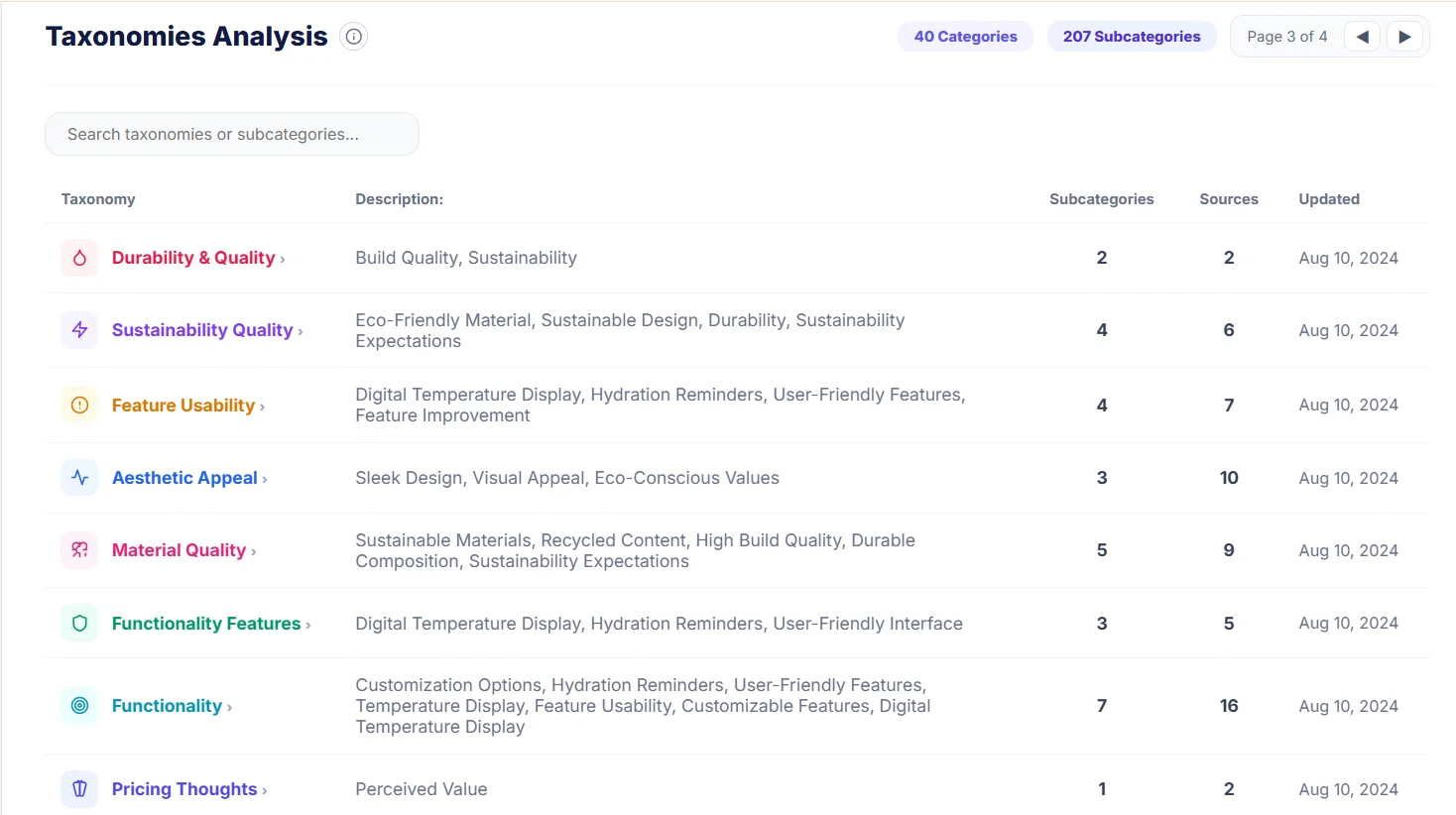
Rich Taxonomies and Thematic Categorisation
Rich taxonomies help organise unstructured consumer feedback into meaningful categories and subcategories.
For a smart water bottle study, responses could be grouped under broader themes such as:
- Product design: appearance, colour, size and portability.
- Functionality: hydration reminders, temperature display and tracking.
- Usability: ease of use, application integration and convenience.
- Purchase considerations: price, perceived value and brand preference.
- Product concerns: battery life, maintenance and durability.
These categories allow researchers to examine specific themes, compare findings and identify relationships between different aspects of consumer feedback.
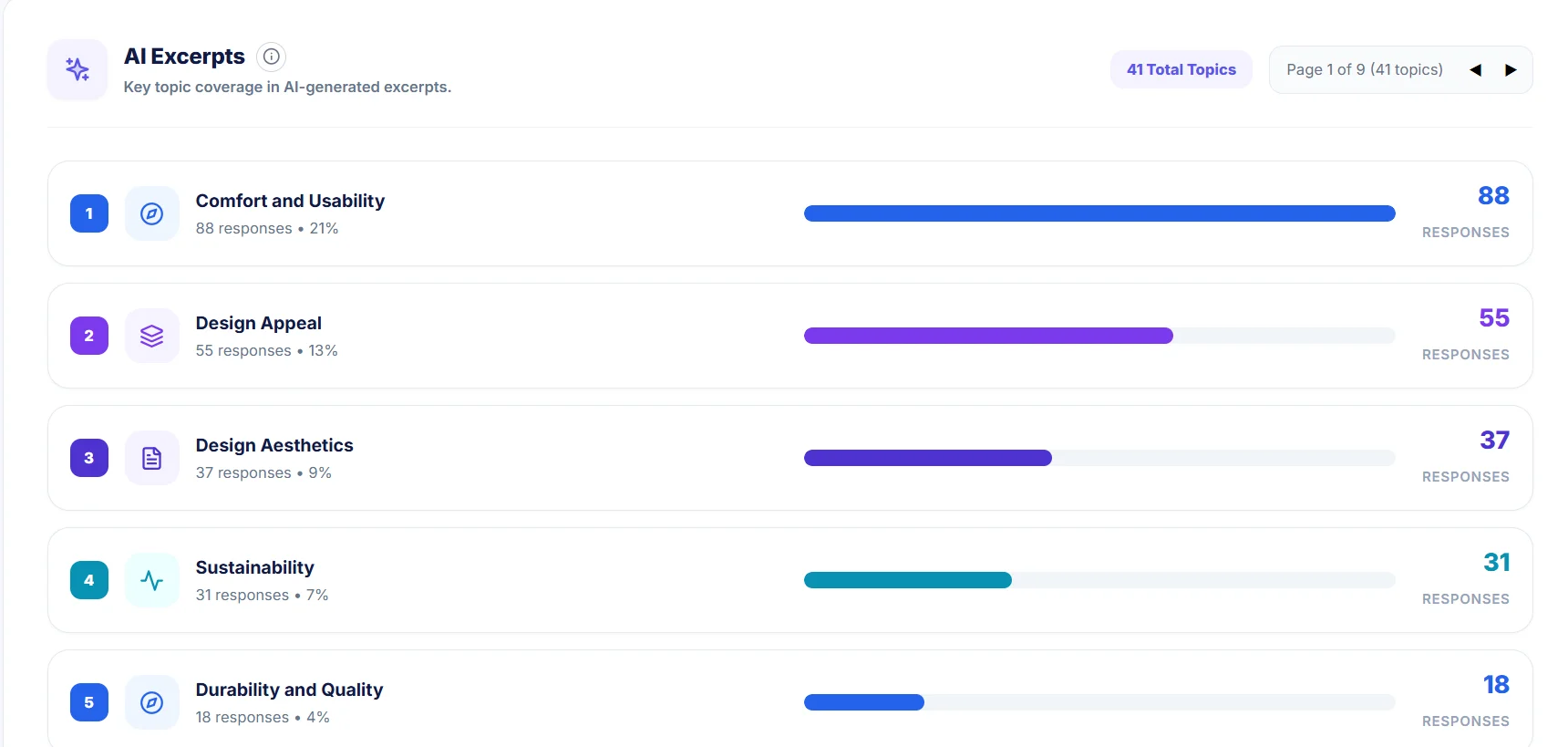
The Future of Consumer Research with AI-Powered Synthetic Audiences
Consumer research is gradually moving beyond lengthy surveys, low participation rates and delayed findings. Synthetic audiences offer businesses a way to explore consumer perspectives, evaluate initial concepts, compare product alternatives and identify potential gaps before investing in product development. By creating diverse AI personas with different demographic, professional, financial and behavioural attributes, researchers can examine how different audience segments might respond to a product or idea.
With AI-powered research capabilities, businesses can go beyond conventional questionnaires and explore concepts through interviews, polls, surveys, journal diaries, image reviews, ratings and open community discussions. Combined with AI-powered analysis, these activities help identify recurring themes, consumer preferences, concerns and opportunities for improvement.
Platforms such as Terapage bring these capabilities together, allowing researchers to create synthetic audiences, conduct multiple research activities and generate insights within a single workspace.
Synthetic findings only provide a valuable starting point for exploring assumptions and making more informed decisions. Therefore, they should be validated through research with real consumers.
The future of consumer research is not simply about collecting more responses, but about understanding potential consumers, testing ideas earlier, and turning insights into better product decisions.
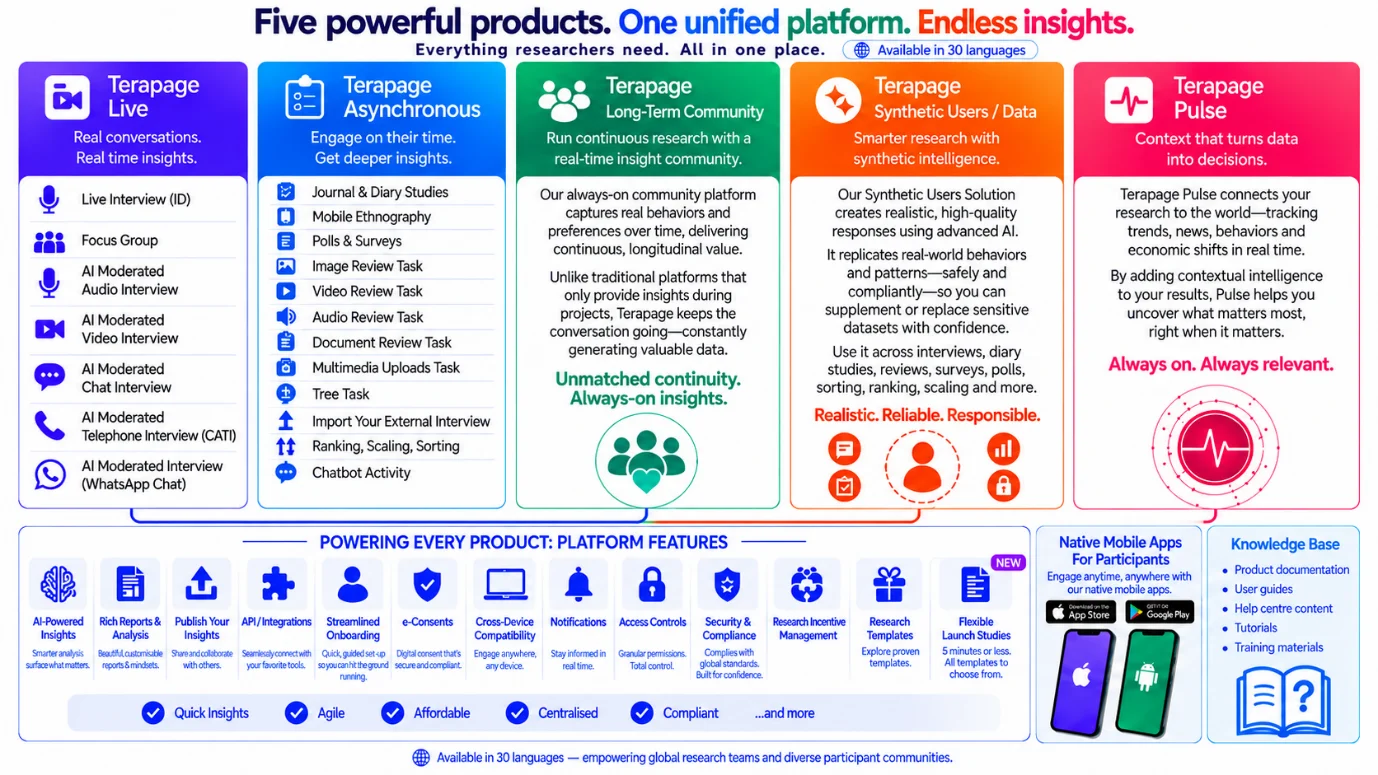
Figure 24: Terapage, an AI-powered all-in-one market research platform.