Sign up with Google
 Sign in with Zoho

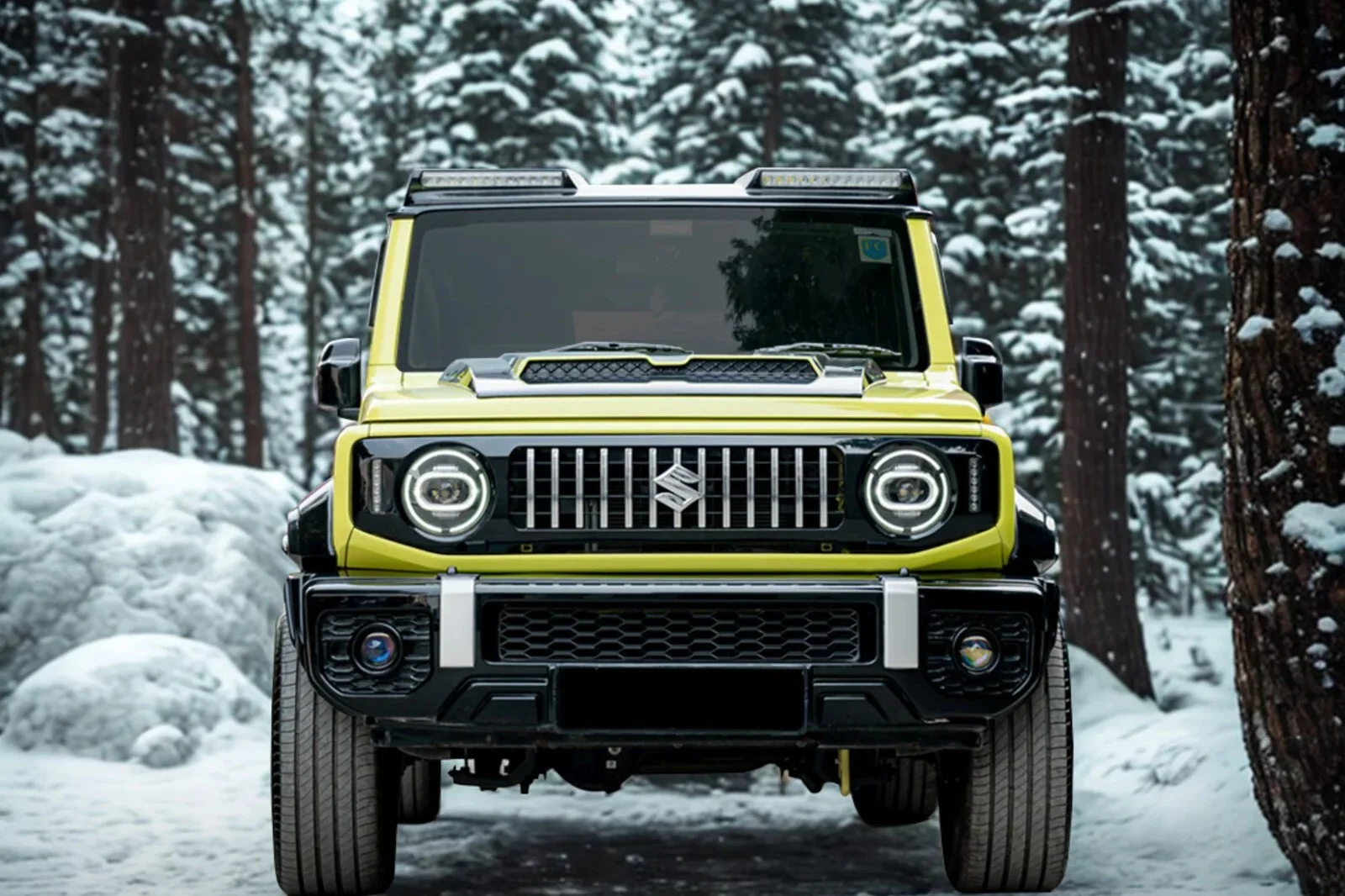
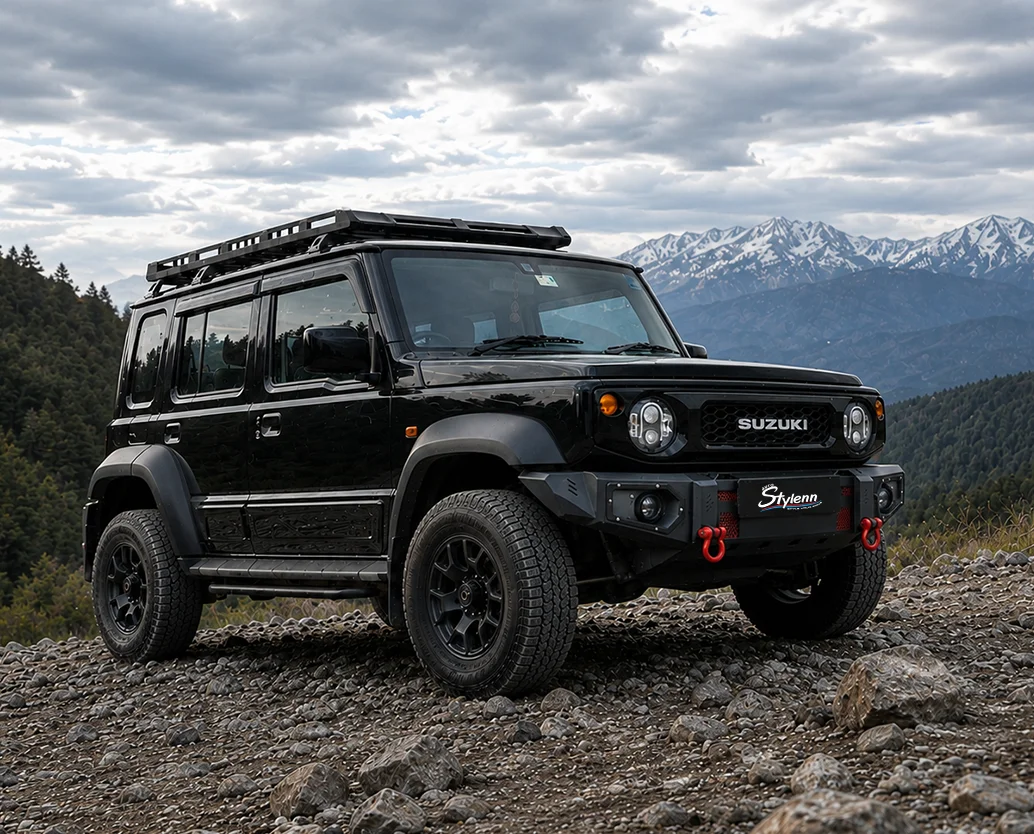
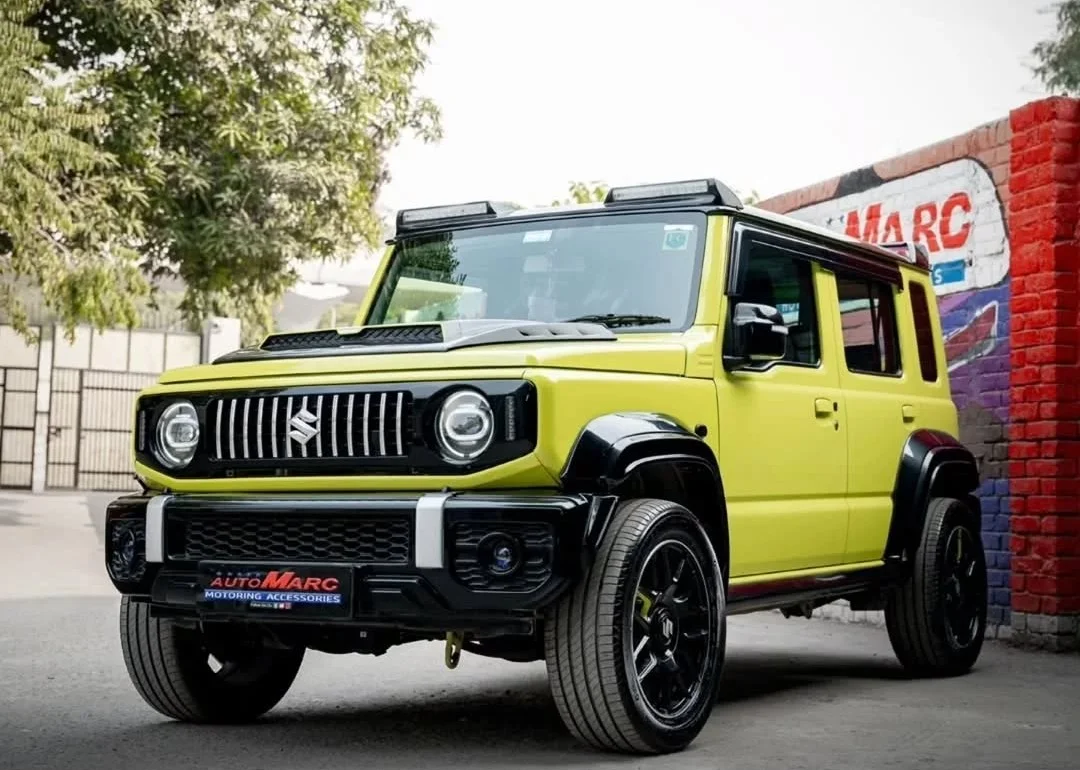
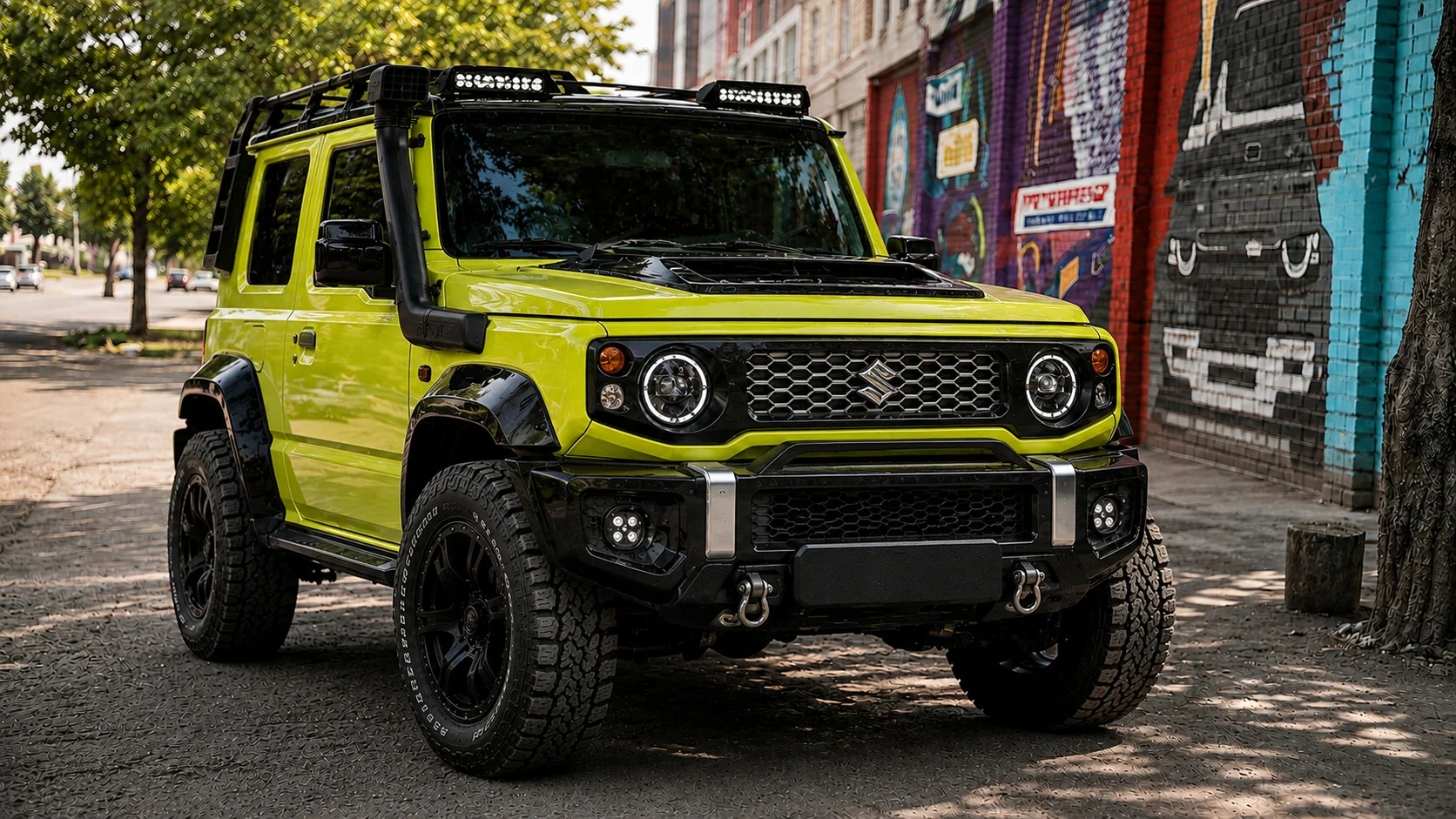
Ever notice how no two Jimnys look alike at an owners' meet? Went to one a while back and it was the same story every time — one car kitted out for serious trail work, snorkel and reinforced bumper and all, parked two spots down from one that's barely been touched beyond a windshield sticker and some interior bits. That's the whole point, really. It's what you get when a car builds a genuine following and an aftermarket scene grows up around it fast — which is exactly what's happened with jimny accessories since Maruti Suzuki brought the JB74 to India.
The Jimny sits in a weird spot in the Indian market, if you think about it. Small car, genuinely capable off the tarmac, and priced just right to pull in a specific kind of buyer — someone who wants a real 4x4 without going all the way up to a bigger, way more expensive SUV. And that buyer usually likes tinkering. They're on forums, they're asking questions, they'll spend actual time hunting down the right suzuki jimny accessories that fit how they drive, not how the car looks in some catalogue photo.
A Car That's Basically Half-Finished From the Factory
Honestly, a lot of this whole customisation thing comes down to the car itself. Maruti Suzuki kept the base Jimny pretty minimal — which, fair enough, most manufacturers do this to hit a price point. But it means the cabin's got barely any storage. The stock bumper's okay for daily driving, not built for real trail impact. And the headlights? Fine in the city, but the second you're on a dark highway outside town, you feel their limits pretty quick.
None of this is some Jimny-specific flaw, to be clear — most cars in this segment ship lean to save cost. What's different is how owners react to it. Because this car's got such a strong community and such a clear off-road identity attached to it, the aftermarket's grown way faster than you'd expect for something that's still, by raw numbers, a pretty niche seller in India.
What People Actually Buy First
Talk to enough owners across different cities and a pattern shows up pretty fast, even when the final builds look nothing like each other.
Interior stuff usually comes first — dashboard trays, phone mounts, a better cup holder setup. Small fixes for the most annoying problem, which is a cabin that just doesn't have enough storage to begin with. Cheap, screwdriver-install, and you notice the difference every single drive. That's probably why it's where most new owners start.
Lighting tends to be next, especially if someone's driving outside city limits a lot. Stock headlights are calibrated for general use, and people spending time on hill roads or badly-lit highways will tell you LED fog lamps aren't just about looking good at night — they actually change what you can see.
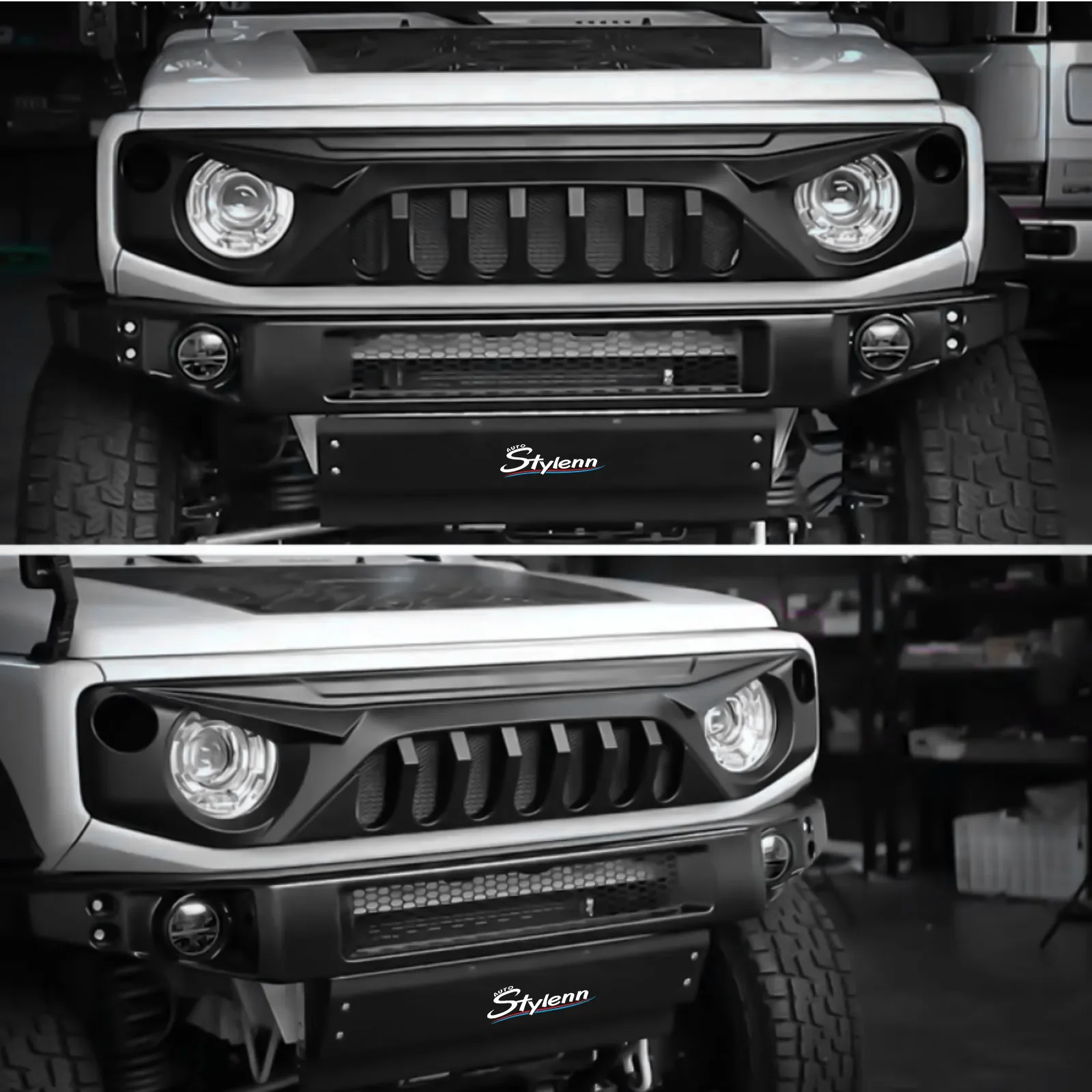
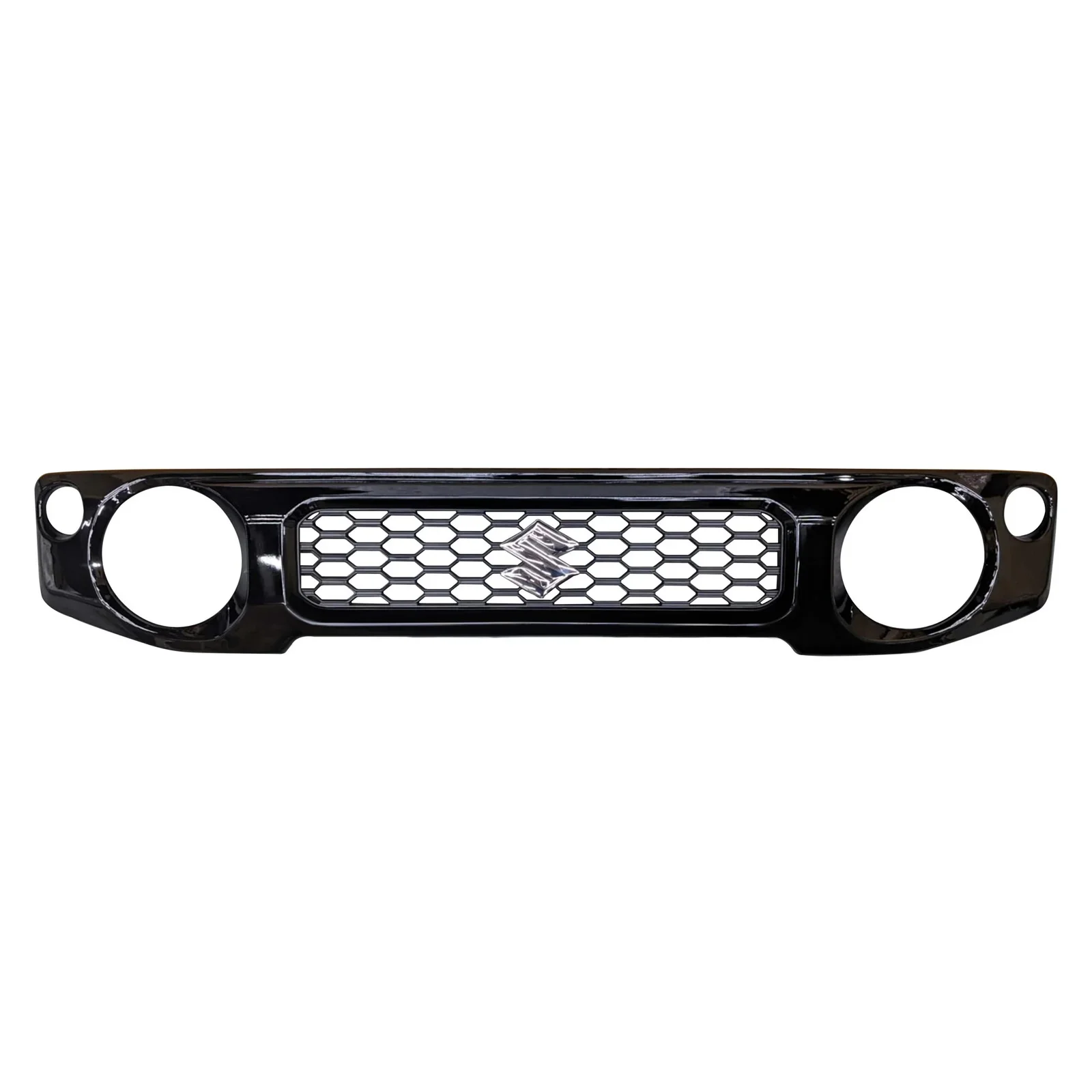
Then there's exterior protection, and this is where it gets serious. Bumpers, underbody skid plates, snorkels. This category only really makes sense if off-roading's a regular thing for you, and the price reflects that — a cosmetic bumper and an actually protective one can look nearly identical in a product photo while being made from completely different material. Which is exactly why people should slow down and research this category more than any other before buying. From what sellers in this space hear in buyer conversations, this is usually where the real questions start — not about looks, but about what's actually holding the thing together.
The Fitment Thing Nobody Really Warns You About
Here's something that comes up again and again in forums and owner groups across the jimny accessories india space — fitment confusion between the older Jimny and the current JB74, which has been sold here since 2018. Body dimensions and mounting points differ between the two, so stuff built for one doesn't always just bolt onto the other, even if the listing photos make it look like a perfect match. Newer buyers get caught out by this a lot. Worth checking your generation twice before ordering anything structural — returns on exterior parts turn into a whole mess once something's already been fitted.
Where People Are Actually Buying From Now
There's been a real shift in the last couple of years in how Indian Jimny owners source their parts. Dealerships still only stock two or three factory-approved options per category, tops, which pushes people toward specialists who focus on jimny accessories online rather than a showroom shelf. Specialist sellers tend to carry way more range — materials, styles, price points — than any dealership could ever offer, and word-of-mouth through owner groups has become one of the main ways people figure out who's actually worth buying from.
Prices swing quite a bit depending on category. Small interior stuff usually starts under ₹1,000. Mid-tier pieces — dashboard trays, armrests — sit somewhere between ₹1,200 and ₹6,000. The bigger exterior components, protective bumpers, premium lighting kits, start around ₹10,000 and can climb past ₹25,000 depending on how well it's built.
The Real Growth Is Happening in the Middle, Not at the Top
It's easy to get pulled toward the flashy, fully-kitted off-road builds because they photograph well. But the more interesting shift is actually in the middle of the market — owners who aren't hardcore off-roaders but still want something comfortable and a little safer for how they drive day to day. That's where jimny accessories are seeing the most demand right now, honestly. Practical fixes for real problems, not aspirational gear that'll sit unused most of the time.
This move toward buying based on actual use, rather than just wanting to look the part, says something about the market growing up a bit. Early buyers wanted to make a statement. This newer wave is asking more useful questions — does this actually solve something for me, and will it hold up?
Frequently Asked Questions
Q : Is the accessory boom about more off-roading, or is it mostly styling?
A : Bit of both, but from what the community says, functional buys — storage, lighting — outnumber pure styling purchases by a good margin. Off-road-specific gear stays a smaller, more committed niche.
Q : Are Indian-made accessories actually as good as imported ones?
A : Depends more on the manufacturer than the country at this point. A few domestic names have built a real reputation specifically around Jimny fitment, and honestly some of them beat generic imports that weren't made with Indian roads in mind.
Q : Why do some owners wait months before buying anything?
A : Common advice you'll hear a lot — drive it stock first. Figure out what you actually need instead of guessing before you've even lived with the car.
Q : Does adding aftermarket stuff hurt resale?
A : Mixed opinions, honestly. Cosmetic mods can shrink your buyer pool at resale time. Functional, properly-installed protective gear sometimes gets seen as a plus, especially by off-road buyers.
Q : What's missing most in this market right now?
A : Proper installation guidance, probably. Sellers often assume you already know how to fit what you're buying, and that leaves less experienced owners either winging a DIY install or paying extra for fitting they didn't plan for.
Bottom Line
The Jimny aftermarket here is still young next to more established SUV platforms, but it's catching up fast, pushed along by an owner base that's genuinely engaged and increasingly clued in. What started as a niche interest is turning into an actual ecosystem — specialist sellers, community-vetted picks, buyers who know what they want. That shift has played out clearly through the questions and orders coming in over the last couple of years. If you're figuring out the right jimny accessories for your own car, the advice from the community stays pretty much the same: buy for how you drive, not how someone else's build looks in a photo.