Sign up with Google
 Sign in with Zoho

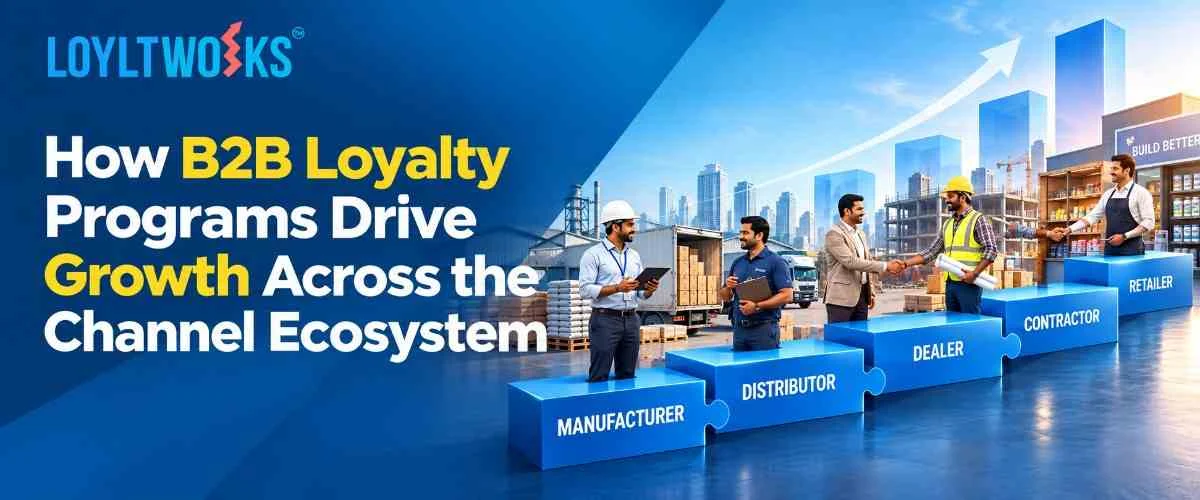
In B2B, offering competitive prices is important, but it is rarely enough to build lasting business relationships. Manufacturers and brands also need to earn the trust of their distributors, dealers, retailers, and other channel partners.
Traditional loyalty programs have largely focused on points, discounts, cashback, and promotional rewards. These incentives still have a place, but businesses are beginning to recognize that partner loyalty depends on more than rewards alone. Consistent communication, relevant benefits, recognition, and opportunities for business growth all play a role.
This is particularly true in industries where companies rely on extensive distribution networks. A distributor may purchase from a manufacturer today, but maintaining that relationship over time requires ongoing engagement and a clear understanding of what each partner needs.
So, how can businesses build loyalty programs that support more than short-term sales?
The answer lies in combining a well-planned loyalty strategy with technology that makes partner engagement easier to manage and measure.
Why Traditional Loyalty Programs Need a Fresh Approach
Many businesses continue to motivate channel partners through volume-based incentives, seasonal promotions, and reward schemes. While these approaches can encourage purchases, they do not always give partners a reason to remain engaged once a campaign ends.
Consider a manufacturer working with hundreds of dealers and retailers. One dealer may be motivated by better margins, while another may value product training, faster support, or recognition for consistent performance. A small retailer may have entirely different priorities from a large distributor.
A single reward structure may not address all these needs.
Businesses therefore need to look beyond purchase volumes and consider other aspects of partner engagement, including participation in campaigns, product knowledge, purchasing patterns, and long-term involvement with the brand.
For a manufacturer, loyalty shouldn't begin and end with a sales incentive. Dealers and distributors need reasons to stay engaged between purchases, too. Regular product updates, useful training, timely rewards, and recognition for their contribution can all help keep the relationship active.
1. Build Business Relationships That Encourage Long-Term Growth
A strong B2B loyalty program should create value for both the business and its partners. The aim is not simply to reward purchases, but to encourage activities that contribute to a healthier business relationship.
Depending on the industry and program objectives, companies can:
- Reward consistent purchasing and continued participation.
- Recognize partners who achieve agreed sales or business targets.
- Offer rewards that reflect different partner preferences.
- Encourage participation in product training, launches, and promotional campaigns.
- Provide clear information about points earned, reward eligibility, and achievements.
These initiatives give partners a better understanding of how their participation benefits them and what they can work towards.
A loyalty platform can help manage these activities in one place, from tracking partner participation to automating rewards and monitoring campaign performance. This also reduces the effort involved in coordinating multiple incentive initiatives.
Ultimately, the focus should be on making the relationship more valuable for both sides, rather than simply increasing the number of rewards offered.
2. Choosing Loyalty Technology That Fits Your Business
As a loyalty program grows, managing it through spreadsheets, manual calculations, and separate communication channels becomes increasingly difficult. Delayed rewards, inconsistent records, and limited visibility into campaign results can affect both the business and the participant experience.
This is where technology becomes useful.
Loyalty management software can help businesses organize partner data, automate reward allocation, manage campaigns, and track engagement. It also gives program managers a clearer view of how participants are responding to different initiatives.
However, choosing a solution involves more than comparing features.
When evaluating a loyalty management company, businesses should consider whether its platform can accommodate their existing processes and support future growth. Important factors include customization, integration with existing systems, reporting capabilities, security, scalability, and ease of use.
The platform should also make participation straightforward. Partners need to understand the program rules, check their progress, and access their rewards without unnecessary complications.
Most importantly, the technology should help businesses connect loyalty activities with meaningful outcomes, such as partner retention, repeat purchases, and improved participation.
3. Why B2B Loyalty Deserves Greater Attention
B2B loyalty differs from consumer loyalty because business purchasing decisions involve several considerations. Price and convenience matter, but so do product availability, credit terms, service quality, margins, and the strength of existing commercial relationships.
For manufacturers, these factors make dealer and distributor engagement an important part of business strategy.
A dedicated B2B loyalty company can help organizations develop programs suited to the needs of their channel partners rather than relying on consumer-focused reward models.
For example, an automotive spare-parts manufacturer could reward dealers for eligible purchases, product training, or participation in sales initiatives. A building materials company could recognize retailers and trade influencers who participate in product education and promotional campaigns.
The specific activities should depend on the company's objectives and the responsibilities of its participants.
With suitable B2B rewards software, businesses can establish earning rules, manage campaigns, automate reward distribution, and give partners visibility into their progress. These capabilities make incentive programs easier to administer, particularly when multiple partner groups and regions are involved.
A clear program structure also helps partners understand what is expected of them and how their participation translates into benefits.
4. Channel Loyalty Is About More Than Sales Incentives
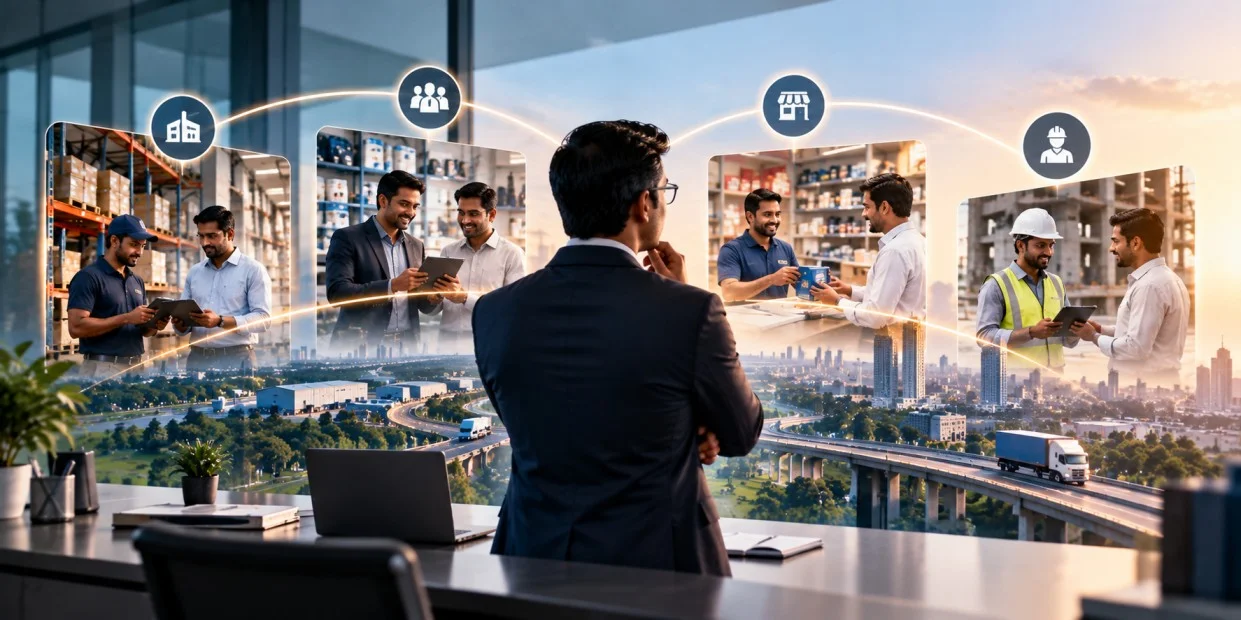
Manufacturers often depend on distributors, dealers, and retailers to make their products available and reach the right customers. These partners influence product visibility, availability, recommendations, and purchasing decisions.
The challenge is that many channel partners work with several competing brands. Offering attractive incentives may help a company gain attention, but maintaining partner engagement requires a more consistent approach.
An effective channel loyalty strategy can combine rewards with communication, product education, recognition, and performance-based incentives.
For instance, a manufacturer could reward eligible sales, encourage participation in product launches, share updates about new products, and recognize partners who contribute to agreed business objectives.
Tracking participation across these activities also helps businesses understand which campaigns are working and where partners may need additional support.
Building Stronger Relationships With Channel Partners
A structured channel partners loyalty program allows companies to manage engagement across different partner categories without assuming that everyone has the same needs.
A distributor, for example, may be motivated by volume-based incentives and regional sales targets. A dealer might respond better to achievement-based rewards, while a smaller retailer may benefit from simpler earning rules and regular product updates.
Businesses can create different reward structures for these groups while maintaining a consistent program framework.
The key is to make the benefits relevant to each participant. When partners understand how the program supports their business, loyalty becomes part of the ongoing relationship rather than something that depends on a temporary promotion.
5. The Role of Mechanics in Automotive Loyalty Programs
In the automotive aftermarket, mechanics and service professionals often influence which brands and spare parts customers choose. Their product recommendations can affect workshop purchases, replacement-part decisions, and customer preferences.
Despite this influence, mechanics are not always included in formal brand loyalty initiatives.
A mechanic loyalty program gives automotive brands and spare-parts businesses a way to engage these professionals through relevant rewards, product education, recognition, and regular communication.
Depending on the program design, participants might earn rewards for eligible purchases, completing training, making verified referrals, or taking part in other approved activities.
For these programs to work well, the rules need to be clear and the rewards must be relevant to the people participating. Mechanics should be able to understand which activities qualify, how rewards are earned, and when those rewards can be redeemed.
Businesses should also consider how the program fits into the working routines of service professionals. A complicated registration process or unclear reward system can discourage participation, even when the benefits are attractive.
By including mechanics in their engagement strategy, automotive brands can build stronger connections with professionals who influence product selection and customer experience.
6. Make Loyalty Programs More Personal
Not every channel partner responds to the same incentive. Some prefer monetary rewards, while others value recognition, exclusive benefits, training, or access to useful business resources.
Personalization helps businesses account for these differences.
Using relevant program data, companies can group participants according to purchasing patterns, engagement levels, performance, and stated preferences. They can then adjust their communications, campaigns, and incentives to suit different groups.
For example, a newly enrolled dealer may need onboarding support and product information before participating in more advanced campaigns. A consistently high-performing dealer may respond better to milestone rewards or recognition. A retailer whose participation has declined may benefit from a targeted campaign that encourages renewed engagement.
These approaches make communication more useful and help businesses avoid sending the same messages to every participant.
Personalization should also be supported by responsible data practices, appropriate privacy safeguards, and clear communication preferences.
The objective is not to contact partners more frequently. It is to give them information and benefits that are relevant to their business needs.
7. Measure Loyalty Through Meaningful Business Results
A large number of registered participants does not necessarily mean a loyalty program is successful. What matters is whether partners are actively participating and whether the program is contributing to the business objectives it was designed to support.
Before launching a program, businesses should define what success looks like and establish a baseline against which results can be compared.
Useful performance indicators include:
- Active participant rate: The proportion of enrolled partners who engage with the program.
- Repeat-purchase frequency: How often eligible participants purchase within a defined period.
- Partner retention: Whether businesses are maintaining their relationships with participating dealers and distributors.
- Sales growth: Changes in sales among eligible participants.
- Reward redemption rate: The extent to which earned rewards are being redeemed.
- Campaign participation: How actively partners respond to individual initiatives.
- Cost per engaged participant: The cost of maintaining meaningful participation.
- Incremental revenue or contribution margin: Additional business value generated, where it can be measured reliably.
These indicators provide a more complete picture of program performance than enrollment figures alone.
Businesses should also interpret the results carefully. An increase in sales during a loyalty campaign does not automatically mean the campaign caused the increase. Seasonal demand, pricing changes, improved product availability, and other promotions may also influence sales.
Comparing performance against an appropriate baseline and considering these factors helps companies identify which initiatives are delivering value and which need adjustment.
Regular reviews also create opportunities to refine reward structures, improve communication, and address participation barriers.
8. What to Consider When Selecting a Loyalty Solution
Choosing a loyalty solution is an important decision, particularly for businesses managing large dealer networks or multiple distribution channels. The right platform should support current requirements without making future expansion unnecessarily difficult.
Before selecting a provider, consider the following questions.
Does the solution fit your business model?
The platform should support your participant groups, reward rules, business objectives, and incentive structures. A program designed for consumer purchases may not meet the needs of a manufacturer managing distributors and dealers.
Can it grow with your partner network?
As the program expands, the solution should be able to accommodate more participants, additional regions, and different campaign structures without creating excessive administrative work.
Does it offer useful reporting?
Program managers need clear information about participation, engagement, reward costs, campaign performance, and relevant business outcomes. Reports should help teams make decisions rather than simply present large amounts of data.
Can it integrate with existing systems?
Integration with relevant business systems can reduce duplicate data entry and improve the consistency of partner and transaction information.
Is it easy for partners to use?
Participants should be able to register, understand the rules, track their progress, and redeem eligible rewards without unnecessary steps.
Does the provider understand B2B and channel engagement?
Experience with dealer networks, distributor relationships, channel structures, and industry-specific incentive requirements can help ensure that the program reflects real business needs.
Evaluating providers against these criteria helps organizations choose a solution based on practical requirements rather than promotional claims alone.
The Future of Loyalty: From Rewards to Relationship Value
B2B loyalty programs are becoming more closely connected to partner engagement, business performance, and long-term relationship management. Rewards remain important, but they work best when they are part of a broader strategy.
Analytics can help businesses understand participation patterns. Automation can reduce the effort required to manage campaigns and rewards. Personalization can make communications and incentives more relevant to individual partner groups.
However, technology cannot compensate for a poorly designed program.
Businesses still need clear objectives, fair reward rules, useful benefits, consistent communication, and a genuine understanding of what their partners need. Without these foundations, even a sophisticated platform may struggle to maintain participation.
For manufacturers, automotive brands, building materials companies, distributors, and other B2B organizations, loyalty can be a practical way to strengthen channel relationships and support business growth.
The opportunity lies in treating loyalty as an ongoing business function rather than a series of disconnected promotional campaigns.
Final Thoughts
Sustainable B2B growth depends not only on acquiring customers but also on maintaining the relationships that keep products moving through distribution networks and influence future purchasing decisions.
A well-planned loyalty program can help businesses recognize partner contributions, encourage relevant activities, improve engagement, and measure performance more effectively. The results depend on choosing the right incentives, making participation straightforward, and continually improving the program based on actual outcomes.
For businesses exploring these opportunities, Loyltworks provides a starting point for understanding B2B loyalty, channel partner engagement, and loyalty technology.