Sign up with Google
 Sign in with Zoho

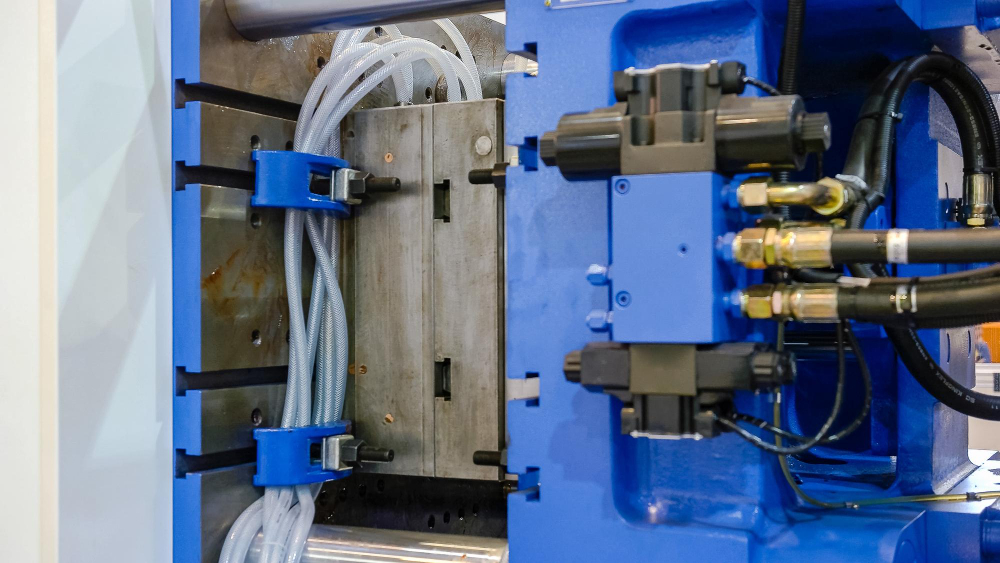
Manufacturing oversized plastic items brings a unique set of technical problems that never occur with molding smaller products. And usually, these projects struggle with uneven cooling and the sheer weight of the finished pieces. This is why success with large part injection molding in China requires a deeper knowledge of how liquid plastic behaves in a massive cavity.
Why Does Part Warping Occur?
Warping happens when different areas of a large plastic piece cool at different speeds. This temperature imbalance causes the material to pull and twist as it hardens into its final shape. So to help keep the part straight and flat, a controlled cooling system is built into the metal mold
How to Manage Slow Cycle Times?
Big parts need plenty of time to solidify before the machine can safely open the mold. This wait time can make production slow and increase the cost of every unit you buy. Adding more cooling lines inside the mold steel helps heat escape much faster during each run.
What Causes Sink Marks in Thick Areas?
Sink marks appear as small dents on the surface where the plastic is too thick to cool evenly. These flaws often show up on the opposite side of internal ribs or structural supports. Adjusting the injection pressure helps pack more material into these spots to keep the surface smooth.
Why Is Mold Venting a Problem for Big Parts?
Air can get trapped at the far ends of a giant mold as the melted plastic rushes inside. This trapped air creates burn marks or prevents the plastic from filling the cavity completely. Cutting tiny grooves into the mold edges allows the air to escape while keeping the plastic inside.
How to Solve Flow Line Issues?
Flow lines look like wavy streaks on the surface where two streams of plastic meet and cool. These marks are common in China’s large part injection molding because the material has to travel a long distance. So increasing the mold temperature helps the plastic stay liquid longer so the streams blend together perfectly.
What Are the Clamping Force Requirements?
Giant machines need to exert thousands of tons of pressure to keep the two halves of the mold shut. If the pressure is too low, plastic will leak out and create thin flaps called flash. So using a press with the correct tonnage keeps the edges clean and reduces the need for manual trimming.
How to Handle Material Waste?
Large parts use a massive amount of plastic, and even small mistakes can lead to a lot of expensive scrap. Regrinding clean waste material allows the factory to reuse the plastic for future production runs. This practice helps lower the total price of your project while keeping the factory floor clean.
How to Prevent Mold Damage?
The extreme pressure inside a big machine can cause the metal mold to wear down over time. Regular maintenance involves cleaning the vents and greasing the moving pins after every few thousand cycles. Proper care extends the life of your investment and keeps the part quality consistent.
What Are the Risks of Uneven Wall Thickness?
Parts with thin walls next to very thick sections are likely to crack or bend. Engineers suggest keeping the wall thickness as even as possible across the entire design. This balance helps the plastic flow smoothly and reduces the stress on the material as it shrinks.
How to Improve Part Strength?
Adding glass fibers to the plastic resin can make a large part much stiffer and more durable. These fibers act like a skeleton inside the plastic to help it hold its shape under heavy loads. This solution is perfect for industrial items like pallets or large equipment housings.
What Role Does Gate Placement Play?
The gate is the opening where the plastic enters the mold cavity. Placing the gate in the wrong spot can lead to weak points where the part is most likely to break. Engineers use computer models to see the best entry point for the plastic before they cut any metal.
What Are the Secrets to Consistent Color?
Mixing color pellets into a large batch of plastic needs a great deal of mechanical force to stay even. If the mix is poor, the large part might have swirls or light spots on the surface. Automatic dosing systems ensure that every gram of plastic gets the exact same amount of dye.
How to Speed Up Quality Inspections?
Checking a large part by hand takes a long time and leaves room for human error. Many factories use laser scanners to check the dimensions of a big part in just a few seconds. This technology helps catch small changes in the mold before a whole batch is ruined.
Key Takeaway
Solving technical issues early in the process helps in avoiding expensive delays and wasted material. The large part injection molding in China provides a way to get high-quality big parts for a much lower price. But even so, to make the most of your investment, it’s important that you plan for shipping times.