Sign up with Google
 Sign in with Zoho

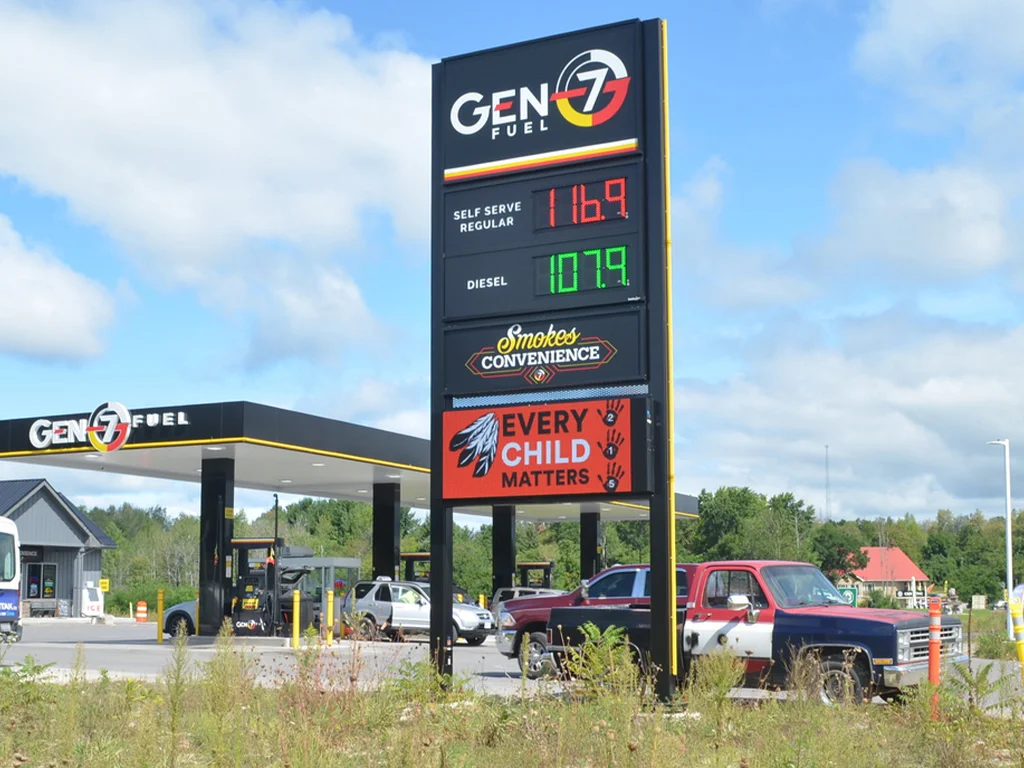
You've seen it happen. You drive past a row of shops, and one sign sticks in your head while the other five just... disappear. Same street, same sunlight, same foot traffic. So why does one business get remembered and the rest get scrolled past like background noise?
Here's the thing: most owners don't think about their sign for business outside until it's already too late. They slap up something cheap, call it done, and wonder months later why nobody's walking in. But the difference between a sign that pulls customers in and one that fades into the wall isn't luck. It's a handful of choices, made early, made on purpose.
Let's get into what actually makes a sign work.
It Starts With Being Seen, Not Just Existing
Think about your own commute for a second. How many signs do you actually notice versus how many just blur past your windshield? That's the real test any outdoor business sign has to pass, not "is it there," but "does it register."
A forgettable sign usually fails at the basics. The font's too thin to read from a moving car. The colours blend into the storefront instead of popping against it. Or the whole thing is crammed with text, like the owner tried to fit their entire menu onto a single board.
An eye-catching sign does the opposite. It picks one message and makes it loud. It uses contrast, dark letters on a light background, or a colour that doesn't show up anywhere else on the block. And it respects the fact that people have about two seconds to read it before they're gone.
Your Sign Has to Talk to the Right Person
Here's something a lot of business owners miss: a sign isn't decoration. It's a conversation starter with someone who hasn't walked through your door yet. If your sign doesn't speak to them, it doesn't matter how nice it looks.
You know your customer better than any designer does. So when you're picking words, colours, even the shape of the sign, you've got to think about who's actually going to be standing on that sidewalk. A law firm and a coffee shop shouldn't be reaching for the same look; one needs to feel sturdy and trustworthy, the other needs to feel warm and inviting.
This is where custom outdoor signs earn their cost. A template sign says "business is open." A custom one says, "This business is for you." That's a different message, and customers can tell the difference even if they couldn't explain why.
Visibility Isn't Just About Size
A bigger sign isn't automatically a better sign. You can have a massive board that nobody actually reads because it's mounted at the wrong height, lit poorly, or competing with five other signs nearby. Visibility is really about clarity, placement, and timing; size is just one piece of that puzzle.
Let's look at a few real examples of what this looks like in practice.
- A bakery on a busy corner swapped its small printed banner for a backlit sign with bold lettering and a simple croissant icon. Foot traffic at dusk and early morning, when the lighting outside was weak, picked up noticeably because the sign finally worked in low light rather than disappearing.
- A dental office near a highway exit had a sign packed with text: hours, services, insurance info, all crammed onto one board. They stripped it down to just the practice name and a single line – "New Patients Welcome", in larger letters. Readability from the road improved, and that's the only thing that mattered at 50 miles an hour.
- A boutique gym added motion to the mix with an outdoor digital sign that rotated between class times and a quick promo. Instead of a single static message, they had three chances to catch someone's eye at a single red light.
Each of these businesses didn't necessarily spend more. They just spent smarter, fixing whatever was quietly working against them.
Materials and Lighting Do More Work Than You'd Think
Here's a question worth sitting with: when's the last time you actually looked at your sign at night? Not glanced at it on your way out, but really looked, the way a stranger driving by would.
A lot of outdoor signs for business look fine during the day and turn into a flat, dark shape after sunset. That's a problem, because plenty of foot and car traffic happens in the evening, especially for restaurants, bars, and anything open past 6pm. If your sign goes quiet when the sun goes down, you're invisible for half the day.
Materials matter here too. Cheap vinyl fades and cracks within a year or two under direct sun, and a faded sign reads as a faded business, fair or not. Aluminum, acrylic, and properly sealed wood hold their color and shape far longer, which means the sign you install today still looks sharp two years from now instead of looking tired.
Digital Signs Are Changing the Game, But Not for Everyone
Outdoor digital signs have become a lot more common, and it's easy to see why. They let you change your message without paying for a whole new sign every time your hours or promotions shift. A single digital display can show your lunch special at noon and your happy hour deal at five, all on the same board.
That said, digital isn't automatically the right call for every business. A quiet boutique law office probably doesn't need a rotating LED display; it might actually undercut the steady, established feel they're going for. But a restaurant, a retail shop, or anything with frequently changing offers? That flexibility can genuinely pay for itself.
The point isn't that digital beats traditional. It's that the right format depends on what your business is actually trying to say.
So, What's the Real Takeaway Here?
Eye-catching signs aren't about spending the most money or going the biggest. They're about being intentional, choosing the right message, making it readable at a glance, and ensuring it still works when the lighting changes or the seasons turn.
Forgettable signs happen by accident, when nobody stops to ask if the sign is actually doing its job. Eye-catching ones happen on purpose, because someone took the time to think about the person walking by and what would actually make them look twice.
If your current sign hasn't been re-evaluated in a few years, it's probably worth a second look. You might be standing right next to the easiest fix your business never got around to making.