Sign up with Google
 Sign in with Zoho

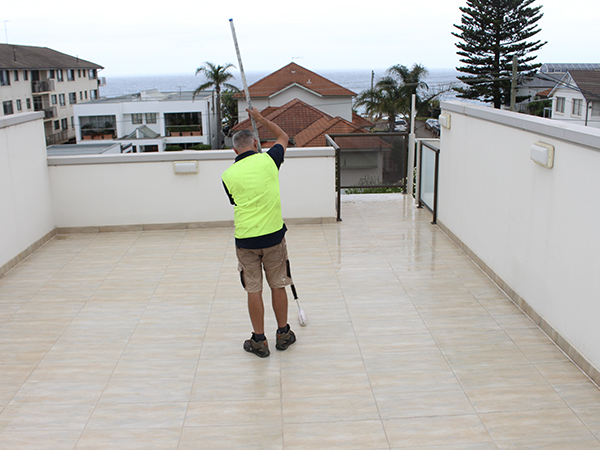
Balcony leaks are one of the most common yet overlooked issues in residential properties, often leading to structural damage, mold growth, and costly repairs if left untreated. Effective balcony sealing plays a crucial role in preventing water ingress and maintaining the long-term integrity of your home. Understanding the root causes and applying the right repair techniques can significantly improve both safety and durability.
Understanding the Causes of Balcony Leaks
Water leakage in balconies typically occurs due to poor construction practices, aging materials, or lack of proper maintenance. In many renovation projects, professionals find that inadequate slope for drainage is a major contributor. When water does not flow toward drainage outlets, it begins to pool and gradually penetrates through cracks and joints.
Another frequent issue is the failure of waterproof membranes beneath tiles. Over time, exposure to temperature fluctuations and moisture causes these membranes to degrade. Cracked grout lines, loose tiles, and damaged expansion joints also create pathways for water to seep into the underlying structure. In older buildings, efflorescence, which appears as white salt deposits, often indicates prolonged water exposure and internal moisture movement.
Identifying Early Warning Signs
Recognizing early signs of balcony leakage can prevent extensive damage. Water stains on ceilings below the balcony, peeling paint, or damp patches on adjacent walls are clear indicators. In professional renovation assessments, technicians often use moisture meters and thermal imaging tools to detect hidden leaks before they become visible.
Efflorescence is another important sign that should not be ignored. It not only affects the appearance of surfaces but also signals ongoing water penetration. Addressing this early through proper cleaning and repair ensures that deeper structural components remain protected.
Professional Repair Methods and Best Practices
Fixing balcony leaks requires a systematic approach rather than temporary fixes. The first step involves removing existing tiles and inspecting the substrate for cracks or damage. Any compromised concrete must be repaired using polymer-modified mortars that enhance bonding and durability.
Applying a high-quality waterproofing membrane is essential. Industry standards recommend using flexible, UV-resistant coatings that can withstand environmental stress. Proper curing time must be observed to ensure maximum effectiveness.
In the middle of the repair process, balcony sealing becomes critical, especially around joints, edges, and drainage outlets. These areas are the most vulnerable to water infiltration. Professionals use advanced sealants that provide elasticity and long-term resistance to cracking, ensuring that the balcony remains watertight under varying weather conditions.
Reinstallation of tiles should follow strict guidelines, including the use of waterproof adhesives and proper spacing for expansion joints. This prevents future cracking and maintains the integrity of the entire system.
Importance of Regular Maintenance
Even after professional repairs, regular maintenance is key to prolonging the lifespan of your balcony. Cleaning drains, inspecting grout lines, and checking for minor cracks can prevent small issues from escalating. In real-world renovation projects, properties that undergo annual inspections show significantly fewer cases of major water damage.
Efflorescence cleaning services also play an important role in maintenance. Removing salt deposits not only improves aesthetics but also helps identify areas where moisture may still be present. This proactive approach aligns with industry best practices and ensures long-term protection.
Enhancing Overall Home Protection
A well-maintained balcony contributes directly to the overall safety and value of your home. Water leakage can weaken structural elements such as beams and slabs, leading to serious safety concerns. Additionally, moisture intrusion creates an environment conducive to mold growth, which can affect indoor air quality and health.
Modern renovation services focus on integrating waterproofing solutions with structural reinforcement. This holistic approach ensures that balconies are not just repaired but upgraded to meet current building standards. Using high-performance materials and proven techniques reduces the likelihood of recurring issues.
Conclusion:
Fixing balcony leaks requires a combination of accurate diagnosis, professional repair methods, and ongoing maintenance. When done correctly, balcony sealing acts as a reliable barrier against water damage, protecting both the structure and the occupants. Partnering with experienced renovation specialists like United Trade Links ensures that repairs are carried out with precision, using industry-approved techniques that deliver lasting results.