Sign up with Google
 Sign in with Zoho
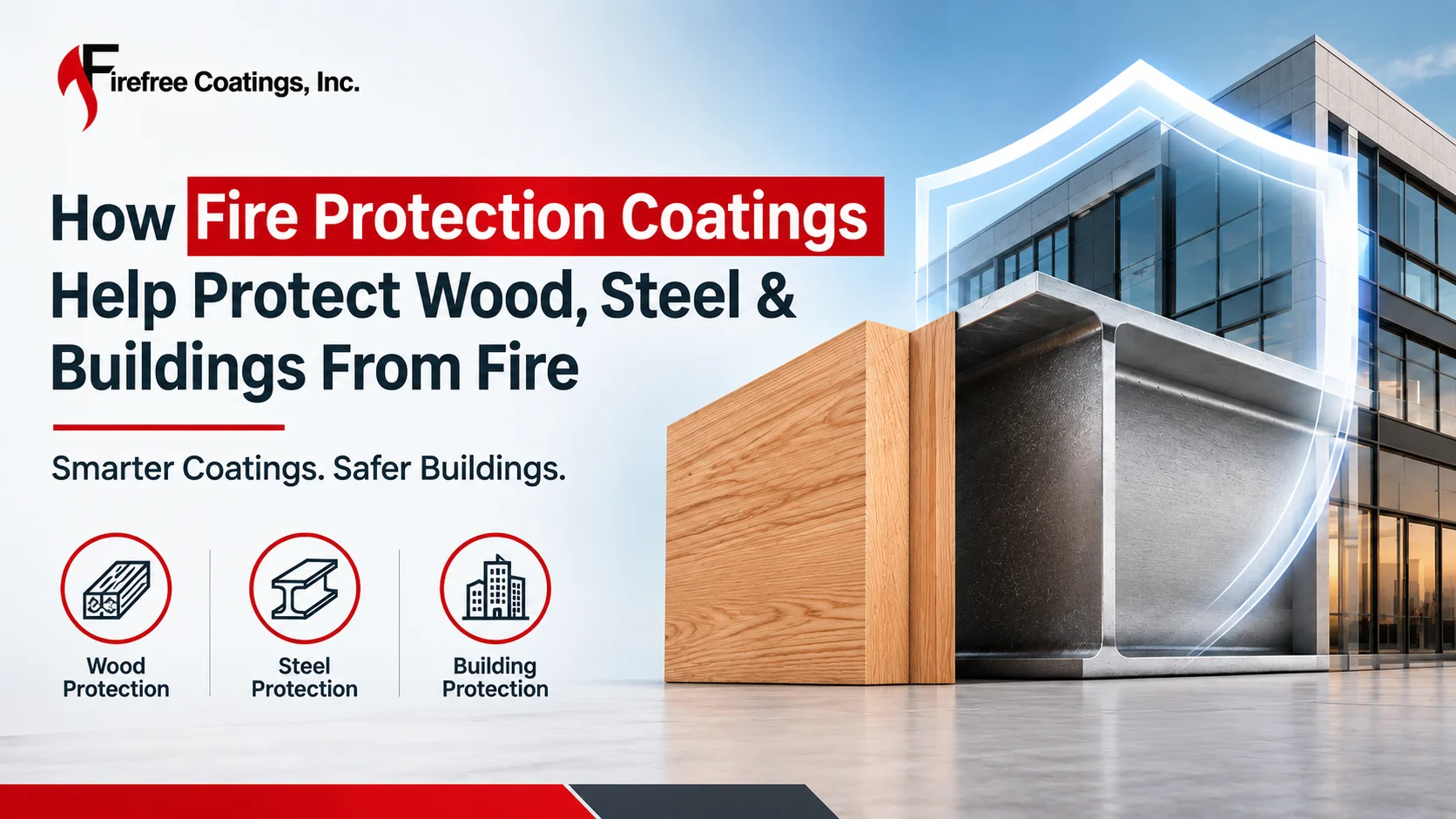
Fire safety is an important part of modern construction. From residential buildings to commercial properties, choosing the right materials and protective systems can help improve fire performance and support safer building designs.
One solution used for specific fire-protection applications is a fire protection coating. These specialized coatings are designed to help protect building materials from heat, flames, and fire exposure when properly tested and applied according to the manufacturer's requirements.
For U.S. architects, contractors, builders, and property owners, understanding the available coating options can make it easier to choose the right solution for a project.
What Is a Fire Protection Coating?
A fire protection coating is more than just another layer of paint. It is specially formulated to help a material perform better when exposed to high temperatures or fire. Depending on the product and application, these coatings can help slow the spread of flames, reduce heat transfer, or protect the underlying material for a longer period.
One common type is an intumescent coating. When exposed to intense heat, an intumescent coating reacts by expanding and forming a thicker, insulating layer over the surface. Think of it as a protective shield that develops when it is needed most.
The right coating is not the same for every project. Wood, steel, concrete, and other building materials can have different protection requirements. Factors such as the substrate, location, exposure conditions, application method, and required fire-testing standard should all be considered before selecting a product.
Firefree 88: Fire Resistant Coating for Building Applications
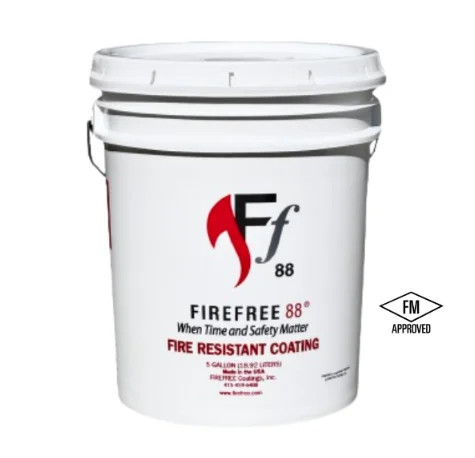
Firefree 88 is an intumescent fire resistant coating developed for fire-protection applications involving building materials and structural components.
When exposed to high temperatures, its intumescent technology forms an insulating protective layer on the coated surface. This layer can help slow the movement of heat into the underlying material, giving the protected substrate additional protection during a fire.
For building projects, the important point is that a fire-resistant coating should be selected based on the complete application—not simply because it is labeled "fireproof." The substrate, coating thickness, preparation, installation process, and required testing all play a role in achieving the intended level of protection.
Firefree Class A: Fire Retardant Paint for Wood
Wood brings warmth and character to a building, but because it is combustible, fire performance should be considered when choosing materials and finishes. The right fire-retardant coating can add another layer of protection without changing the purpose or appearance of the wood surface.
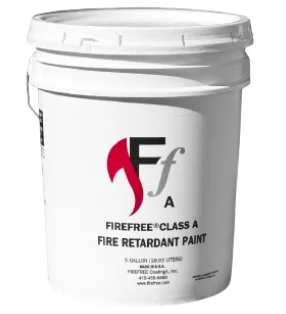
Firefree Class A is a fire retardant paint for wood that has been tested to ASTM E84 requirements for surface-burning characteristics. It is designed for projects where improving the fire performance of wood surfaces is an important part of the overall building strategy.
For example, wood used on interior walls, ceilings, or other finished surfaces may need to meet specific fire-performance requirements depending on the building and its intended use. In these situations, selecting a coating that has been tested for the applicable standard can be an important part of the specification process.
Firefree Exterior System for Wildfire
Protecting a building from wildfire involves more than simply choosing a fire-resistant coating. Wind-driven embers, radiant heat, and direct flame exposure can all create challenges, particularly for properties located in wildfire-prone areas.
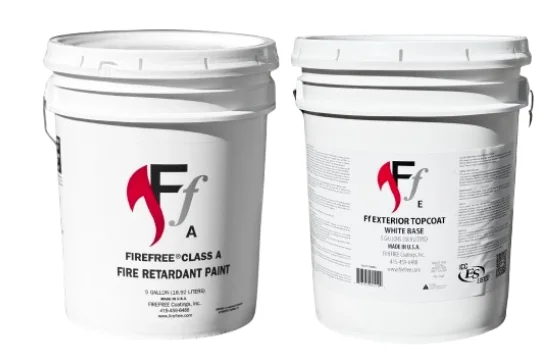
The Firefree Exterior System for Wildfire is a two-step exterior system that uses intumescent fire-protection technology for applicable exterior wood applications. The system is designed to provide an additional layer of protection to exterior wood as part of a broader wildfire-preparedness approach.
Consider a home surrounded by dry vegetation during a wildfire. Even when direct flames do not reach the structure, wind can carry burning embers toward siding, decks, eaves, and other vulnerable areas. That is why exterior fire protection works best when it is combined with other practical measures.
Defensible space, ember-resistant construction, suitable roofing materials, regular removal of combustible debris, and ongoing property maintenance can all contribute to reducing wildfire exposure. A properly selected exterior fire-protection system can complement these measures rather than serve as a replacement for them.
Choosing the Right Coating
Not every fire-protection coating is designed for every material or situation. Before choosing a product, construction professionals should consider:
- What substrate will be protected?
- What fire-performance standard applies?
- Is the application interior or exterior?
- What preparation and coating thickness are required?
- Has the system been tested for the intended application?
Protecting Buildings With the Right Technology
Fire protection is most effective when considered during the planning and specification stage. Whether protecting wood, structural components, or exterior surfaces in wildfire-prone areas, specialized coatings can be an important part of a comprehensive fire-safety strategy.
Firefree Coatings Inc. provides fire-resistant and intumescent coating solutions for a variety of applications. To learn more about available products and fire-protection technologies, visit Firefree Coatings Inc.
Contact Us
Email:- [email protected]
Phone:- 1-888-990-3388, 1-415-459-6488