Sign up with Google
 Sign in with Zoho

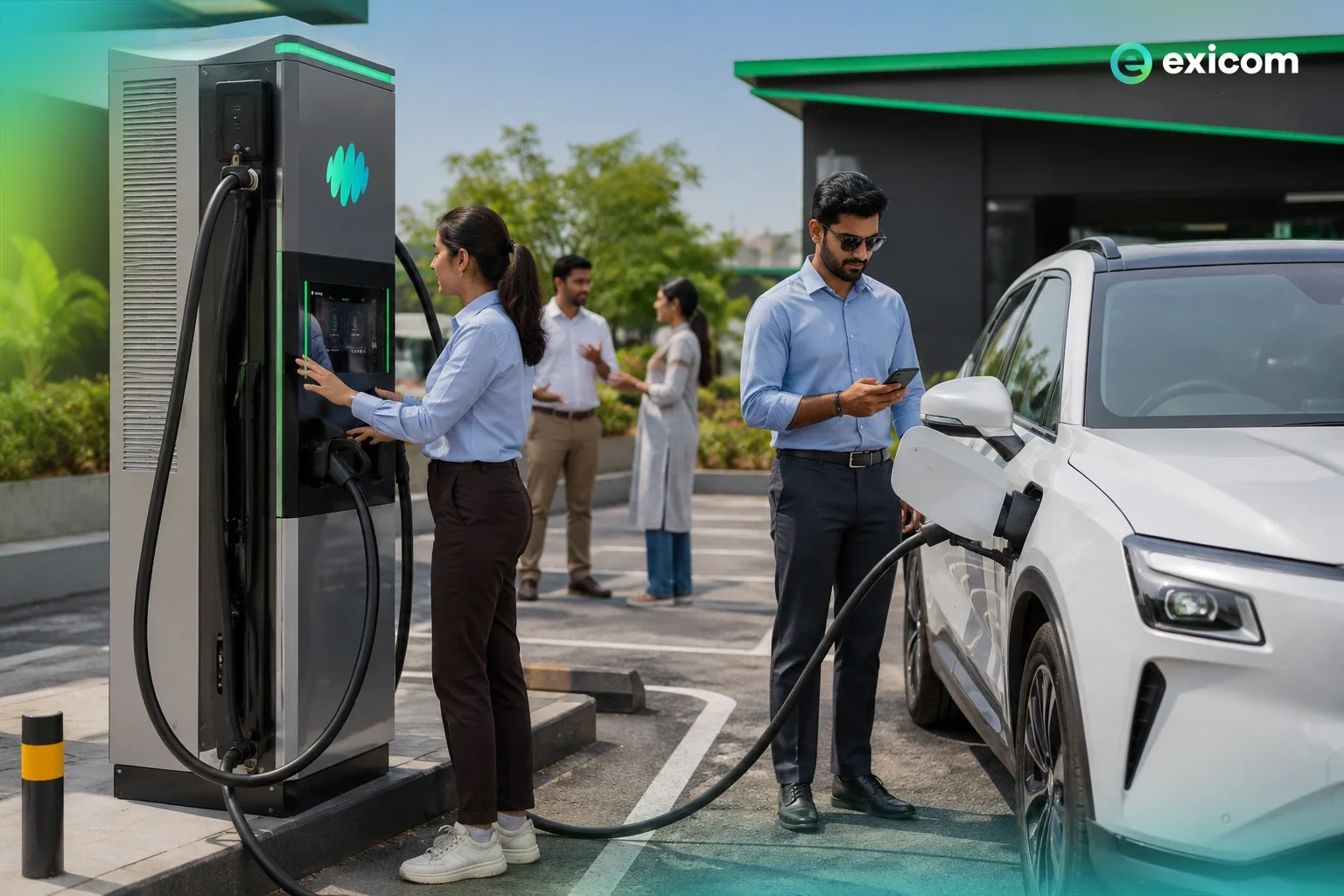
Every month, more electric cars, scooters, delivery vehicles, and commercial fleets hit the roads. Yet one problem continues to slow down adoption: charging infrastructure.
This gap has created a business opportunity that many entrepreneurs are exploring. But before investing in chargers, land, or electrical infrastructure, it's important to understand what actually makes an EV charging business successful.
Many people assume that installing a charger automatically means earning revenue. In reality, the EV charging business is much more complex.
The Biggest Problem: People Focus on Chargers Instead of Demand
When someone decides to enter the EV charging industry, the first question is usually:
"Which charger should I buy?"
Ironically, that's often the wrong question.
A charging station can have the latest technology, fast charging capability, and premium branding, but if it's installed in the wrong location, utilization will remain low.
The real question should be:
"Will EV drivers actually need charging at this location?"
Industry experts consistently highlight location as one of the most important factors affecting charging station profitability. High-traffic urban areas, highways, commercial hubs, fleet parking zones, and office complexes often generate better utilization than isolated locations.
Why India's EV Charging Market Is Growing
The demand side is becoming stronger every year.
India's public charging network has expanded significantly in recent years, yet the country still faces a shortage of charging infrastructure compared to the growing number of EVs on the road. Reports indicate there is still roughly one public charging station for every 235 EVs, highlighting a substantial infrastructure gap.
This imbalance creates opportunities for businesses willing to invest strategically.
Whether serving private vehicle owners, commercial fleets, ride-hailing operators, or logistics companies, charging demand is expected to continue increasing as EV adoption accelerates.
The Cost Challenge Nobody Talks About
One of the most common misconceptions is that charger hardware represents the entire investment.
In reality, several additional costs influence project viability:
- Land acquisition or leasing
- Electrical infrastructure upgrades
- Transformer installation
- Civil construction work
- Software and network management
- Maintenance contracts
- Utility connection costs
For DC fast charging stations, infrastructure upgrades can become as important as the charger itself. Entrepreneurs who underestimate these expenses often struggle during the first year of operation.
The Utilization Problem
Here's something many first-time investors discover too late:
Charging stations don't become profitable simply because they exist.
Revenue depends heavily on utilization.
A charger serving a busy fleet depot may generate consistent usage throughout the day. A charger installed in a low-demand area may sit idle for long periods.
Many experienced operators emphasize that profitability depends more on traffic volume, fleet partnerships, and repeat users than on hardware specifications alone.
This is why successful charging businesses spend considerable time researching local EV density, traffic patterns, and charging behavior before making investments.
Fast Charging vs Slow Charging: Which Makes More Sense?
Many newcomers immediately look at ultra-fast chargers because they seem more attractive.
However, bigger is not always better.
Different locations require different charging strategies:
- Residential complexes often benefit from overnight AC charging.
- Office campuses may prefer workplace charging solutions.
- Highway corridors generally require DC fast charging.
- Fleet operators often need dedicated charging hubs.
The best charger is the one that matches customer behavior, not necessarily the fastest available option.
The Hidden Opportunity: Secondary Revenue
Another mistake people make is viewing EV charging as the only revenue source.
Successful charging locations often generate additional income through:
- Cafes and restaurants
- Retail stores
- Parking services
- Digital advertising
- Convenience outlets
Since drivers spend time waiting while their vehicles charge, businesses can create additional revenue streams around the charging experience. Many operators now view EV charging as a traffic-generation tool rather than a standalone business.
Technology Is Important, But Reliability Matters More
EV drivers care about more than charging speed.
They want chargers that actually work.
Across online EV communities, users frequently mention issues such as charger downtime, availability uncertainty, fragmented apps, and inconsistent charging experiences. Reliability often becomes a bigger competitive advantage than raw charging power.
This means charging businesses should prioritize:
- High uptime
- Remote monitoring
- Preventive maintenance
- Easy payment systems
- User-friendly charging experiences
A reliable charger that consistently works often outperforms a faster charger that experiences frequent downtime.
Is an EV Charging Business Worth Starting in 2026?
The answer depends on expectations.
If you're looking for quick profits, EV charging may not be the ideal business model. Most charging stations require time to build utilization and recover initial investments. Break-even periods can stretch across multiple years depending on location and usage levels.
However, for entrepreneurs willing to think long term, EV charging represents an infrastructure opportunity tied directly to India's mobility transition.
As EV adoption continues to rise and charging demand expands, businesses that secure strong locations, maintain reliable operations, and focus on customer experience may be well positioned for future growth.
The winners in this industry won't necessarily be those who install the most chargers. They'll be the ones who install the right chargers in the right places and deliver a charging experience that drivers can trust.