Sign up with Google
 Sign in with Zoho

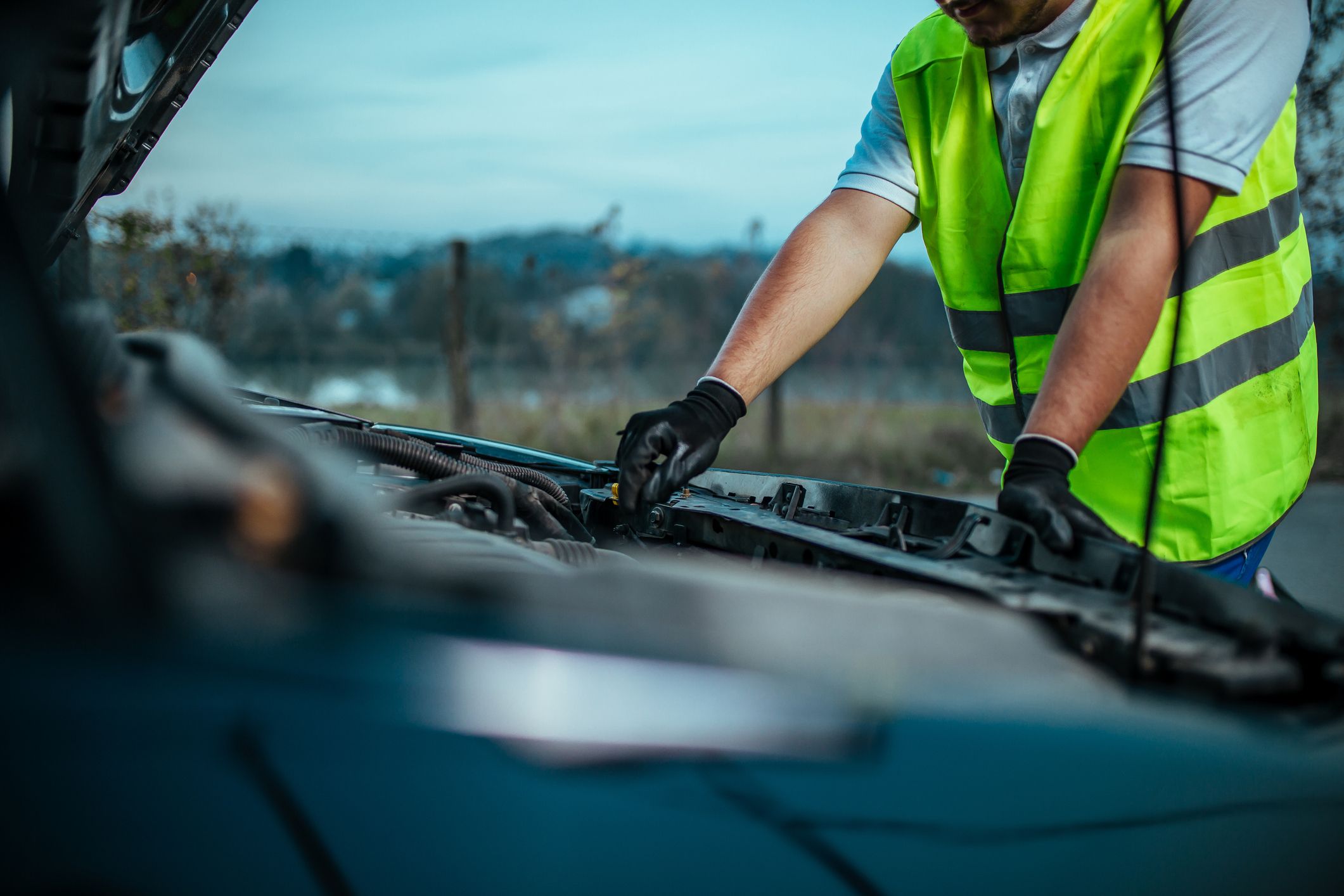
Launching a roadside assistance service can be a rewarding business opportunity, especially in countries with high vehicle usage and frequent travel. However, starting such a service requires careful planning, significant investment, and a deep understanding of the automotive service industry. In this comprehensive guide (≈1,300 words), we’ll explore how much investment you need to launch a roadside assistance service, including cost breakdowns, revenue potential, operational considerations, and tips to optimize your capital outlay.
Understanding the Roadside Assistance Business
A roadside assistance service provides on-the-spot aid to motorists experiencing vehicle trouble. This can include:
- Towing
- Flat tire repair
- Battery jump-start
- Fuel delivery
- Lockout assistance
- Minor mechanical repairs
Roadside assistance can operate as a standalone business, franchise (e.g., affiliated with larger automobile clubs), or as a third-party service for insurance companies and fleet operators.
The core appeal of the business is that it can generate recurring income through service subscriptions, emergency call-outs, and partnerships.
Types of Investments in Roadside Assistance
Launching a roadside assistance service involves several categories of investment:
- Initial Startup Costs – One-time capital required to launch operations.
- Operational Costs – Recurring expenditures to keep the business running.
- Technology & Logistics Costs – Software, dispatching systems, and tracking.
- Human Resource Costs – Training and paying employees and drivers.
- Marketing & Branding Costs – Acquiring customers and building a brand.
Let’s examine each category in detail.
Initial Startup Costs
This is the first major investment necessary to get the business off the ground.
a. Legal & Administrative Setup
- Business Registration & Licensing – An LLC or private limited company: ₹10,000 – ₹50,000.
- Insurance (Liability & Vehicle Insurance) – ₹50,000 – ₹2,00,000 (varies on coverage).
- Professional Fees (Lawyer/Accountant) – ₹10,000 – ₹50,000.
Estimated Legal Startup Cost: ~₹70,000 – ₹3,00,000
b. Garage, Office & Storage Facility
You need a base office/garage to house equipment and act as an operations center.
- Rent for small office + garage (monthly): ~₹30,000 – ₹80,000
- Basic office setup (furniture, utilities): ₹50,000 – ₹1,00,000
Initial Facility Setup: ₹80,000 – ₹1,80,000
c. Vehicles & Equipment
This is the biggest investment in the business:
1. Towing Vehicles
You’ll need:
- Tow trucks (backbone of the business) – prices vary by capacity and age
- New Small Tow Truck: ₹8 – ₹15 lakh
- Used Truck: ₹4 – ₹8 lakh
- To start, you may require 2 – 4 vehicles.
Vehicle Investment: ~₹8 – ₹50 lakh+
2. Support Vehicles
Smaller vans for minor service calls:
- Investment per van: ₹4 – ₹10 lakh
- Quantity: 1 – 3 vehicles
Support Vehicles: ~₹4 – ₹30 lakh
3. Equipment & Tools
- Battery chargers & jump starters
- Hydraulic jacks and tire tools
- Air compressors
- Fuel containers
- GPS devices and communication radios
Equipment Investment: ₹2 – ₹5 lakh
Total Vehicle & Equipment Investment: ~₹15 – ₹85 lakh
Note: You can reduce upfront cost by leasing vehicles – discussed later.
d. Technology & Software
Modern roadside assistance is tech-driven.
You will need:
- Dispatch software (SaaS): ₹20,000 – ₹1,00,000/year
- Mobile app or customer portal: ₹1 – ₹6 lakh (basic to advanced)
- GPS and tracking subscriptions: ₹10,000 – ₹50,000/year
Technology Investment: ~₹1.5 – ₹6 lakh+
Recurring Operating Costs
Once the business setup is complete, ongoing expenditures include:
a. Salaries
- Drivers & Mechanics (monthly): ₹15,000 – ₹40,000 each
- Dispatch & office staff: ₹20,000 – ₹60,000 each
- Base manager: ₹40,000 – ₹80,000
Monthly payroll: ₹1 – ₹4 lakh+
b. Fuel & Maintenance
- Vehicles running 100 – 300 km/day
- Fuel cost and maintenance: ₹30,000 – ₹1,00,000/month
c. Insurance Renewals
- Vehicle insurance, workers’ compensation, general liability
- Renewal: ₹50,000 – ₹3 lakh/year
d. Subscription Software & Communication
- Dispatch software, GPS, mobile data, call center
- Monthly: ₹10,000 – ₹50,000
Marketing & Customer Acquisition
This is critical in a business where trust matters.
Branding & Graphics
- Vehicle branding wraps: ₹10,000 – ₹30,000 per vehicle
Marketing Channels
- Digital marketing (SEO, Google Ads, Facebook): ₹20,000 – ₹1 lakh/month
- Offline marketing (flyers, radio ads): ₹10,000 – ₹50,000/month
- Online booking app promotions & incentives
Initial Marketing Budget: ₹50,000 – ₹2 lakh
Total Investment Estimate
Bringing everything together, we get:
Note: The range is wide because costs depend on:
- Whether you buy new or used vehicles
- Fleet size
- Technology complexity
- Geographic service area size
Ways to Reduce Initial Investment
You don’t necessarily need ₹1 crore to start:
a. Lease or Rent Vehicles
Leasing tow trucks reduces upfront investment:
- Monthly lease: ₹40,000 – ₹1,00,000+
- Down payment often low
Reduces startup cost significantly.
b. Start Small, Scale Later
Begin with:
- 1-2 towing vehicles
- 1 support van
- Part-time staff
Then scale as revenue grows.
c. Partner With Existing Garages
Instead of owning a garage, partner with local mechanics.
d. Use Independent Drivers
Hire independent contractors with their own vehicles.
Revenue Streams & Profitability
a. Call-Out Charges
E.g., ₹400 – ₹2,000 per service call.
If you serve:
- 20 calls/day × ₹800 = ₹16,000/day
- 30 days = ₹4,80,000/month
b. Subscriptions & Memberships
Subscription plans for frequent users:
- Individual plans: ₹600 – ₹3,000/year
- Corporate fleet plans: ₹10,000 – ₹1,00,000+/year
Memberships create steady recurring revenue.
c. Insurance & Fleet Contracts
Partner with:
- Insurance companies
- Taxi fleets
- Logistics firms
These bring high-volume, recurring service contracts.
d. Extended Services
- Roadside repairs
- Tire sales & installation
- Battery replacement
Additional revenue and higher customer retention.
Break-Even Analysis
How long before your investment pays off?
Assume:
- Total initial investment: ₹40 lakh
- Monthly revenue: ₹5 lakh
- Expenses: ₹3 lakh/month
Monthly profit: ₹2 lakh
Time to break-even: ~20 months (~1.5 – 2 years)
This can vary depending on scale, pricing, and demand.
Key Challenges to Plan For
Even with strong financial planning, roadside assistance businesses face:
a. Competition
AAA, insurance-linked services, local garages may compete.
b. Demand Fluctuation
Demand varies by season, region, and road conditions.
c. Customer Trust & Brand Reputation
Prompt, reliable service is critical.
d. Regulatory Compliance
Insurance, safety standards, labor laws.
Legal & Regulatory Considerations
Before starting operations:
- Business registration (company/sole proprietorship)
- GST registration (if revenue exceeds threshold)
- Driver contracts & employment laws
- Vehicle permits and compliance
- Liability & insurance coverage
Consult local legal advisors early.
To know more: How Much Does It Cost to Start a Roadside Assistance Business
Technology & Mobile App Integration
In today’s market, roadside assistance requires fast response time — and that means a good technology backbone.
Key Features of Technology Platform
✔ Customer app (request service)✔ Driver tracking & dispatch✔ Map & ETA tracking✔ Automated invoicing & payment✔ Service history & CRM
You can choose:
- Off-the-shelf dispatch software (low cost)
- Custom mobile app (higher cost, greater control)
Hiring, Training & Quality Standards
- Hire experienced drivers/mechanics
- Train staff for customer service
- Safety training (vehicle handling, roadside protocols)
- Performance tracking & incentives
Great service quality boosts repeat customers and referrals.
Marketing Strategy Ideas
Offline Marketing
- Partner with fuel stations
- Roadside billboards
- Auto clubs & bike clubs
Online Marketing
- Local SEO, Google Business profile
- Social media ads
- App promotions with launch offers
Referral & Loyalty Programs
- Reward referrals
- Discount packages for regular users
Conclusion
Launching a successful roadside assistance service is capital-intensive but potentially profitable:
- Expect initial investments between ₹18 lakh and ₹98 lakh+
- Operational costs vary based on vehicles, tech, and scale
- Revenue depends on calls, subscriptions, and partnerships
With careful planning, smart cost reduction strategies, and a customer-centric service model, this business can achieve profitability within 1–2 years.