Sign up with Google
 Sign in with Zoho

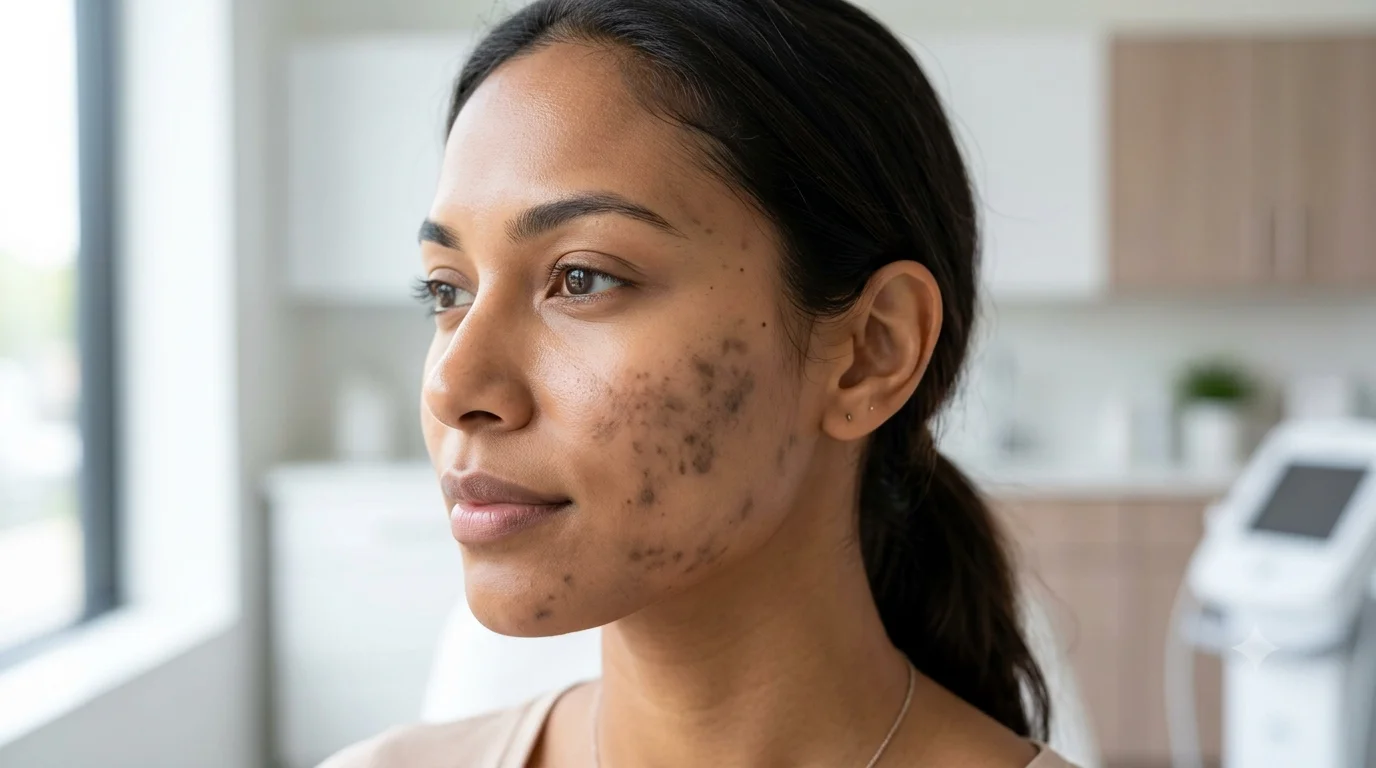
Few things are as frustrating as successfully clearing a stubborn acne breakout, only to be left with a map of dark, persistent marks in its wake. These lingering shadows known medically as Post-Inflammatory Hyperpigmentation (PIH) can often feel more difficult to banish than the initial blemishes themselves. Unlike raised scars, PIH is a flat, pigmentary response to localized inflammation that leaves behind a cellular memory of trauma. Erasing these shadows requires a precise understanding of melanocyte behavior and a highly strategic cellular intervention. To fast-track your journey to an even, radiant complexion, partnering with the Best Med Spa & Skin Rejuvenation Langhorne offers the clinical-grade therapies needed to lift deep-seated pigment safely and permanently.
1. The Cellular Science Behind PIH: Why Shadows Form
Post-Inflammatory Hyperpigmentation is not a scar; it is an overproduction of melanin triggered by your skin’s immune response. When a pore becomes inflamed due to acne, picking, or trauma, the surrounding tissue releases inflammatory chemical messengers (such as cytokines and histamines).
[ INFLAMMATION ] ───► Triggers Cytokines ───► Activates Melanocytes ───► Melanin Overproduction
(Acne/Picking) (Dark Shadow Formed)
These chemical messengers act as an alarm system that stimulates melanocytes the pigment-producing cells residing at the base of your epidermis. In a defensive panic, these cells overproduce melanin and dump it into the surrounding skin cells (keratinocytes). Once the acne heals, this excess pool of pigment remains trapped in the upper layers of the skin, leaving behind a brown, black, or deep purple shadow.
2. PIH vs. PIE: Know Your Mark
Before attempting to treat post-breakout marks, it is crucial to accurately diagnose what kind of discoloration you have, as treating them incorrectly can worsen the condition:
- Post-Inflammatory Hyperpigmentation (PIH): Appears as brown, black, or dark tan marks. It is caused by excess melanin and is more common in medium to dark skin tones (Fitzpatrick types III–VI).
- Post-Inflammatory Erythema (PIE): Appears as bright red, pink, or purple marks. It is caused by damaged or dilated capillaries (blood vessels) near the surface of the skin, not pigment, and is more common in lighter skin tones (Fitzpatrick types I–III).
3. The Multi-Phase Protocol to Erase PIH
Banishing dark spots requires a three-pronged approach: suppressing new pigment creation, accelerating cellular turnover to shed existing dark spots, and strictly defending the skin barrier.
┌────────────────────────────────────────────────────────┐
│ PIH CLEARING PROTOCOL │
├───────────────────────────┬────────────────────────────┤
│ Phase 1: Tyrosinase │ Apply Vitamin C, Kojic │
│ Inhibition │ Acid, or Azelaic Acid │
├───────────────────────────┼────────────────────────────┤
│ Phase 2: Accelerated │ Clinical Chemical Peels & │
│ Cellular Transit│ Advanced Microneedling │
├───────────────────────────┼────────────────────────────┤
│ Phase 3: Absolute UV │ Broad-Spectrum Mineral SPF │
│ Shield │ to prevent pigment relapse │
└───────────────────────────┘────────────────────────────┘
Step 1: Suppress the Pigment Factory (Tyrosinase Inhibitors)
To stop your melanocytes from continually dumping pigment into your skin, you must introduce topical tyrosinase inhibitors. Tyrosinase is the essential enzyme your skin uses to manufacture melanin. Ingredients like Azelaic Acid, Kojic Acid, Tranexamic Acid, and Vitamin C effectively put your pigment-producing cells on "standby," stopping the darkening cycle at its biological source.
Step 2: Accelerate Cellular Transit (Exfoliation & In-Office Care)
Existing pigment sits inside dead skin cells that slowly travel up to the surface to shed. Normally, this turnover takes about 28 to 40 days. We can compress this timeline using targeted professional treatments:
- Medical-Grade Chemical Peels: Advanced peels (like VI Peels or customized alpha-hydroxy acid protocols) deeply exfoliate the skin matrix, dissolving the "glue" between damaged, hyperpigmented cells and forcing fresh, unblemished tissue to the surface.
- Professional Microneedling: By creating microscopic, controlled pathways, microneedling breaks up clustered melanin deposits deep within the dermis while stimulating collagen to heal the underlying tissue texture.
Step 3: Prevent UV Reactivation
Melanocytes are incredibly sensitive to Ultraviolet (UV) light. Even a few minutes of unprotected sun exposure will cause UV rays to hit your vulnerable, healing spots, signaling the melanocytes to instantly darken them again. A broad-spectrum mineral sunscreen ($SPF\ 30+$) containing zinc oxide or titanium dioxide is non-negotiable every single day, rain or shine.
Step Into the Light
You do not have to live with the permanent reminders of past breakouts. By pairing potent, pigment-regulating home care with advanced clinical treatments that break apart stubborn melanin clusters, you can rapidly clear away uneven shadows and restore a flawless, luminous tone to your complexion. If you are ready to stop concealing dark marks and start erasing them for good, let our clinical experts map out your definitive recovery plan. Schedule a comprehensive tone-correction consultation today at the Best Med Spa & Skin Rejuvenation Langhorne.