Sign up with Google
 Sign in with Zoho

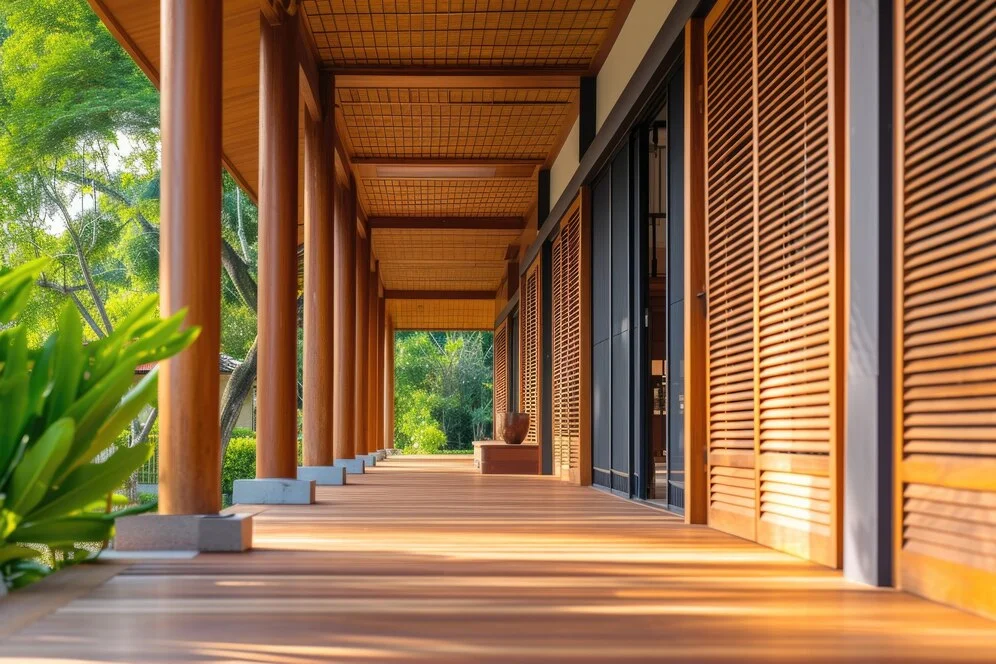
For homeowners who appreciate natural materials, a patio cover can be more than functional overhead protection. Wood patio covers bring visible grain, warmth, and a handcrafted quality that manufactured materials may not replicate. With the right wood, finish, and maintenance plan, a wooden structure can complement a home's exterior while developing its own character over time.
The key is understanding how wood behaves outdoors before choosing a design.
Choosing the Right Wood
Not all wood performs the same way in an outdoor environment. Species differ in density, moisture resistance, appearance, workability, and expected maintenance.
Some projects use pressure-treated lumber because treatment helps protect the material from certain forms of deterioration. Other homeowners prefer naturally durable wood species for their appearance and inherent outdoor performance.
The best choice depends on the project's exposure, desired appearance, budget, and willingness to maintain the material. Comparing these factors before construction can prevent a beautiful finish from becoming a maintenance challenge later.
Stain or Paint?
The finish can dramatically change the appearance of a wooden patio cover. A stain can enhance the existing grain while adding color and helping protect the surface. Paint creates a more uniform appearance and offers a broader range of color possibilities.
Neither approach is permanent. Outdoor finishes gradually wear as the wood is exposed to sunlight, moisture, and temperature changes. The lifespan of a finish depends on the product, application, exposure, and ongoing care.
It's useful to think about refinishing before choosing a color. A finish that looks attractive but requires more frequent maintenance may not be the most practical long-term choice.
Managing Moisture Is Essential
Moisture is one of the most important considerations with outdoor wood. Water that repeatedly collects around joints, posts, or other vulnerable areas can contribute to deterioration over time.
Good construction details can help. Appropriate roof drainage, adequate separation from persistent moisture, and properly finished exposed surfaces all contribute to better long-term performance.
Routine inspections are also worthwhile. Look for changes such as cracking, peeling finish, discoloration, or areas that remain damp after rainfall. Addressing problems early is generally easier than repairing extensive deterioration later.
Understanding Natural Weathering
Wood changes as it ages outdoors. Sun exposure can alter its original color, while repeated wetting and drying can affect its surface. Some homeowners prefer to preserve the original appearance with regular finishing, while others appreciate the natural weathered look that develops over time.
There isn't one correct approach. The important thing is to select a material and finish that match your expectations for how the patio cover should look several years from now.
A Material That Rewards Proper Care
Wood patio covers require more attention than some low-maintenance alternatives, but that maintenance is part of what makes natural wood appealing. Its grain, texture, and ability to be refinished give homeowners considerable control over its appearance throughout its service life.
By choosing an appropriate wood species, planning for moisture management, selecting a suitable finish, and understanding the maintenance involved, homeowners can create a patio cover that combines practical outdoor function with the distinctive character of natural wood.








.webp)