Sign up with Google
 Sign in with Zoho

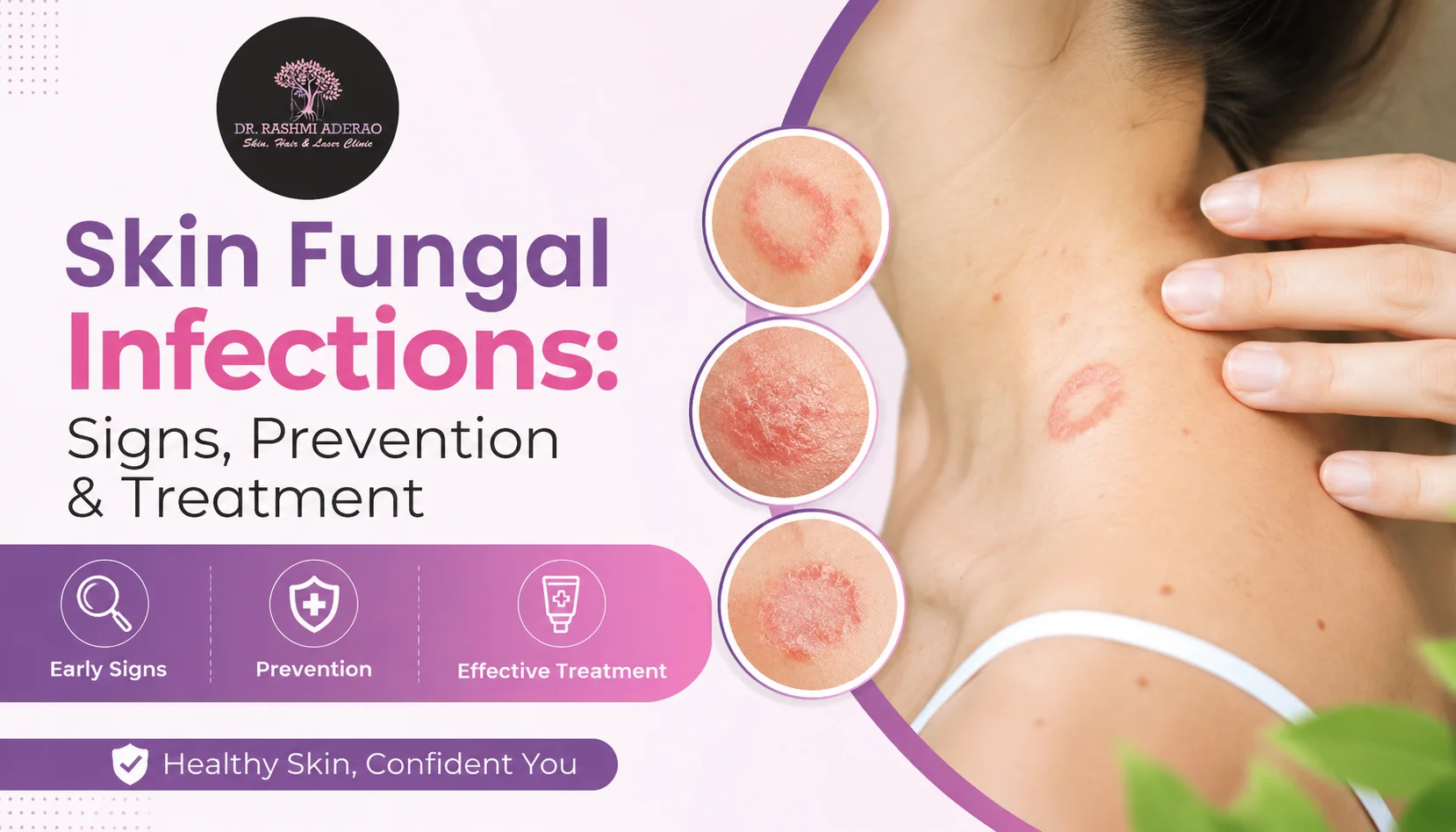
Skin Fungal Infections are one of the many common skin problems that can affect everyone. Skin Fungal Infections grow when fungi grow too much on the skin, nails, and scalp. This leads to infections that can be itchy, uncomfortable to touch, and can be displayed as rashes or red skin. Some of the many causes of Skin Fungal Infections are warm and humid climates, sweating, poor skin hygiene, and a poor immune system.
Skin fungal infections are rarely life-threatening, but they do become a recurrent problem and can easily spread to others if not treated. This is why the early detection of a Skin Fungal Infection is necessary to treat the infection properly and reduce the risk of recurrence.
If you would like to further educate yourself on the early signs of Skin Fungal Infections and preventative measures that can help avoid the infections, this guide will help you do that.
What Are Skin Fungal Infections?
Skin Fungal Infections are infections of the skin caused by the excessive growth of fungi on the skin. While there are a multitude of fungi present on the skin, the causes of a skin infection is when there is excessive overgrowth.
These infections usually affect the:
- Feet
- Hands
- Face
- Scalp
- Nails
- Groin
- Underarms
- Skin Folds
Most Skin Fungal Infections are contagious. They can spread through direct skin contact, clothing, towels, and personal items.
Types of Skin Fungal Infections
Various fungi can infect various parts of the body.
1. Ringworm (Tinea Corporis)
Ringworm is a misleading name because this infection is not caused by any type of worm.
It consists of:
- Circular red rash
- Border with a raised, scaled edge
- Itching
It is one of the most prevalent Skin Fungal Infections.
2. Athlete's Foot (Tinea Pedis)
An athlete's foot occurs between the toes.
It can become:
- Cracked
- Peeling
- Itchy
- Burning
It occurs commonly for those who keep closed shoes on for long times.
3. Jock Itch (Tinea Cruris)
This infection occurs in the groin.
It can become:
- Irritated
- Itchy
- Red
- Scaling
It can become a Skin Fungal Infection if moisture is excessive.
4. Nail Fungal Infection (Onychomycosis)
Fungi may infect toenails and fingernails.
They indicate infection if they are:
- Brittle
- Yellow
- Thick
- Separated from nail bed
Treatment is lengthy.
5. Scalp Ringworm (Tinea Capitis)
This type of infection is prevalent in children.
It can become:
- Inflamed
- Scaly
- Itchy
It is important to get the correct diagnosis to treat Skin Fungal Infections of the scalp properly.
Factors Increasing Skin Fungal Infection Risk
Skin Fungal Infections may occur more with the following factors:
- Warm Humid Weather
Fungi prefer warm, humid areas.
- Excessive Sweating
Fungi like it when the skin is wet.
Poor Hygiene
Dermal cleanliness is essential; keeping skin unkempt increases infection risk.
Tight Clothing
Fungal growth is encouraged by the combination of moisture and taut, synthetic clothing.
Weakened Immune System
Skin Fungal Infections are more likely to occur to the immunocompromised and to those with diabetes.
Sharing Personal Items
Towels, shoes, socks, clothing, etc. can all contain and transfer the fungal organisms.
Early Symptoms of Skin Fungal Infections
Identifying the early stages of an infection is paramount to stopping the spread.
The early symptoms may include:
- Itchy skin
- Red skin
- Itchy, red patches that may spread
- Dry, flaky skin that may peel
- Burning skin with blisters
- Skin that is discolored and may be cracked
- Discolored nails
These symptoms may be an indicator of a Skin Fungal Infection. If they are present for a prolonged time, a dermatologist should be consulted.
Risk Factors
- Not all Skin Fungal Infections are the result of poor hygiene.
- The following people are at a higher risk:
- Athletes
- People who sweat excessively, including those who frequent a gym
- Individuals with diabetes
- Swimmers
- Elderly and obese individuals
- Those with a weakened immune system
Familiarity with these risk factors can help prevent the occurrence of infection.
How are Skin Fungal Infections Diagnosed?
Skin Fungal Infections can be diagnosed through a physical examination by a dermatologist, including:
- Examination of the affected skin by the doctor
- Skin scraping test
- Sampled and microscope examined skin
- Invasive lab testing to identify the fungus of a Fungal Culture
- Diagnosis is the first step to treatment, which helps prevent the further spread of the infection.
- Treatment for Skin Fungal Infections
The location and severity of the infection determines the treatment.
1. Antifungal Creams
Topical antifungal creams are commonly prescribed for mild Skin Fungal Infections.
- Advantages of Antifungal Treatments
- Antifungal treatments have the following advantages:
- Destroy fungi
- Relieve itching
- Enhance the healing of the skin
- Oral Antifungal Treatments
Antifungal treatments in the form of oral medication are used when the infection is widespread or severe.
Oral medication is used for:
- Nail infections
- Infections of the scalp
- Chronic infections
- You must finish the medication that is prescribed to you.
- Medicated Shampoo
Medicated shampoos are antifungal shampoos that are prescribed in conjunction with oral medication to treat infections of the skin and scalp.
Medicated Powders
Fungal powders are prescribed to keep moist areas of the skin dry to prevent the infection from recurring. This is especially helpful in treating jock itch and athlete's foot.
Care of the Home During Treatment
Keeping skin dry aids in the treatment of the infection.
- The skin must be dried after bathing.
- Loose cotton clothing is encouraged.
- Scratching is to be avoided.
- Clothing must be changed every day.
- Towels used must be washed frequently.
- Personal items and towels are not to be shared.
- Personal Hygiene Practices to Deter Skin Fungal Infections
- Fungal infections of the skin can be prevented by maintaining a high level of personal hygiene.
- A daily bath and proper drying of skin folds is essential.
- Clothing must be loose and made of cotton
- Feet must be kept dry by wearing moisture absorbing socks and changing them as necessary.
- Personal items are not to be shared.
- Public places such as gyms, swimming pools, and public shower facilities require wearing your own shoes or flip flops.
Controlling medical conditions such as diabetes can greatly reduce the risk of developing skin fungal infections.
When Is It Necessary To Visit A Dermatologist?
You should visit a dermatologist when:
- You develop a rash that spreads quickly
- Your symptoms do not improve following treatment
- You develop a repeating infection
- Your nails are affected
- You develop hair loss on your scalp
- You experience intense itching that affects your daily routine
Skin Fungal Infection Treatment:
Taking the necessary precautions and seeking medical treatment reduces your risk of developing complications from a Skin Fungal Infection.
Myths About Skin Fungal Infections
Myth 1: Getting a Fungal Infection Only Happens to Dirty People
Skin Fungal Infections can happen to anyone because of the environment (e.g., Hot and humid).
Myth 2: Skin Fungal Infections Cure Themselves
Most Skin Fungal Infections require treatment with antifungal medication.
Myth 3: Skin Fungal Infections Don't Come Back After Treatment
If you do not improve your hygiene practices and take preventive measures, there is a high chance of a Skin Fungal Infection reoccurring.
Why Treatment is Important
If you do not treat a Skin Fungal Infection, it can lead to many complications such as:
- Skin infected with bacteria
- Skin infection spreads to a larger area
- Infected nails
- Hair loss
- Infections that frequently occur
The risk of complications is reduced when Skin Fungal Infections are treated quickly.
Conclusion
Skin Fungal Infections are very common; however, they can be easily treated if caught early. The signs of early infections can be reduced if you practice good hygiene and follow the recommendations from your dermatologist. Skin fungal infections such as athlete's foot, ringworm, nail fungal infections, and scalp fungal infections can all be treated with the antifungal medications that are available today. Keeping your skin clean, dry, and protected can prevent Skin Fungal Infections and keep your skin healthy.
If you notice rashes, persistent itching, or any other changes to your skin, these symptoms should not be ignored. You should visit a qualified dermatologist to get an accurate diagnosis and treatment to improve your symptoms.
1. What are the reasons behind the occurrence of Skin Fungal Infections?
Moisture and heat on the skin combined with poor hygiene and a weak immune system promote excessive skin fungi growth and can lead to Skin Fungal Infections.
2. Is it possible to contract Skin Fungal Infections?
It is possible to contract Skin Fungal Infections, as they can spread via direct skin contact.
3. Is it possible to completely cure Skin Fungal Infections?
Skin Fungal Infections are completely curable, and the recurrence of the condition can be controlled through strict hygiene.
4. What is the healing period for Skin Fungal Infections?
Skin Fungal Infections have a healing period of 2 to 4 weeks on the milder end. Fungal infections of the scalp and nails may take several months to heal.
5. When is it necessary to see a dermatologist about Skin Fungal Infections?
Contact a medical professional when a Skin Fungal Infection spreads, occurs frequently, is on the nails or the scalp, or does not resolve with any over-the-counter antifungal medication.