Sign up with Google
 Sign in with Zoho

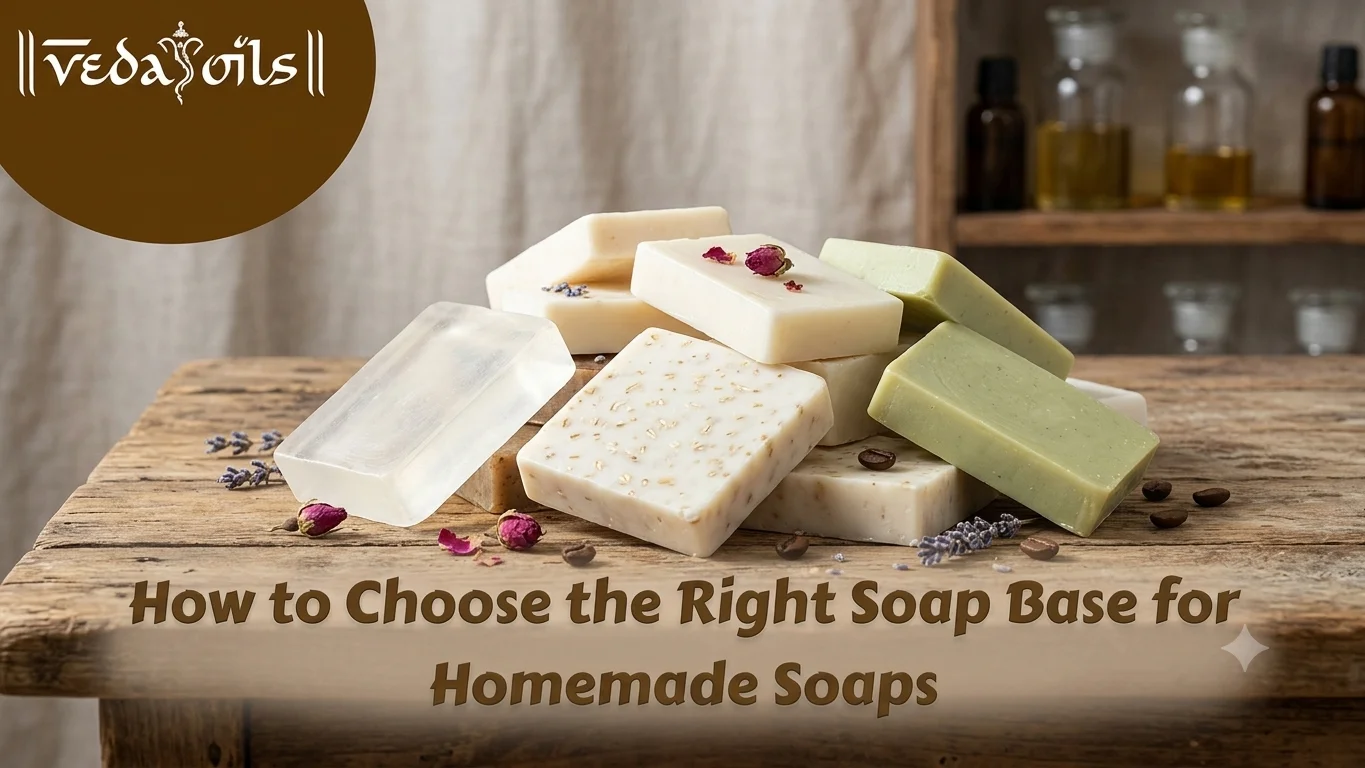
Making homemade soap can be a creative and rewarding activity, whether you are creating soaps for personal use, gifting, or starting a small business. One of the most important ingredients in soap making is the soap base. Choosing the right base can influence the soap’s texture, appearance, cleansing ability, fragrance retention, and overall feel on the skin. With quality options from VedaOils, you can select a suitable base according to your soap-making needs.
What Is a Soap Base?
A soap base is a pre - prepared soap-making material that can be melted, customized, and poured into molds. It is commonly used in melt-and-pour soap making because it eliminates many of the complicated steps involved in traditional cold-process soap making. Depending on the formulation, soap bases can contain ingredients such as glycerin, plant-based oils, butters, and cleansing agents.
Why Choosing the Right Soap Base Matters
The type of soap base you choose affects the final quality of your homemade soap. A suitable base can provide:
- A smooth and consistent texture
- Good lather and cleansing properties
- Better fragrance performance
- An attractive appearance
- Easy melting and pouring
- Compatibility with suitable cosmetic additives
- A pleasant skin feel
For beginners, a ready-to-use melt-and-pour base can make the soap-making process easier and more convenient.
Different Types of Soap Base
There are several types of soap bases available, and each offers different characteristics.
1. Glycerin Soap Base
Glycerin soap base is popular for homemade soaps because of its clear or translucent appearance and easy customization. It works well with suitable fragrances, colors, and decorative ingredients. It is a versatile choice for creating attractive soaps.
2. Shea Butter Soap Base
A shea butter-based soap base can be a good option for those looking to create soaps with a richer and more conditioning feel. Shea butter is commonly used in personal-care formulations and can give handmade soaps a creamy texture.
3. Goat Milk Soap Base
Goat milk soap bases are often selected for their creamy appearance and luxurious skin feel. They can be used to create gentle-feeling handmade soaps and are particularly popular in moisturizing-style soap formulations.
4. Aloe Vera Soap Base
Aloe vera soap bases are suitable for formulations inspired by fresh and soothing skincare. They can be combined with appropriate fragrances or botanical ingredients to create refreshing handmade soap varieties.
5. Transparent Soap Base
Transparent bases are ideal when you want to create visually appealing soaps. Their clarity allows decorative elements, colors, and designs to stand out inside the finished soap.
How to Choose the Right Soap Base
Consider Your Skin Type
Think about who will use the soap. For dry-feeling skin, you may prefer a base containing conditioning ingredients such as shea butter. For normal or combination skin, a versatile glycerin-based option may work well.
Check the ingredients.
Always check the ingredient list before purchasing a soap base. Look for a formulation that matches your intended use and avoid ingredients that you or your customers may be sensitive to.
Decide on the Desired Appearance
Your final soap design can also determine your base. Choose a transparent base for clear or decorative soaps, while opaque bases can create a creamy, solid appearance.
Consider Fragrance and Color
If you plan to add fragrance oils, essential oils, or cosmetic colorants, select a base that is suitable for those additions. Follow the recommended usage levels for every additive and fragrance.
Think About Lather and Texture
Different bases can produce different levels of lather and varying textures. Consider whether you want a creamy, rich, bubbly, or lightweight cleansing experience before making your selection.
How VedaOils Can Help with Soap Making
VedaOils offers soap-making ingredients and raw materials designed for a variety of DIY and professional cosmetic applications. When selecting a soap base, consider your formulation requirements, desired finish, and intended use. A quality base can provide a convenient starting point for creating customized handmade soaps.
Tips for Making Homemade Soaps
Once you have selected your soap base, follow a few basic practices:
- Cut the base into small, evenly sized pieces for consistent melting.
- Melt it gently using a suitable double boiler or microwave method.
- Avoid overheating the base.
- Add compatible fragrance, color, or other cosmetic ingredients at appropriate levels.
- Mix carefully to distribute additives evenly.
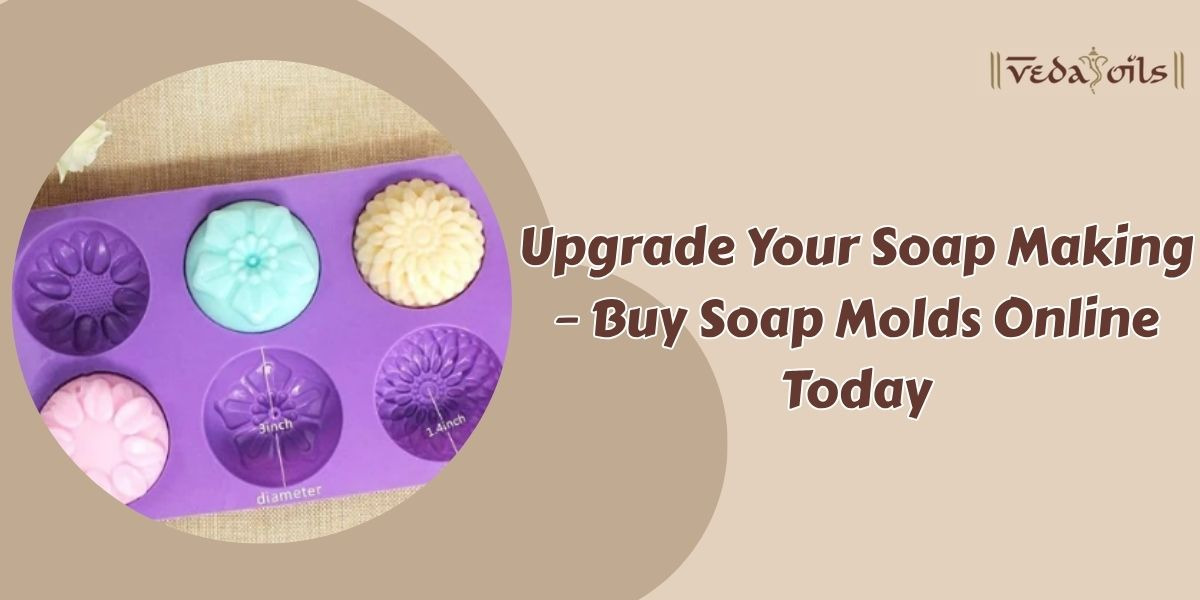
- Pour the mixture into clean and suitable soap molds.
- Allow the soap to cool and harden completely before removing it from the mold.
- Store finished soaps in a cool, dry place and package them appropriately.
Common Mistakes to Avoid
Beginners sometimes overheat the base, add excessive fragrance or color, or use unsuitable additives. Another common mistake is choosing a soap base without considering the intended skin feel and final design. Following the supplier's recommendations and using cosmetic-grade ingredients can help produce more consistent results.
Conclusion
Choosing the right soap base is an essential step in creating high-quality homemade soaps. Whether you prefer glycerin, shea butter, goat milk, aloe vera, or a transparent base, your choice should depend on the desired appearance, texture, skin feel, and formulation requirements. With suitable ingredients from VedaOils and careful preparation, you can create attractive and personalized soaps for everyday use, gifting, or your handmade soap business.