Sign up with Google
 Sign in with Zoho
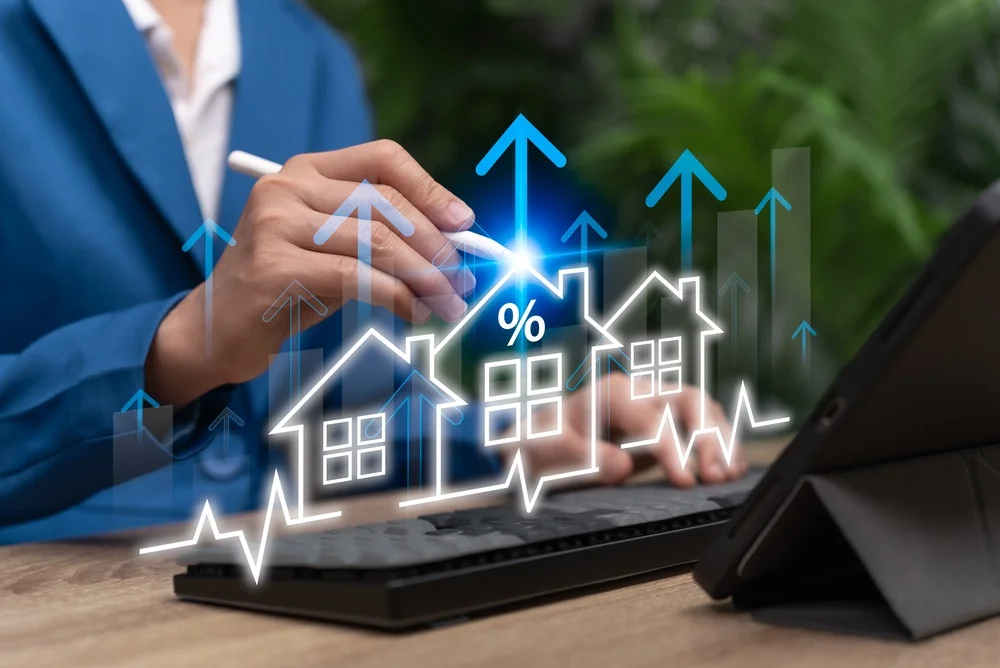
Owning a commercial property and maximizing its value are two very different things.
Many investors enter the commercial real estate market with a straightforward objective. Acquire a quality asset, secure tenants, collect rental income, and benefit from appreciation over time. On paper, the process can appear relatively simple. In reality, long-term success depends on much more than ownership.
Commercial properties are living assets. They require continuous oversight, strategic planning, operational efficiency, tenant engagement, and ongoing adaptation to market conditions. A building that performs exceptionally well today can gradually lose its competitive position if it is not managed effectively. Likewise, a property facing operational challenges can often be transformed into a stronger-performing asset through the right strategy.
This is where commercial real estate asset management becomes critical. Rather than focusing solely on day-to-day operations, asset management takes a broader view. It aligns property performance with long-term investment objectives while identifying opportunities to improve value, enhance tenant satisfaction, and strengthen financial returns.
For investors, developers, and property owners, understanding the role of asset management is essential because the true value of a commercial asset is rarely determined by location alone. It is shaped by how effectively that asset is managed over time.
Understanding Asset Management Beyond Property Operations
Many people use the terms property management and asset management interchangeably. While the two functions are connected, they serve different purposes.
Property management generally focuses on daily operations. This includes tenant communication, maintenance coordination, rent collection, and operational oversight. Asset management operates at a more strategic level. It examines how a property can generate stronger financial performance, remain competitive in the market, and increase its value over the long term.
An asset manager looks at the bigger picture. Questions often include:
● How can occupancy levels be improved?
● Are rental rates aligned with market conditions?
● What capital improvements could increase value?
● How can operating expenses be optimized?
● What risks may affect future performance?
The answers to these questions often determine whether a property remains average or becomes a high-performing investment.
Why Long-Term Value Requires Continuous Strategy
Commercial real estate markets rarely stand still. Tenant expectations evolve, business districts change, infrastructure develops, and economic conditions shift. A building that was highly desirable ten years ago may struggle today if it has not adapted to changing market demands.
Long-term value growth depends on a property's ability to remain relevant.
For example, office tenants increasingly prioritize workplace experience, sustainability, technology infrastructure, and employee well-being. Industrial occupiers may focus on logistics efficiency, connectivity, and operational flexibility. Retail tenants often seek locations that support changing consumer behavior.
Asset management helps property owners anticipate these changes rather than react to them after problems emerge.
Occupancy Is More Than Filling Vacant Space
A common misconception is that successful asset management simply means keeping a building fully occupied. Occupancy certainly matters, but quality occupancy matters even more.
A property filled with tenants on short-term leases at below-market rates may not perform as well as one with a carefully balanced tenant mix and stable long-term occupancy.
Effective asset management focuses on:
● Tenant retention
● Lease optimization
● Occupancy stability
● Revenue diversification
● Long-term leasing strategies
These factors contribute directly to property performance and investor returns.
Key Occupancy Drivers
Add row aboveAdd row belowDelete rowAdd column to leftAdd column to rightDelete columnFactorImpact on PerformanceTenant Retention Reduces vacancy risk Lease Structure Supports income stability Occupancy Levels Strengthens cash flow Tenant Quality Improves long-term reliability Market Positioning Enhances leasing demand
Occupancy should be viewed as a strategic metric rather than simply a numerical target.
Tenant Experience Directly Influences Asset Value
Commercial properties are ultimately occupied by businesses and people. Their experience within a building plays a significant role in long-term performance.
A tenant that enjoys reliable building operations, responsive management, quality amenities, and a positive workplace environment is more likely to renew its lease. Conversely, operational frustrations often increase turnover risk.
This is one reason why facilities management has become an increasingly important component of asset performance.
While asset management focuses on strategy, facilities management ensures that the building consistently delivers the experience tenants expect. Together, these functions help maintain both operational excellence and long-term value.
Operational Efficiency Protects Profitability
Revenue growth is important, but profitability depends on managing expenses effectively.
Commercial properties incur a wide range of operational costs, including:
● Maintenance
● Utilities
● Security
● Cleaning services
● Repairs
● Building management systems
Without proper oversight, these expenses can gradually increase and reduce overall returns.
Asset managers regularly evaluate operational performance to identify opportunities for efficiency improvements. This may involve technology upgrades, energy optimization initiatives, vendor negotiations, or preventive maintenance programs.
Even modest cost savings can have a meaningful impact on long-term asset performance.
Capital Improvements Can Create Competitive Advantage
Not every investment in a property generates value. Strategic improvements, however, often produce measurable returns.
Asset managers evaluate whether capital expenditures will strengthen market positioning, improve tenant satisfaction, or increase future income potential.
Examples may include:
● Modernizing common areas
● Upgrading building systems
● Improving energy efficiency
● Enhancing workplace amenities
● Expanding technology infrastructure
These investments often help properties remain competitive while supporting higher occupancy and rental rates.
Evaluating Capital Improvements
Add row aboveAdd row belowDelete rowAdd column to leftAdd column to rightDelete columnImprovement AreaPotential BenefitEnergy Systems Lower operating costs Amenity Enhancements Stronger tenant appeal Technology Upgrades Improved workplace experience Sustainability Features Increased market relevance Building Modernization Enhanced asset positioning
The goal is not to spend more. The goal is to invest strategically.
Market Intelligence Supports Better Decisions
One of the most valuable aspects of asset management is access to market insight.
Commercial real estate decisions should never be made in isolation. Market conditions influence leasing activity, rental growth, tenant demand, investment performance, and future value creation.
Asset managers continuously monitor:
● Occupancy trends
● Rental benchmarks
● New developments
● Infrastructure projects
● Tenant preferences
● Economic indicators
This information helps property owners make informed decisions rather than relying on assumptions.
Risk Management Is Essential for Long-Term Success
Every commercial asset faces risk.
Some risks are external, such as economic downturns or market disruptions. Others originate within the property itself through operational challenges, tenant turnover, regulatory changes, or deferred maintenance.
Strong asset management includes ongoing risk assessment and mitigation planning.
Common risk areas include:
● Vacancy exposure
● Lease concentration
● Operational disruptions
● Compliance requirements
● Capital expenditure needs
Identifying risks early often prevents more significant challenges later.
Sustainability Is Becoming a Performance Driver
Sustainability is no longer viewed solely as an environmental initiative. It is increasingly recognized as a business consideration.
Many tenants now evaluate sustainability performance when selecting commercial space. Investors also pay closer attention to environmental efficiency and operational resilience.
Asset managers often support sustainability through:
● Energy management programs
● Water conservation initiatives
● Waste reduction efforts
● Green building improvements
● Operational efficiency measures
These initiatives can reduce costs while enhancing tenant appeal and long-term competitiveness.
The Connection Between Asset Management and Facilities Management
A property's long-term success depends on the alignment between strategic planning and operational execution.
This is where facilities management plays a critical role. While asset managers focus on value creation and performance objectives, facilities teams ensure that building systems, infrastructure, and services operate efficiently every day.
When these functions work together effectively, properties often experience:
● Higher tenant satisfaction
● Improved operational reliability
● Better cost control
● Stronger occupancy performance
● Enhanced asset value
The relationship is complementary rather than separate. Long-term success typically requires both perspectives.
Performance Should Be Measured Continuously
Successful asset management is not a one-time exercise. Property performance should be evaluated regularly using measurable indicators.
Common Asset Performance Metrics
Add row aboveAdd row belowDelete rowAdd column to leftAdd column to rightDelete columnMetricWhy It MattersOccupancy Rate Indicates leasing performance Tenant Retention Reflects tenant satisfaction Net Operating Income Measures profitability Operating Expenses Supports cost control Lease Expiry Profile Assesses future risk Asset Appreciation Tracks value growth
Consistent measurement allows owners to identify opportunities, address weaknesses, and adjust strategies when needed.
Conclusion
Effective commercial real estate asset management goes far beyond maintaining a building or collecting rental income. It involves aligning operational performance, tenant experience, market positioning, financial objectives, and long-term investment strategy to create sustainable value.
Through proactive planning, strategic capital improvements, tenant-focused decision-making, and strong operational oversight, asset managers help properties remain competitive in an evolving market. Whether managing office assets, retail developments, industrial facilities, or portfolios associated with a warehousing company in India, long-term performance depends on consistent attention to both strategy and execution.
Organizations often work with experienced advisors such as Colliers to help unlock value, improve asset performance, and support long-term investment success.