Sign up with Google
 Sign in with Zoho

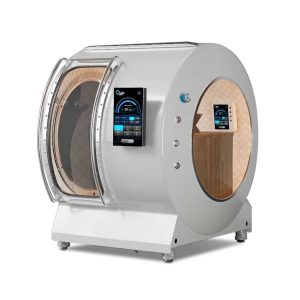
Spend a few hours comparing chambers online, and they start to blur together. Similar shapes. Similar pressure ratings. Big promises. Then you notice the price gap. Sometimes it’s dramatic. And that’s where the real question begins: what are you actually paying for?
In our experience at Oxygen Health Systems, the difference isn’t cosmetic. It’s structural. It’s mechanical. It’s procedural. It’s the kind of difference you only appreciate after you’ve seen what happens when a chamber is used day after day, year after year. That’s where the divide between serious engineering and low-cost production becomes obvious, and it’s exactly what distinguishes reputable hyperbaric chamber manufacturers from brands built around price compression.
Pressure Is Not a Marketing Number
Anyone can list an ATA rating on a spec sheet. Maintaining that pressure safely and consistently is another matter.
Premium hyperbaric chamber manufacturers design for controlled compression and decompression cycles. The valves are calibrated with intention. The pressure relief systems are redundant. Seams are reinforced not because it looks impressive in a brochure, but because repeated pressurization stresses materials in ways that aren’t visible on day one.
We’ve inspected low-cost units that technically reach their advertised pressure, but struggle to maintain stability. Fluctuations may seem minor. They aren’t. Consistency is the foundation of therapeutic reliability. Without it, the chamber becomes unpredictable.
Materials Tell the Truth
You can feel quality before you measure it.
High-tensile fabrics. Industrial-grade zippers that don’t strain under load. Viewing ports that don’t distort or flex. Compressors dare esigned for sustained output rather than intermittent use.
Budget systems often rely on lighter materials and entry-level components. It lowers cost. It also shortens lifespan.
At Oxygen Health Systems, we choose materials the way aerospace engineers do, based on stress tolerance and performance under repetition. Because hyperbaric chambers aren’t decorative equipment. They operate under pressure, literally, and the material either respects that reality or it doesn’t.
Safety Is Engineered, Not Added
In a properly designed chamber, safety systems are not accessories. They are integrated from the start.
Redundant pressure relief valves. Internal and external gauges. Fail-safe depressurization mechanisms. Emergency quick-release protocols that function smoothly, not theoretically.
Some lower-priced manufacturers simplify these systems. Fewer components mean lower production cost. It also means less margin for error.
Established hyperbaric chamber manufacturers build with the assumption that real-world use is unpredictable. People move. Power fluctuates. Human error happens. Equipment must account for that. It cannot rely on ideal conditions.
Compliance Isn’t Optional
A chamber operating under pressure with enriched oxygen is a medical-adjacent device. Documentation matters.
Reputable hyperbaric chamber manufacturers maintain transparent certification records, manufacturing standards, and quality control processes. That includes ISO-compliant production environments and documented electrical safety standards where applicable.
When those documents are missing or vague, that’s not a paperwork issue. It’s a manufacturing culture issue.
At Oxygen Health Systems, we’ve always treated compliance as foundational. Clinics and professional facilities require documentation not just for liability, but for patient protection. That’s not negotiable.
Longevity Changes the Math
The first month with a new chamber rarely reveals its weaknesses. Year two does.
Compressors begin to strain. Seals degrade. Inconsistent pressurization creeps in. Replacement parts become difficult to source. Support becomes slower.
Premium hyperbaric chamber manufacturers design for thousands of cycles, not hundreds. They build systems meant to live in clinical environments where daily use is standard.
It costs more upfront. It costs less over time.
We’ve worked with facilities that initially chose budget units to conserve capital. Many of them eventually replaced those systems sooner than expected. Durability is rarely obvious until it fails.
Real Support After the Sale
This is where the difference becomes personal.
When something needs calibration, when a clinic requires technical clarification, when a part needs replacement, responsiveness matters. Not scripted responses. Not generic troubleshooting guides.
Oxygen Health Systems maintains direct technical support with people who understand the chambers mechanically, not just commercially. That infrastructure is expensive to build. It’s also one of the defining traits of established hyperbaric chamber manufacturers.
Lower-cost brands often operate with minimal service networks. That’s manageable until you need assistance urgently.
Research, Refinement, Responsibility
The hyperbaric industry continues to evolve. Improvements in airflow design, compressor noise reduction, interior ergonomics, and oxygen integration systems don’t appear randomly.
They come from investment.
Premium hyperbaric chamber manufacturers allocate resources to testing, refinement, and redesign. They analyze wear patterns. They evaluate airflow dynamics. They respond to practitioner feedback.
Manufacturing without research leads to stagnation. Engineering with intention leads to progress.
Choosing Carefully
If you’re reviewing a hyperbaric oxygen therapy chamber for sale, pause before comparing prices alone. Look deeper.
Ask about pressure stability over time. Request documentation. Examine safety redundancy. Inquire about part availability five years from now, not just warranty length today.
Hyperbaric systems are long-term investments. They operate under physical stress. They support clinical goals. Cutting corners in manufacturing doesn’t simply reduce cost; it shifts risk.
At Oxygen Health Systems, we build chambers with the understanding that people depend on them. Clinics depend on them. That responsibility shapes every engineering decision we make.
If you’re evaluating options and want clarity grounded in real-world performance rather than surface-level specifications, we invite you to speak with our team. We’ll walk you through the structural differences, answer technical questions directly, and help you determine which system truly fits your application.
Because when it comes to equipment operating under pressure, experience still matters, especially among hyperbaric chamber manufacturers.
Frequently Asked Questions
1. Why do premium chambers cost significantly more?
Because material quality, structural reinforcement, compressor capacity, and redundant safety systems increase manufacturing cost. Those factors directly affect lifespan and reliability.
2. Are all hyperbaric chamber manufacturers equally regulated?
No. Certification standards and documentation vary. Always verify compliance and request detailed manufacturing information.
3. How long should a professional-grade chamber last?
With proper maintenance, a well-built system should operate reliably for years under routine clinical use. Durability depends heavily on material selection and compressor design.
4. What should I prioritize during evaluation?
Pressure stability, safety redundancy, documentation transparency, and service support infrastructure.
5. Is after-sales support really that important?
Yes. Hyperbaric systems are mechanical and pressurized. Access to knowledgeable technical support protects both your investment and your patients.

.webp)