Sign up with Google
 Sign in with Zoho

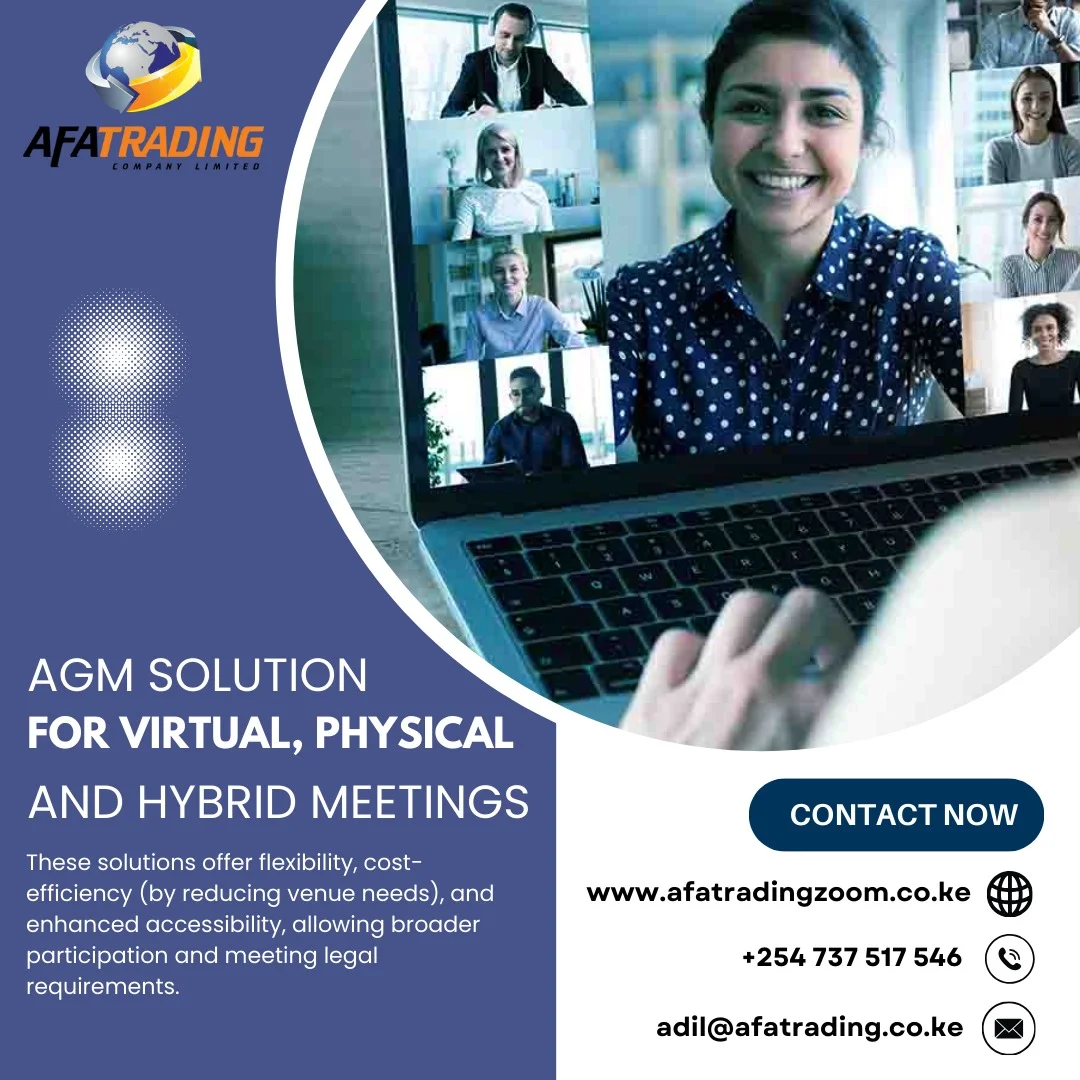
An annual general meeting is one of those business events where preparation matters more than people sometimes realise. From the outside, it may look like a simple gathering of shareholders and company directors. There is an agenda to follow, reports to present, questions to answer, and decisions to record. Yet anyone involved in organising an AGM knows that a lot happens before the first person takes a seat or joins an online meeting.
Invitations need to reach the right people. Presentations must be ready. The venue or online platform needs to work properly, and shareholders should understand how they can participate. When these details are overlooked, even a meeting with an important agenda can become frustrating.
Businesses now have more choices than ever when arranging their annual general meetings. Some prefer a traditional face-to-face gathering, others use online platforms, and many choose a combination of both. The best arrangement depends on the company, its shareholders, and the purpose of the meeting.
A suitable AGM Solution for Virtual, Physical, and Hybrid Meetings helps businesses organise these different requirements without losing sight of what an AGM is meant to achieve: clear communication, meaningful participation, and properly managed company decisions.
Every AGM Begins With a Clear Plan
Before looking at venues, cameras, or meeting software, a company should take a step back and consider what needs to happen during the AGM.
A meeting focused mainly on presenting annual reports may require a different setup from one involving several resolutions, detailed shareholder questions, and formal voting. The number of attendees also makes a difference. Arranging a meeting for twenty shareholders is not the same as managing an event for several hundred participants, particularly when some are attending remotely.
Start by reviewing the agenda. Identify who will speak, which documents must be presented, how questions will be handled, and whether voting is required. These decisions help determine the equipment, staffing, and technical support needed.
The company should also confirm the applicable rules before selecting a format. Its governing documents and relevant laws may set requirements for meeting notices, shareholder participation, voting, quorum, and recordkeeping. These requirements should be checked early rather than treated as last-minute administrative tasks.
Good planning does not mean predicting every possible problem. It means understanding the important details and making reasonable arrangements before the meeting begins.
Virtual AGMs Make Participation More Convenient
Think about a shareholder who lives several hours away from the company's main office. Attending a traditional meeting could mean arranging transport, taking time away from work, and possibly paying for accommodation. For someone living abroad, the inconvenience may be even greater.
A virtual AGM gives such shareholders another option. They can join from their homes, offices, or other suitable locations, provided they have the necessary internet access and equipment.
This flexibility is one of the main reasons businesses consider online meetings. It can reduce travel requirements, simplify the distribution of documents, and make participation more practical for people who cannot easily reach a physical venue.
Virtual meetings may also help companies manage certain expenses. Venue hire, printed materials, refreshments, and travel arrangements can be reduced depending on how the meeting is organised. However, an online AGM still requires preparation, and businesses should budget for any platform, technical assistance, security measures, or other services they need.
The technology should be easy enough for participants to use. Sending an invitation with a meeting link is not always sufficient. Shareholders may need instructions for joining, muting their microphones, asking questions, and taking part in voting where permitted.
A short technical test can prevent many common difficulties. Speakers should know how to share their screens, presentations should be checked in advance, and someone should be available to assist participants who experience connection problems.
An online meeting also needs a chairperson who can keep the discussion moving. Without a clear process, people may speak over one another, important questions may be missed, and some participants may struggle to get involved.
Virtual AGMs work best when the technology stays in the background and allows the actual meeting to take centre stage.
Why Physical Meetings Still Matter
Despite the growth of online communication, face-to-face AGMs remain valuable for many organisations.
There is a particular ease to meeting people in person. Shareholders can speak directly with company representatives, ask follow-up questions, and have conversations before or after the formal proceedings. Directors may also find it easier to understand the concerns of participants when everyone is sharing the same room.
For some businesses, these interactions are an important part of maintaining relationships and building confidence among shareholders.
A physical AGM does not necessarily need a large conference hall or an elaborate stage. The venue should simply suit the number of attendees and the nature of the meeting. Participants need comfortable seating, clear visibility, good sound, and enough space to move around.
Equipment checks are equally important. Microphones, speakers, projectors, screens, and presentation computers should be tested before the scheduled start. If the agenda includes voting, the organisers should ensure that the procedure is clear and that the necessary records can be maintained.
Hybrid AGMs Bring Remote and In-Person Attendees Together
Some companies do not want to choose between a traditional meeting and an online one. They need a format that accommodates both.
Hybrid AGMs make this possible by allowing some shareholders to attend at a venue while others join remotely. This can be particularly useful for organisations whose shareholders are spread across different cities or countries.
For example, a business could arrange an AGM in Nairobi while shareholders in Mombasa, Kisumu, or outside Kenya participate online. Those who prefer face-to-face interaction can attend in person, while others can avoid unnecessary travel.
The arrangement sounds straightforward, but hybrid meetings require careful coordination. Remote attendees should be able to hear speakers in the room, view presentations clearly, ask questions, and participate in voting where the applicable rules allow it.
A common problem occurs when everyone in the venue can hear the discussion but online participants only hear the main speaker. Questions from the audience may be lost because the room microphone does not capture them. Remote shareholders then miss part of the conversation and may feel that they are watching rather than participating.
This is why a hybrid AGM needs more than a laptop placed at the front of a conference room. Audio equipment, cameras, screens, internet access, and the online platform should work together. A designated team member should monitor the remote participants and notify the chairperson when someone wants to speak.
The chairperson also has an important role. They should acknowledge online participants, explain how questions will be taken, and avoid allowing the in-person discussion to move ahead while remote attendees are still trying to contribute.
Choosing the Right Technology for the Meeting
Technology should support the AGM, not complicate it. Companies do not always need the most expensive platform or the largest collection of equipment. They need tools that suit the agenda and the people attending.
For a smaller virtual meeting, a straightforward video conferencing platform may provide the necessary features. A larger AGM with formal voting, a high number of participants, or several presenters may require more specialised arrangements.
Before selecting a platform or service, consider the following practical questions:
- Can the expected number of shareholders join without difficulty?
- Can participants ask questions in an organised way?
- Are the presentation and audio features suitable for the agenda?
- Is electronic voting required, and can it be managed in accordance with the relevant rules?
- Who will assist participants if they encounter technical problems?
- What security and privacy controls are available?
- Is there a backup plan if the main platform or internet connection fails?
These questions are more useful than choosing a platform simply because another company uses it.
Security should receive particular attention when an AGM involves confidential business information or sensitive shareholder details. Access controls, appropriate permissions, secure document handling, and clear recording policies can help protect the meeting. Companies should also establish who is authorised to manage participant access and meeting materials.
The right technical setup is the one that allows participants to focus on the business at hand while giving organisers sufficient control over the proceedings.
Preparing Shareholders Makes a Real Difference
A successful AGM depends partly on what happens before the meeting. Participants should not have to search through old emails to find the correct joining link or arrive at a venue without knowing where to register.
Clear communication helps everyone prepare. Meeting invitations should explain the date, time, attendance method, and relevant instructions. For an online or hybrid meeting, joining details should be easy to find, and participants should know whom to contact if they need assistance.
The agenda and relevant reports should be distributed according to the company's obligations and timelines. Shareholders who have had an opportunity to review the material can arrive better prepared to discuss the issues that matter.
Voting arrangements should also be explained clearly. Depending on the company's rules and applicable law, participants may need to follow a particular process to cast their votes or appoint a representative. Remote attendees should receive appropriate instructions well before the meeting begins.
Good communication reduces confusion and helps the meeting remain focused. It also shows shareholders that their time and participation are being taken seriously.
Managing the Budget Without Sacrificing Quality
Cost is a practical concern for businesses of every size. The challenge is to spend money where it makes a genuine difference.
A physical AGM may involve venue hire, catering, transport, printed documents, equipment, and staff. A virtual meeting may reduce some of those costs while introducing expenses for software, technical support, and digital security. Hybrid meetings can involve elements of both arrangements.
The best approach is to prepare a budget based on the actual requirements of the event.
For instance, a company with a small shareholder group may not need a large production team. However, if its AGM involves hundreds of remote participants and formal electronic voting, investing in appropriate technical support may be worthwhile.
Ask service providers for a clear explanation of their packages. Confirm whether equipment, rehearsals, platform access, technical staff, recording, and post-meeting assistance are included. A low initial quotation can become less attractive if essential services are charged separately.
It is equally important to avoid paying for features the company will not use. A simple, reliable arrangement may serve the meeting better than an expensive package filled with unnecessary extras.
The aim is to find a reasonable balance between cost, reliability, and the experience of shareholders.
What to Look for in an AGM Service Provider
Organising an AGM internally can place a heavy workload on company staff, particularly when the event includes several speakers, remote participants, and technical requirements. An experienced service provider can help coordinate the practical side of the event.
However, companies should look beyond general claims about professional service. Ask how the provider will manage the specific requirements of the meeting.
Will technical staff be present throughout the event? Is there a rehearsal before the AGM? How will online questions be passed to the chairperson? What arrangements are available if a microphone, computer, or internet connection fails? Can the provider accommodate changes to the programme?
The answers should explain how the service will work in practice.
For businesses in Kenya, it may also be useful to consider the provider's familiarity with the chosen venue, available connectivity, equipment requirements, and the needs of shareholders joining from different locations. Clear communication during the planning stage can prevent misunderstandings later.
Responsibilities must remain clear. A service provider may manage event logistics and technical support, while the company and its authorised officers remain responsible for formal corporate decisions, legal compliance, and official records, according to the applicable arrangements.
A dependable provider should understand these boundaries and work closely with the company to deliver the agreed services.
After the Meeting: Do Not Lose Track of the Decisions
Once the AGM ends, the company still has important work to complete. Decisions need to be recorded, action points assigned, and any required follow-up communication prepared.
Meeting minutes should be handled according to the relevant rules and company procedures. Voting results should be confirmed and documented appropriately. If shareholders raised questions that require additional information, the company should determine how those matters will be addressed.
For virtual and hybrid meetings, digital documents or recordings may help with recordkeeping where appropriate. Their use, storage, and distribution should follow relevant privacy, confidentiality, and retention requirements.
It is also worth asking the organising team for feedback. Perhaps remote participants had trouble hearing questions, registration took too long, or the presentation schedule was too ambitious. These observations can guide improvements for the next meeting.
Finding an AGM Format That Fits Your Organisation
There is no universal answer to whether a virtual, physical, or hybrid AGM is best. A traditional meeting may suit a company whose shareholders value personal interaction. An online format may work well when travel is difficult or participants live far apart. A hybrid arrangement may be appropriate when the company wants to accommodate both preferences.
The decision should reflect the purpose of the AGM, shareholder needs, budget, technology, and applicable legal requirements. Choosing a format simply because it is popular can lead to unnecessary complications.
A well-planned AGM Solution for Virtual, Physical, and Hybrid Meetings brings these considerations together and gives the company a practical way to organise its event. The emphasis should remain on preparation, accessible communication, fair participation, and reliable support.
An AGM does not have to be complicated to be effective. When people know what to expect, the equipment works as intended, and responsibilities are clearly assigned, the meeting has a much better chance of running smoothly. Most importantly, shareholders can spend their time understanding the company's performance, raising relevant concerns, and taking part in decisions that shape its future.