Sign up with Google
 Sign in with Zoho

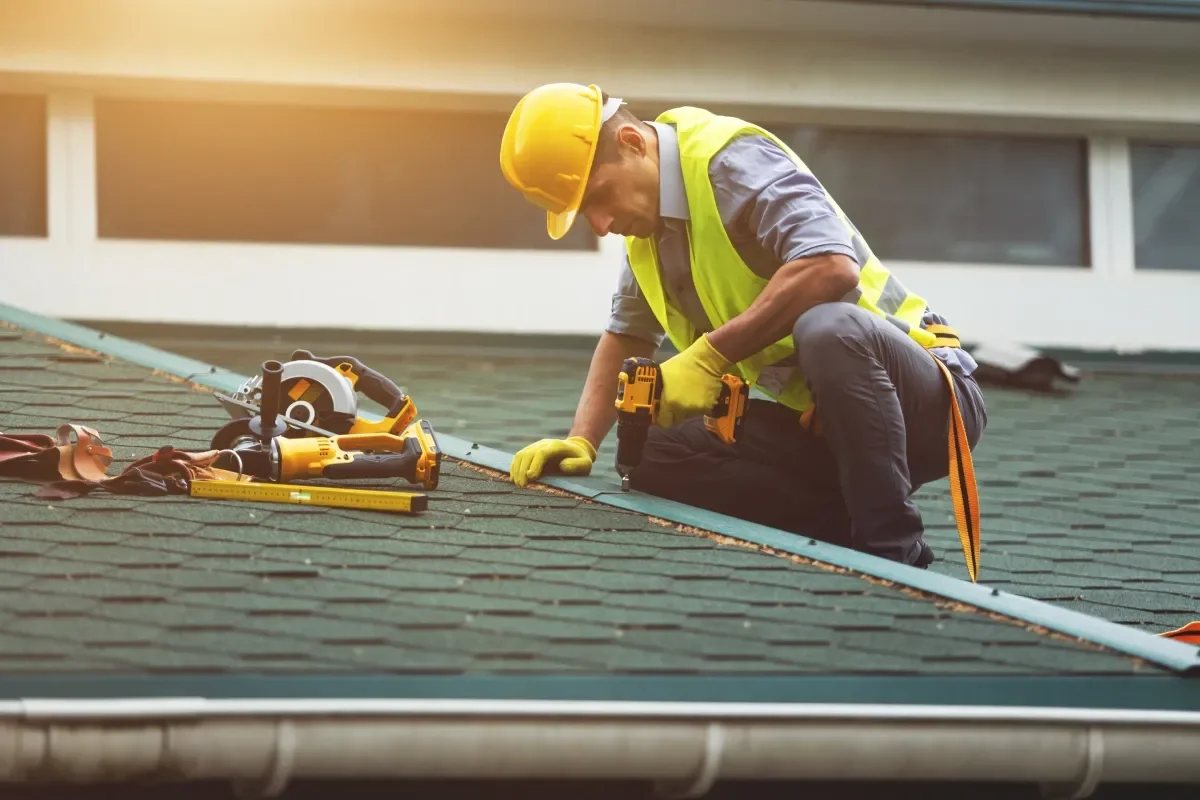
For any property owner, fitting a new commercial roof represents a significant investment. A roof that has been properly installed serves to protect the building, the equipment, the stock, and the interior areas from rain, heat, and all other weather conditions. Yet when selecting the appropriate roof it is not enough merely to choose a material; the building's structure, the drainage system, the standard of installation, the maintenance requirements, and the budget all have an impact on the decision.
Before beginning the project, property managers should take the time to understand the requirements of their building and compare the various options. If proper planning is carried out it will help in avoiding common problems and make it easier to select a roofing system that meets the needs of the property.
1. Assess the roofing requirements of the building
Since different types of commercial buildings have varying roofing requirements, the method of roofing needed for an office, a warehouse, a retail store, or an industrial facility will depend on the size, layout, and daily use of the building.
When deciding on a roofing system, you should take into account the size of the roof, its slope, drainage features, insulation, and any equipment on the roof. In the case of replacing an existing roof, it is also necessary to examine the present condition of the roof and to identify any underlying problems.
A professional inspection will enable you to find out what your building requires before installation starts.
2. Select the appropriate roofing material.
The type of roofing material you select can influence the durability of the roof, the amount of maintenance it will need, and its overall performance. The suitable choice will depend on the design of your building, the local weather conditions, and your budget.
Here are some common commercial roofing materials to consider:
- TPO roofing is usually applied to flat and low-slope roofs and has a reflective surface which can aid in heat management.
- EPDM roofing is a type of flexible rubber membrane that is used on a great many commercial buildings.
- PVC roofing is a type of roofing membrane which is resistant to moisture and to certain chemicals.
- Metal roofing is a strong choice for buildings that require a durable roofing system.
- Modified bitumen is a type of layered roofing material which is frequently used on flat and low-slope commercial roofs.
Talk with a roofing professional about these options to find out which material is most suitable for your property.
3. Take the local weather conditions into account.
The roofs used for commercial purposes have to cope with the weather conditions they experience all during the year; in North Texas, for example, the roofing materials can be affected by hot summers, heavy rain, hail, and strong winds.
When you are selecting a new roof, you should take into account how well the roofing system is suited to the local weather conditions and its ability to direct rainwater away from the building; it is just as important to ensure that the roof is correctly installed at its edges, along the seams, at the flashing, and around the openings for equipment.
A roofing system must be chosen in accordance with the particular requirements of the building rather than just going for the most popular one.
4. Select an experienced roofing contractor
Even well-quality roofing materials can have issues if they are not installed properly. For example, badly sealed joints, loose flashing, or insufficient drainage may cause leaks and other roofing problems.
By using a trustworthy commercial roofing installation company you will be able to find out what options are available to you and properly plan the project.
When you are hiring a contractor, find out about their experience in commercial roofing, their insurance coverage, safety procedures, and their past work. Ask for a written quote which details the materials to be used, the scope of the work, and the expected time frame. Doing so will make it easier to compare the different contractors and to understand the nature of the project.
5. Check the drainage and waterproofing.
For a roofing system to be good, it is necessary for it to have proper drainage so that rainwater does not accumulate on the surface; over time roofing problems may result from clogged drains, an inadequate drainage design, or the presence of standing water.
Make certain before installing that the plan includes provision for roof drains, gutters where they are required, flashing, and the openings surrounding rooftop equipment; waterproofing should also be taken into account depending on the roof material and the building's needs.
Focusing on these details can aid in reducing water-related issues and in ensuring that the roofing system functions as it was intended.
6. Establish a realistic budget.
The amount it costs for a commercial roofing job will vary according to things like the size of the roof, the type of material chosen, any existing damage, the presence of insulation, and how complicated the installation is.
When you're comparing the estimates, it's not enough to look only at the lowest price; you should check that the quote covers the removal of the existing roofing materials, the disposal of the debris, any necessary repairs, and the completion of the final inspection.
When looking at different roofing options, one should also take the future cost of maintenance into account. If property managers have a clear budget, they will be able to plan the project and anticipate any extra work that might come up.
7. Plan your activities around the daily business tasks.
The fitting of the roof may have an impact on the employees, tenants, customers, deliveries, and access to some parts of the building. It is important to talk to your contractor about the work schedule before the project starts.
Find out how the work area will be managed, what safety measures will be taken, and if any areas require temporary access restrictions. If you plan these details in advance, you can help minimise the disruption to normal business operations.
The schedule for the installation should also consider the weather conditions and the building's particular requirements.
8. Understand the requirements relating to maintenance and warranty
A commercial roof that has just been installed still requires routine maintenance. By examining the roof surface, the flashing, the seams, and the drainage areas, you can detect any developing problems before they become more serious.
Before you approve the project, find out what the warranty coverage is, what maintenance is recommended and any conditions that apply. Store copies of the contract, the warranty documents and the inspection reports for future reference.
If property owners know how to look after the roof after it has been installed, they will be able to deal with any problems as soon as they arise and plan their future maintenance more effectively.
Key Takeaways
- Before deciding on the materials, evaluate your building's roofing requirements.
- Take account of the local weather conditions and ensure proper drainage.
- Evaluate the contractors according to their experience, safety record, and the written estimates they provide.
- Arrange the installation work so as not to disturb business operations.
- Have a look at the warranty terms and the requirements for continued maintenance.
Frequently Asked Questions
1. What is the very first step in the process of installing a commercial roof?
Begin by examining the building and the state of its current roof; a professional inspection can then be carried out to find out which materials and methods of installation are appropriate.
2. What is the best roofing material to use for commercial buildings?
There isn't a single material that is best for every type of building; TPO, EPDM, PVC, metal, and modified bitumen could all be appropriate, the choice depending on the roof design, the budget, and the requirements of the property.
3. How can I select a trustworthy commercial roofing contractor?
Check that they have relevant experience, the appropriate insurance, clear estimates, good safety procedures, and that they are familiar with the kind of roofing system you have. Don't agree to the work until you've asked questions.
4. Is it necessary to carry out maintenance on a new commercial roof?
Yes, carrying out regular inspections and making timely repairs enables leaks, drainage problems, and signs of wear to be detected before they cause more serious damage.
Conclusion
Careful planning is needed when fitting a new commercial roof. Whether it's selecting the appropriate material, checking the drainage, or finding a qualified contractor, each choice can have an effect on the roof's performance. If you take these factors into account beforehand, you'll be able to choose a system that fits both your building and your budget.
Should you wish to carry out a commercial roofing project, you should get in touch with 911 Commercial Roofing by calling 972-900-5087 to talk over your requirements and have a professional inspection carried out. Seeking guidance from a skilled roofing professional will enable you to become aware of your options and allow you to select the appropriate solution for your property.