Sign up with Google
 Sign in with Zoho

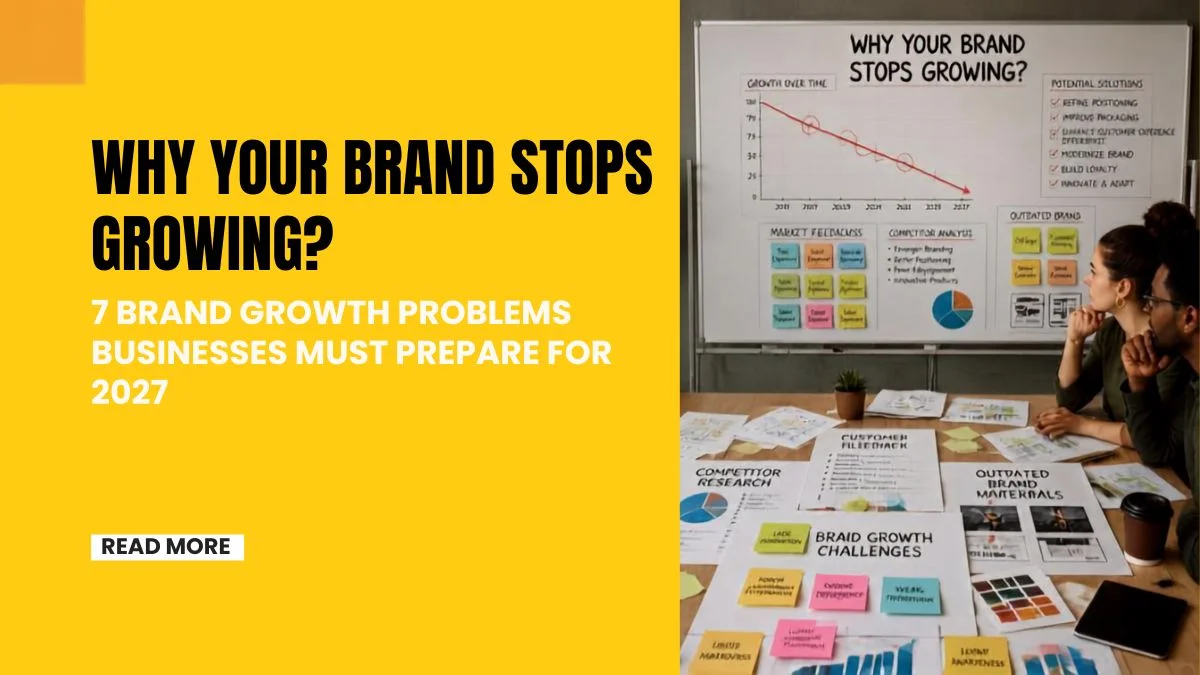
Here are 7 brand growth problems we think businesses should get ahead of before 2027:
1. Your Brand Is Trusted, but No Longer Relevant
Trust used to be what every brand chased, and it still matters. But Edelman’s 2026 special report suggests it doesn’t take you far on its own. Among consumers who neither trust a brand nor find it relevant, only 36% were comfortable with it selling to people unlike themselves. Where both were present, that rose to 71%. Relevance is what lets a brand step into a new segment, a higher price point or another city without raising eyebrows.
You can usually spot this one early. Your regulars still like you, but younger buyers or bigger clients don’t seem to put you on their list at all. Royal Enfield is a good one to study. It spent years shifting from a heavy, slightly old-school motorcycle to something urban riders wanted to be seen on, and that came as much from story, gear and rider community as from the bikes. Relevance has to be built deliberately, then topped up as your audience moves.
2. Your Brand Sounds Different Everywhere
Ask five people in your company what your brand does. If you get five answers, your customers are getting five brands.
Lucidpress research connects consistent presentation across platforms with a 10-20% revenue lift, though that comes from brand professionals estimating their own results, so take it as a signal and nothing more. The cost you can actually see is the effort a prospect spends figuring out who you are. Plenty won’t bother.
A healthcare technology client hit exactly this when they rebranded with us at 30TH FEB. Once the audit and strategy work was done, their marketing head told us the brand finally sounded like one company and felt far more cohesive. A style guide on its own won’t get you there. Teams have to use it every day, in decks, posts and proposals.
3. You’re Invisible Where Buyers Now Decide
Gartner predicted that traditional search engine volume would drop 25% by 2026 as people moved to AI chatbots and virtual agents. It hasn’t dropped by that much, and Google is still where most searching happens. But look at how people behave now. A growing share of buying decisions gets shaped by AI-generated answers before the buyer ever reaches your website.
Those tools favour brands they can describe in a sentence. A clear positioning helps. So does the same story told consistently across the web, and so do mentions from places other than your own site. A fuzzy brand is easy to leave out.
4. Your Claims Aren’t Backed by Proof
Edelman found that 88% of consumers say trusting a brand is an important or critical purchase criterion, right alongside quality. Among the more guarded consumers in the survey, voices counted for five times as much as paid brand messaging. That’s awkward for a lot of websites, which are full of words like “leading”, “trusted” and “customer-first” and short on anything a stranger can check. Reviews, customer testimonials, case studies and real numbers do the job those adjectives can’t.
Maggi after the 2015 ban is a useful reminder. Trust came back through reassurance and people’s own experience of the product. No clever line did it.
5. You Look and Sound Like Everyone Else
Open five competitor websites in five tabs and read just the headlines. Could you shuffle them without anyone noticing? Then price is the only lever you have left, and that’s a miserable place to compete from.
Years of brand research point the same way. Brands that are meaningfully different tend to grow faster, command higher prices and build more long-term value. CRED is a good case. Most fintech apps looked alike, so it went for a premium, distinctive look and stuck with it.
A growing business needs a brand that can grow with it. This guide explores 7 brand growth problems that can hold businesses back, from inconsistent messaging and declining relevance to weak differentiation and outdated brand strategy. It also explains how a brand audit can help identify the gaps before they start affecting enquiries, sales conversations and customer perception. See more:https://www.30thfeb.com/why-your-brand-stop-growing-7-brand-growth-problems-businesses-must-prepare-for-2027/








.webp)