Sign up with Google
 Sign in with Zoho
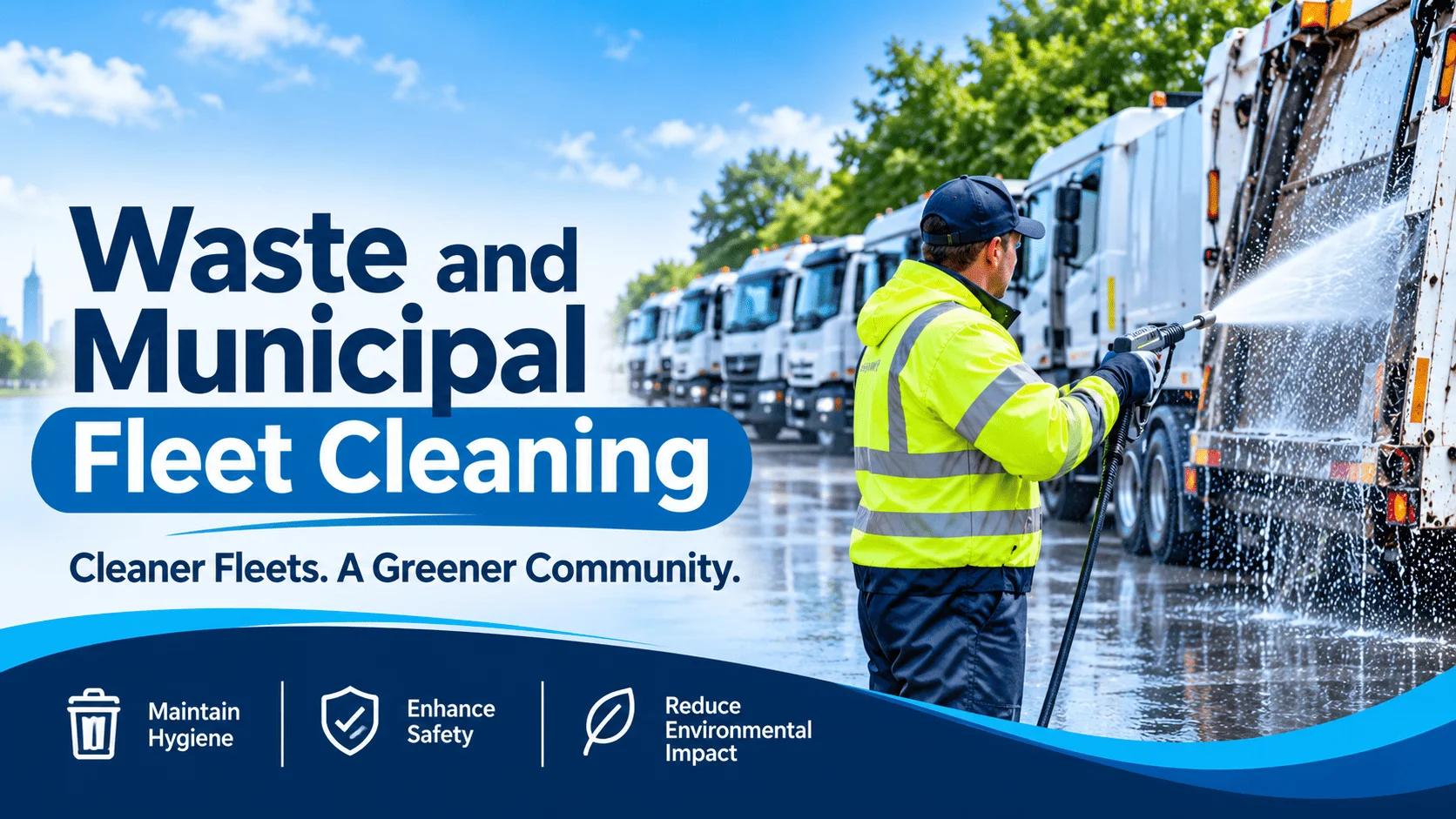
Councils in England collected 25.2 million tonnes of waste in 2024/25, according to Defra's latest figures. Almost 22 million tonnes of it came from households. Much of it was lifted, compacted and carried by a refuse collection vehicle before it reached a transfer station, a recycling plant or an energy-from-waste site.
That's a lot of work for one type of vehicle. And since 31 March 2026, the job has changed again.
Simpler Recycling has changed what bin lorries carry
Under the Simpler Recycling rules, waste collectors in England must now collect food and garden waste, paper and card, other dry recyclables, and residual waste separately from households. Councils are also rolling out weekly food waste collections for every home, backed by £340 million of government support for the transition.
For fleet managers, that means more vehicles doing more specialised rounds. Food waste is the hardest of all on a vehicle. It's wet, it smells within hours, and the liquid it leaves behind finds its way into seals, hoppers and chassis rails. A food waste vehicle washed on the same schedule as a dry recycling vehicle will start causing problems quickly.
Where waste fleets get dirtiest
A refuse collection vehicle isn't dirty in the same way as a delivery lorry. The muck builds up in places a quick exterior wash never reaches:
- The hopper and compaction area, where waste is crushed and liquids collect.
- The bin lift, which handles every bin on the round and picks up spillage, grease and food residue.
- The chassis and underbody, where leachate drips and mixes with road grime and salt.
- The body seals and tailgate, which leak and smell if residue is left to harden.
Left alone, that build-up does more than look bad. It attracts flies and vermin to the depot, makes crews' working conditions worse, and gets in the way of the people who have to inspect and repair the vehicle.
Dirty vehicles fail their checks
Most RCVs are heavy goods vehicles, so they go through DVSA's annual test. In 2025/26 DVSA carried out 452,606 HGV annual tests, and around 1 in 10 failed first time. GOV.UK is clear that a vehicle has to be clean enough to inspect. If it isn't, the test is cancelled and the operator pays again.
For a council fleet working to tight rounds, a cancelled test means a vehicle off the road, a borrowed or hired replacement, and a rebooked slot. A proper pre-MOT clean of the chassis, axles, brakes and steering costs far less than any of that.
The wash water problem at the depot
Washing a refuse vehicle produces some of the dirtiest water a depot will ever deal with: food residue, leachate, oil, grease and detergent. GOV.UK's pollution guidance says water like this must not go into a surface water drain, and it can only go to the foul sewer with the water company's permission. Oil separators don't work properly when detergent is in the water.
Many depots were never built with a compliant wash bay. That's one reason more councils and waste contractors bring cleaning teams to the depot instead, with equipment that captures the wash water and takes it away.
What a good waste fleet cleaning plan looks like
There's no single schedule that fits every fleet, but most well-run waste and municipal fleets combine four things:
- A weekly wash of the exterior, wheels, arches and a chassis rinse, so build-up never gets a hold.
- A deep clean before every MOT and service, focused on the chassis, suspension, brakes, steering and hydraulics.
- Hopper dig-outs and deep cleans when compacted waste builds up inside the body.
- Out-of-hours working, so cleaning happens when vehicles are parked, not when they should be on their rounds.
The same plan should cover the rest of the municipal fleet, too: road sweepers, gully emptiers, tippers and gritters all carry their own kind of muck. Specialist waste and municipal fleet cleaning teams build the schedule around collection rounds, rather than asking the fleet to fit around them.
Five questions to ask before you hire a cleaning contractor
- Are you registered as a waste carrier, so you can legally take the wash water away?
- Can you capture and remove wash water at our depot, or do you need our drains?
- Do you work evenings, nights and weekends?
- Will you provide risk assessments and method statements before you start?
- Can you clean the whole fleet, not just the RCVs?
A contractor offering a full range of fleet cleaning services should be able to say yes to all five.
The bottom line
Council and waste fleets carry some of the heaviest, wettest and smelliest loads on UK roads, and Simpler Recycling has added more of them. A cleaning plan built for that work keeps vehicles passing their tests, keeps depots within the rules on wash water, and keeps crews working in conditions they can put up with.
Guest post ends here.
Author bio: 247 Mobile Fleet Wash is a UK mobile fleet cleaning company working with councils, waste contractors and industrial operators, including Barnsley Council and SUEZ. Its teams clean refuse vehicles, sweepers, plant and HGVs on site, with wash water captured and removed. Find out more at 247mobilefleetwash.co.uk.